African American Civil Rights
The 20th Century Civil Rights Tour consists of historic sites in the District of Columbia that tell the stories of individuals, groups, and institutions associated with the struggle for African American civil rights. As the nation’s capital, Washington was the site of seminal civil rights events and was home to people who played pivotal roles in both the national civil rights movement and in local campaigns for racial equality.
The 20th Century African American Civil Rights Tour is currently populated with 100 historic sites, but will be updated and enhanced as new information and resources become available. The majority of these sites still stand, but for those no longer extant, the name is followed by (site).
The Tour has been developed by the DC Office of Planning/Historic Preservation Office (HPO) with grant funds provided by the Department of the Interior, National Park Service, African American Civil Rights Grant program. The views and conclusions contained in this document are those of the authors and should not be interpreted as representing the opinions or policies of the Department of the Interior or U.S. Government. Mention of trade names or commercial products does not constitute endorsement by the U.S. Government.
Research and writing by Prologue DC.
Sites 109
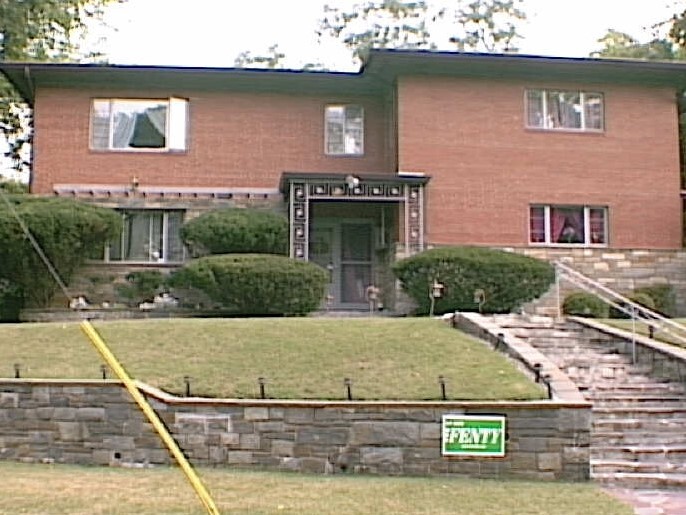
Civil Rights Tour: Raphael G. Urciolo Residence: 4215 Argyle Terrace NW
“I would prefer to sell to the colored man because he has a so much harder time getting a house.”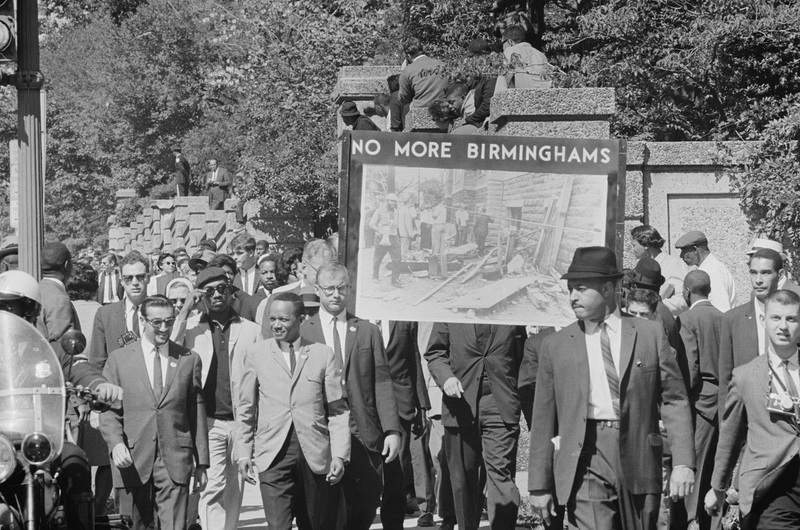
Civil Rights Tour: Civic Activism - All Souls Unitarian: 1500 Harvard Street NW
All Souls Church—one of the few places in the city where mixed-race groups could meet—would emerge during the 1940s and 50s as an important center of the Civil Rights Movement in DC.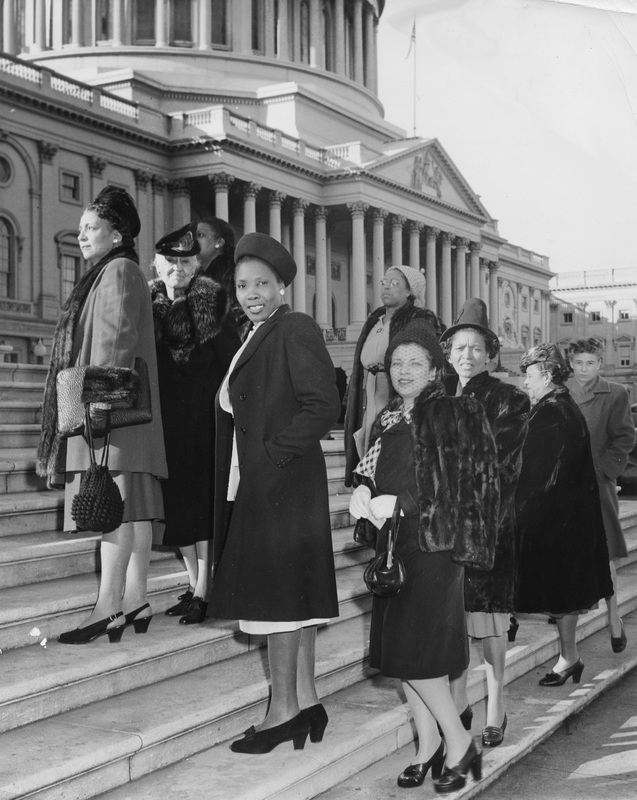
Civil Rights Tour: Civic Activism - Dorothy Ferebee, Access for All: 1809 2nd Street NW
On her way to becoming a nationally renowned public health and civil rights activist in the 1940s, Dorothy Boulding Ferebee (1898-1980) moved to DC in 1925 for an internship at Howard University's…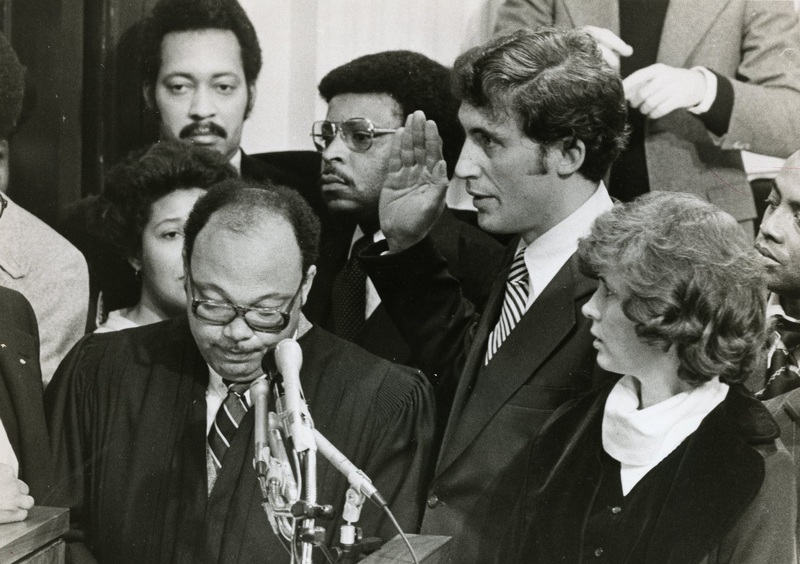
Civil Rights Tour: Civic Activism - David A. Clarke, Legislating for Social Justice: 3320 17th Street NW
"…the injustice the civil rights movement was fighting against was the same injustice that was denying my city and me home rule."(David Clarke, Washington Post, Aug. 31, 1990)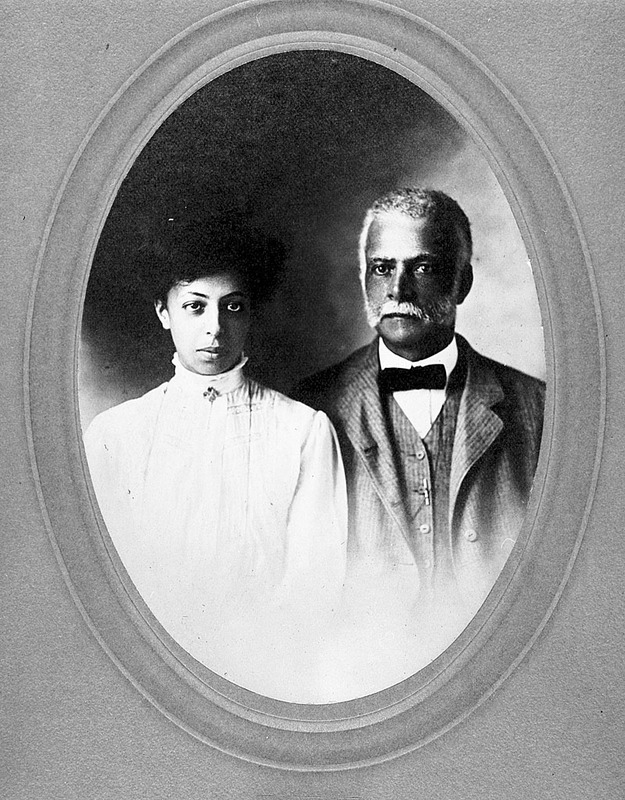
Civil Rights Tour: Civic Activism - The Grimkés, An Activist Family: 1415 Corcoran Street NW (Site)
“He was a radical among the radicals ... It is only the gentleman and the scholar who can be a radical and an agitator without being a nuisance.”
Civil Rights Site: Civic Activism - Hecht's Department Store: 575 7th Street NW
Ask older Black Washingtonians about Hecht's and they may recount that their mothers weren’t allowed to try on clothes, or that only white customers could dine at the store's basement lunch counter.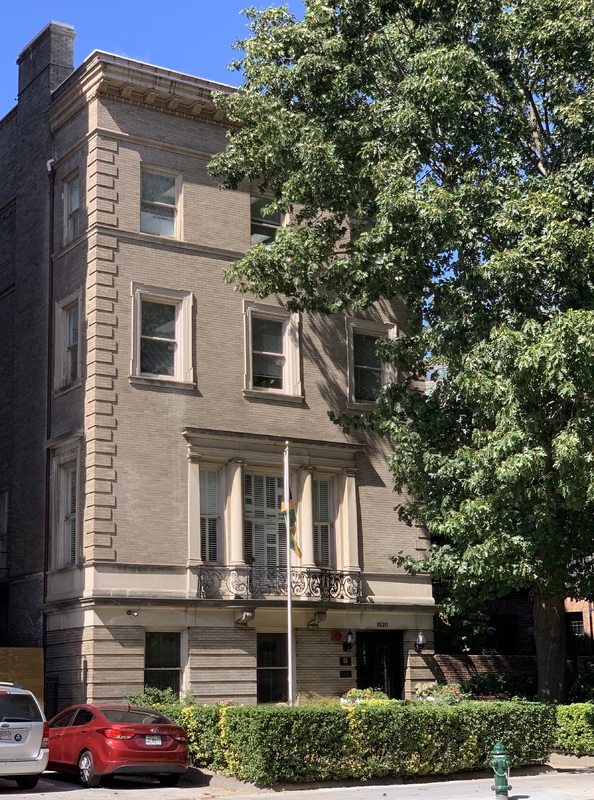
Civil Rights Tour: Civic Activism - IPS, Home for Radicals: 1520 New Hampshire Avenue NW
Shortly after it was first established in 1963 as a left-leaning think tank directed by two former Kennedy administration staffers, Marcus Raskin and Richard Barnet, the Institute for Policy Studies…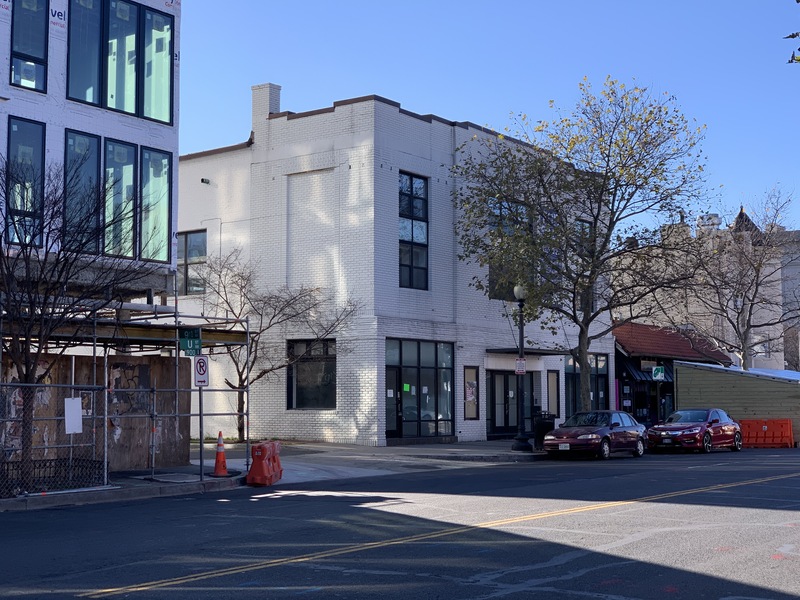
Civil Rights Tour: Civic Activism: Murray Brothers and the Black Press: 918-922 U Street NW
Murray Brothers Printing Company opened in 1907, at the height of an era when Black businesses proliferated in DC. In 1920, the Murrays built this building at 918-922 U Street, moving their business to the heart of the city's African American community.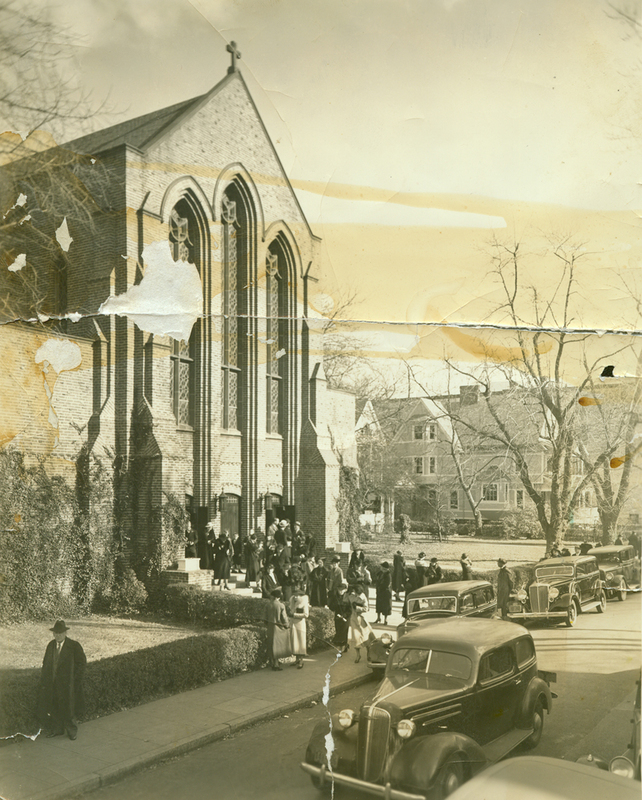
Civil Rights Tour: Civic Activism - St. Stephen's Church, Demanding Racial Justice: 1525 Newton Street NW
Built in the 1920s to serve white residents of Columbia Heights and Mount Pleasant, St. Stephen and the Incarnation Episcopal Church in 1957 became the first church of the Washington Episcopal Diocese…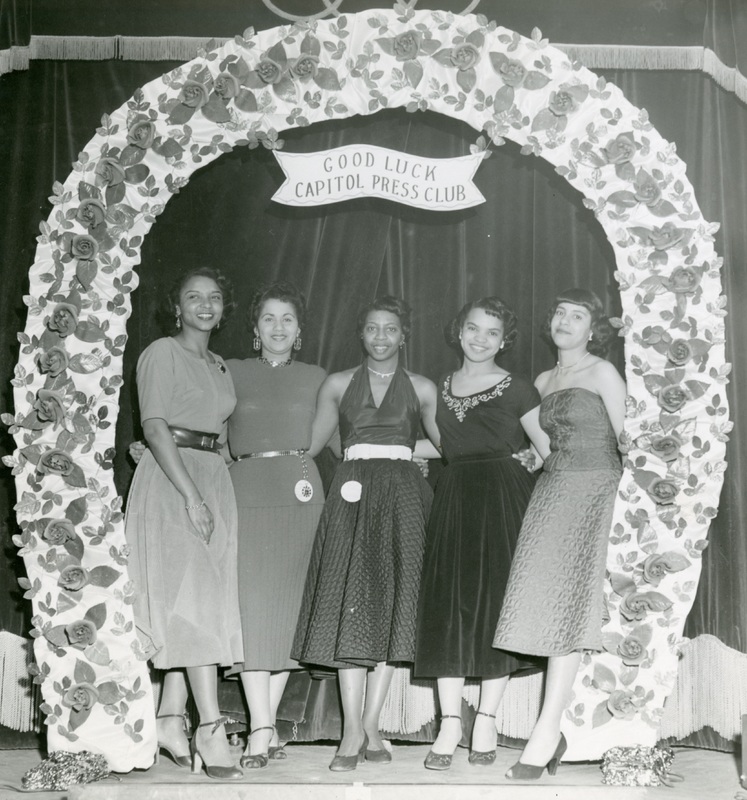
Civil Rights Tour: Civic Activism - Ethel Payne, Washington Correspondent: 6101 16th Street NW
"I stick to my firm, unshakeable belief that the black press is an advocacy press, and that I, as a part of that press, can't afford the luxury of being unbiased."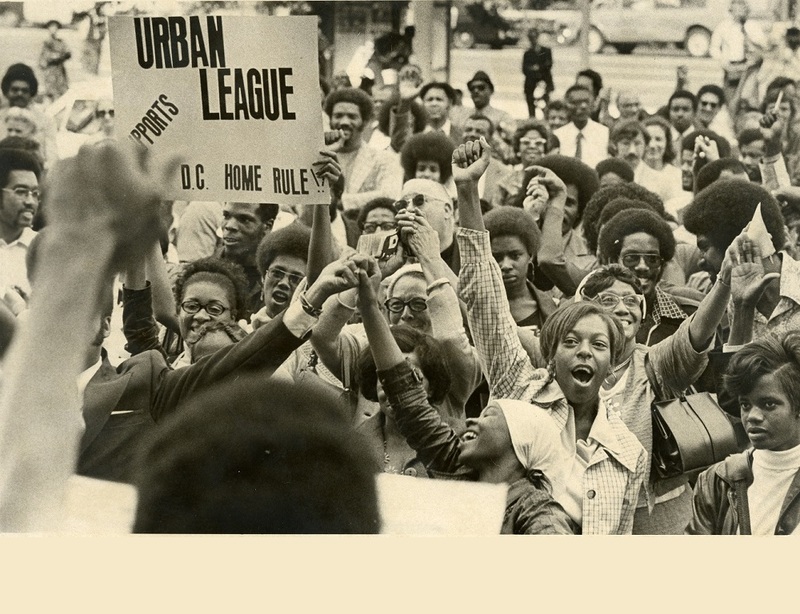
Civil Rights Tour: Civic Activism - Greater Washington Urban League: 3501 14th Street NW
The Washington Urban League was established in 1939 as the DC branch of the National Urban League, a national, non-profit organization whose main objective was the development of job opportunities for African Americans.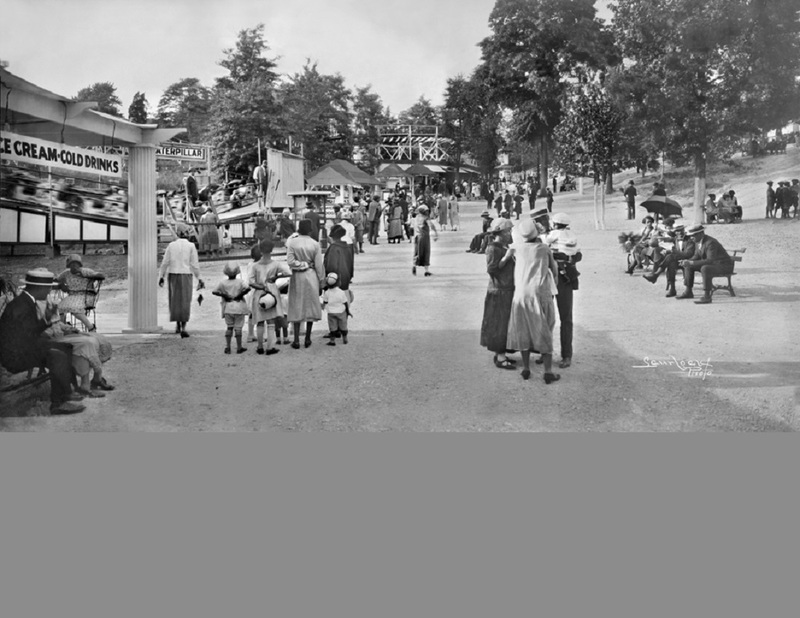
Civil Rights Tour: Civic Activism - Howard Woodson, Advocate for Northeast: 4918 Fitch Place NE
Howard Dilworth Woodson, a civil engineer and civic leader, led successful campaigns for better services in neglected African American neighborhoods in far Northeast DC. Born in Pittsburgh, Woodson…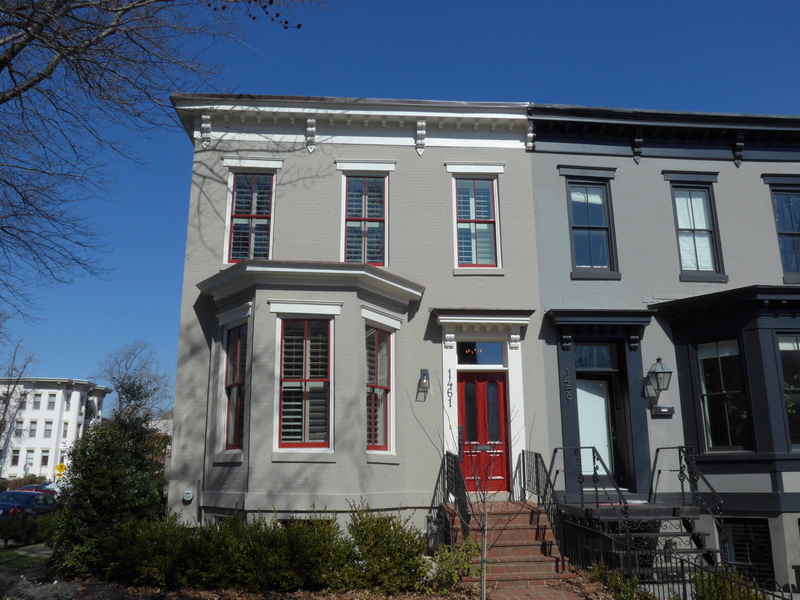
Civil Rights Tour: Civic and Social Life - Georgia Douglas Johnson's "Halfway House": 1461 S Street NW
“… heavy, heavy is the load That bends my body to the road.” (Georgia Douglas Johnson, The Ordeal)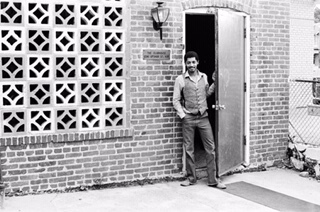
Civil Rights Site: Civic and Social Life - The Clubhouse: 1296 Upshur Street NW As AIDS became an epidemic in the early 1980s, the ClubHouse became a center for activism by LGBTQ racial minorities.
The ClubHouse (also known as the Clubhouse and the Club House), constructed in phases between 1930 and 1945, served as an automobile garage and showroom before becoming DC’s top African American dance…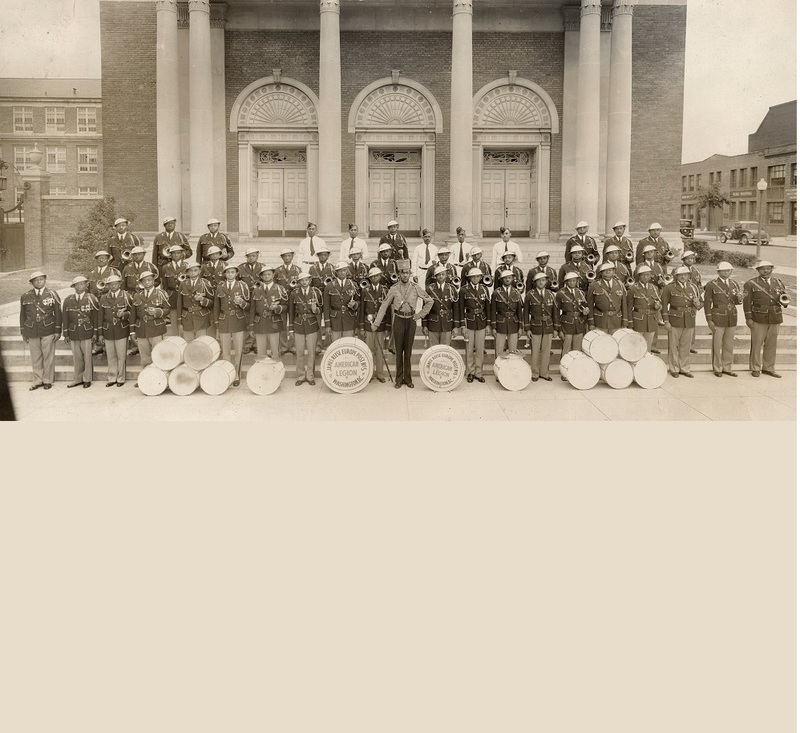
Civil Rights Tour: Civic and Social Life - James Reese Europe Post 5: 2027 North Capitol Street NE
In mid-June 1919, a group of Navy Yard employees, all veterans of World War I, gathered during their lunch break and formed an all-Black unit of a newly established organization, the American Legion, which, like the US military, was segregated.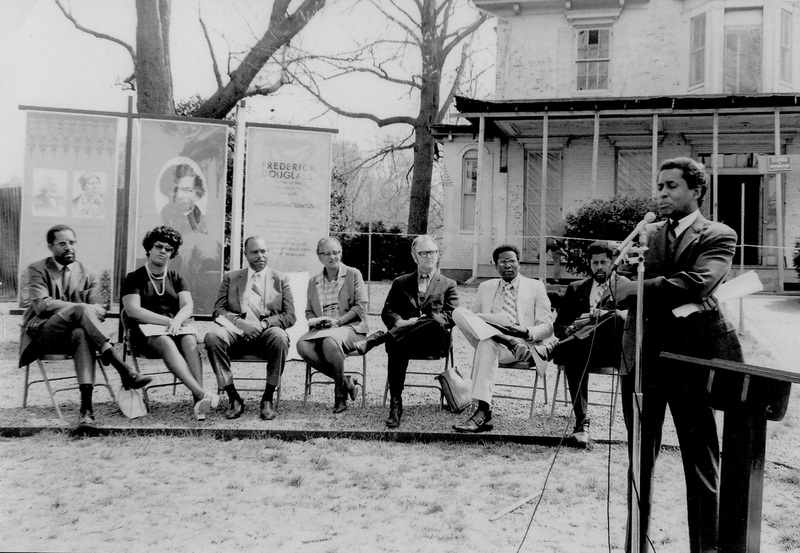
Civil Rights Tour: Education - Afro-American Institute: 1236 Euclid Street NW
"The history we were taught in school always came from a Eurocentric perspective. But the presence of blacks in American history is very significant…. And we have every right to protest, advocate and claim that which belongs to us."(Vincent DeForest, Washington Post, 1989)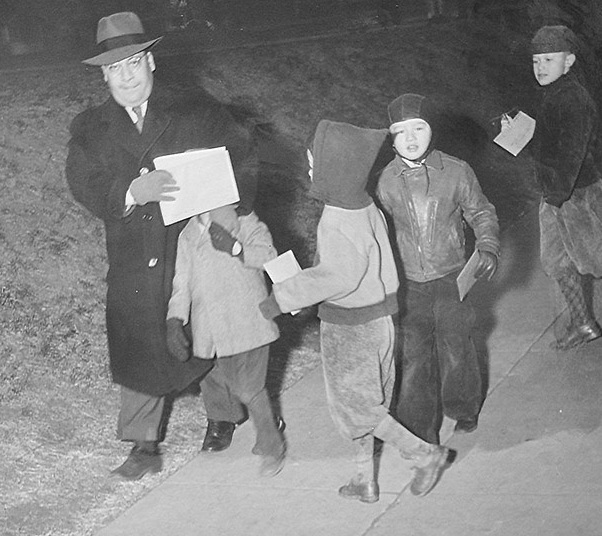
Civil Rights Tour: Education - John P. Davis and Equal Education Now!: 3115 14th Street NE
In February 1944 former National Negro Congress leader John P. Davis attempted to enroll his five-year-old son Michael at Noyes Elementary School in his Brookland neighborhood and was turned away.…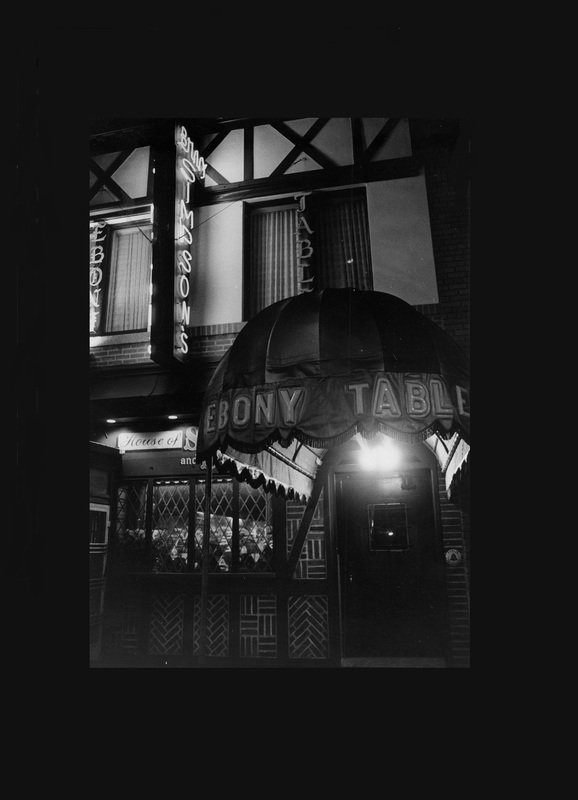
Civil Rights Tour: Civic and Social Life - Billy Simpson and the Ebony Table: 3813 Georgia Avenue NW
“Hardly anything of significance to Washington – and most particularly to black Washington – came to fruition without Billy Simpson’s significant – albeit non-public – role in it.”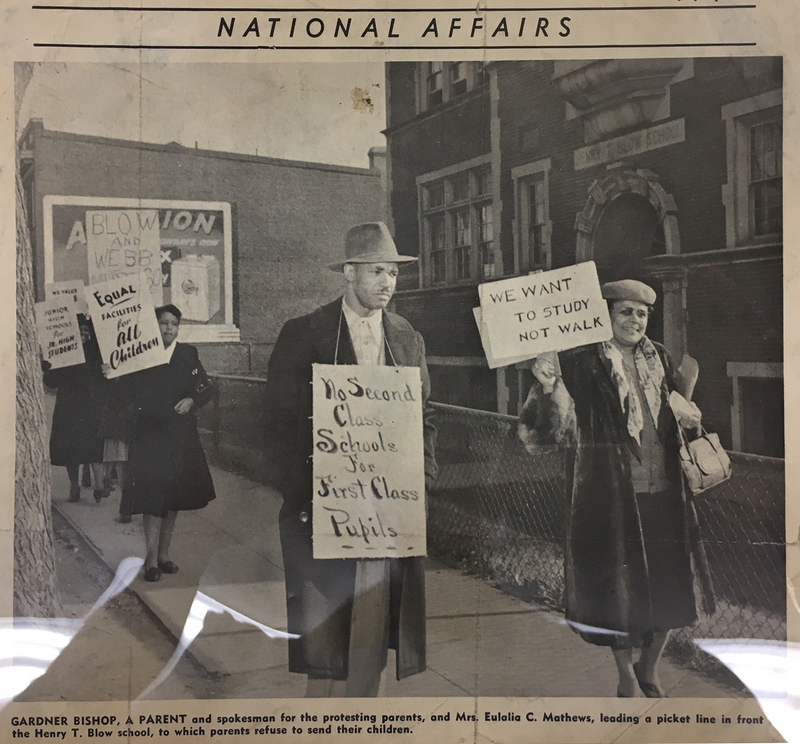
Civil Rights Tour: Education - Gardner Bishop, Barber and Activist: 1900 15th Street NW
For 40 years, the three-story building at 1900 15th Street NW housed B & D Barber Shop on the ground floor. The business was owned by Gardner LaClede Bishop (1909–1992), a leader in the mid-20th century battle to equalize and desegregate DC’s public schools.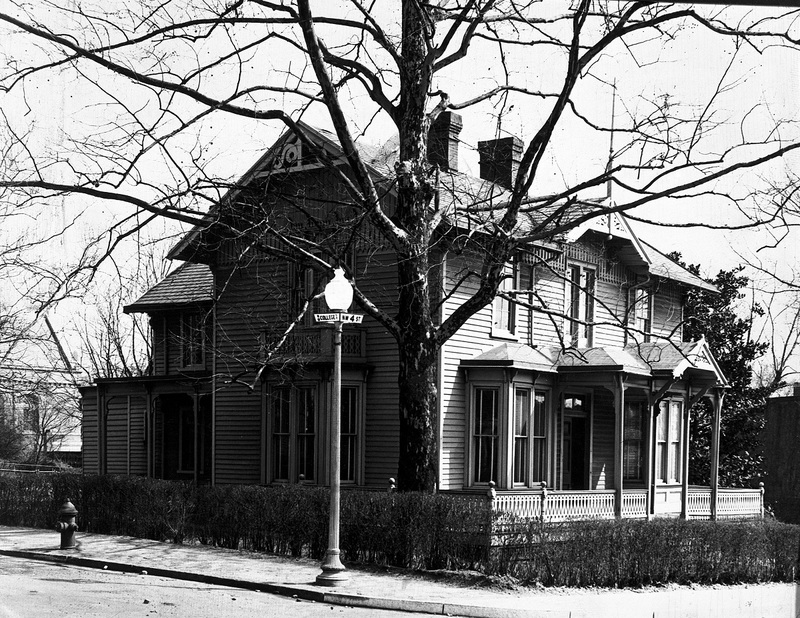
Civil Rights Tour: Education - "Kelly Miller Says": 2225 4th Street NW (Site)
In 1895, Kelly Miller, a prominent intellectual, author and faculty member at Howard University, convinced the university to add to its curriculum the new discipline of sociology. Sociologists, Miller argued, could objectively analyze the wrongs of the American racial system and thus aid the battle for civil rights.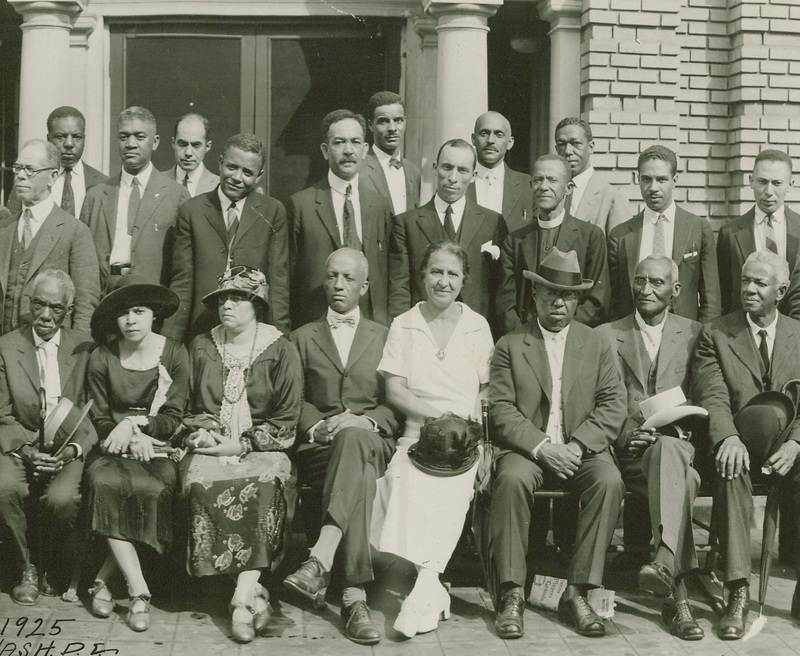
Civil Rights Tour: Education - Carter G. Woodson, Father of Black History: 1538 9th Street NW
"If a race has no history, it has no worth-while tradition, it becomes a negligible factor in the thought of the world, and it stands in danger of being exterminated…"(Carter G. Woodson, 1926)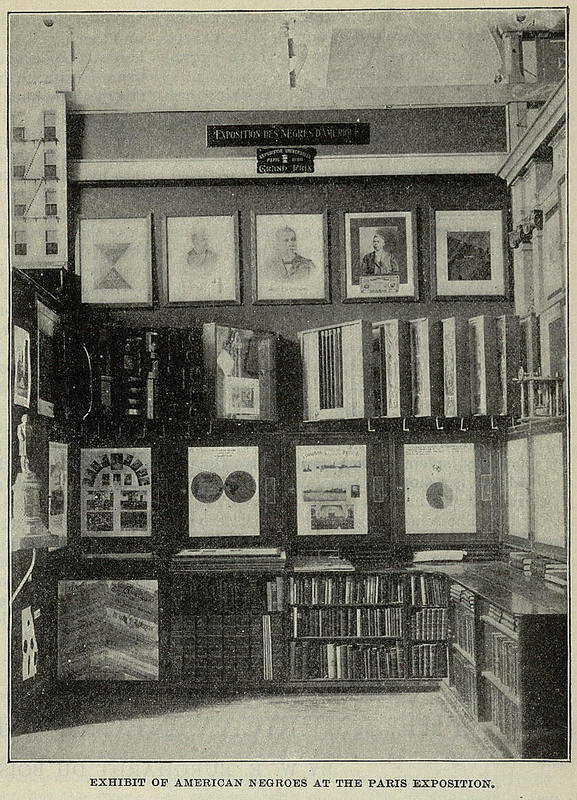
Civil Rights Tour: Education - Daniel A. P. Murray, Librarian: 934 S Street NW
As assistant librarian at the Library of Congress, Daniel Alexander Payne Murray (1852-1925), created the authors and literature exhibit for W.E.B. Du Bois’s seminal exhibition on African Americans at…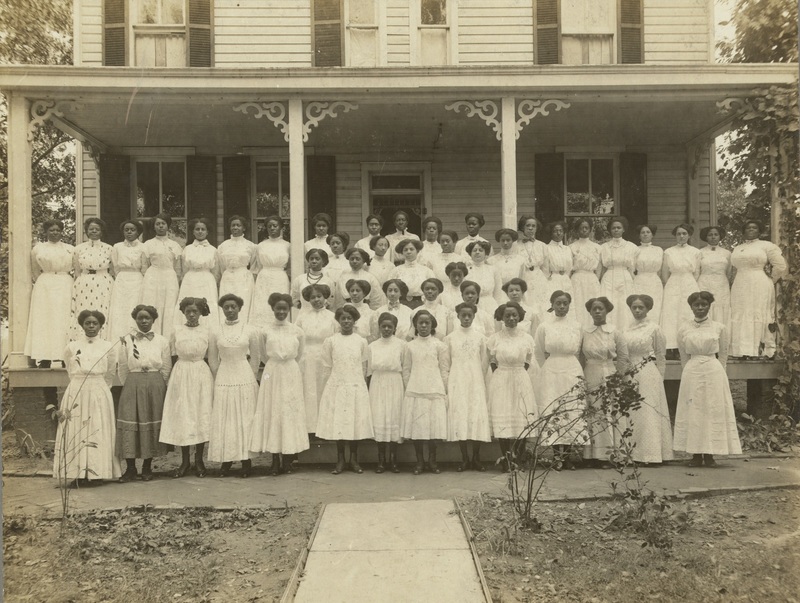
Civil Rights Tour: Education - Nannie Helen Burroughs: 601 50th Street NE
“Work. Support thyself. To thine own powers appeal.” (Motto of the National Training School for Women and Girls)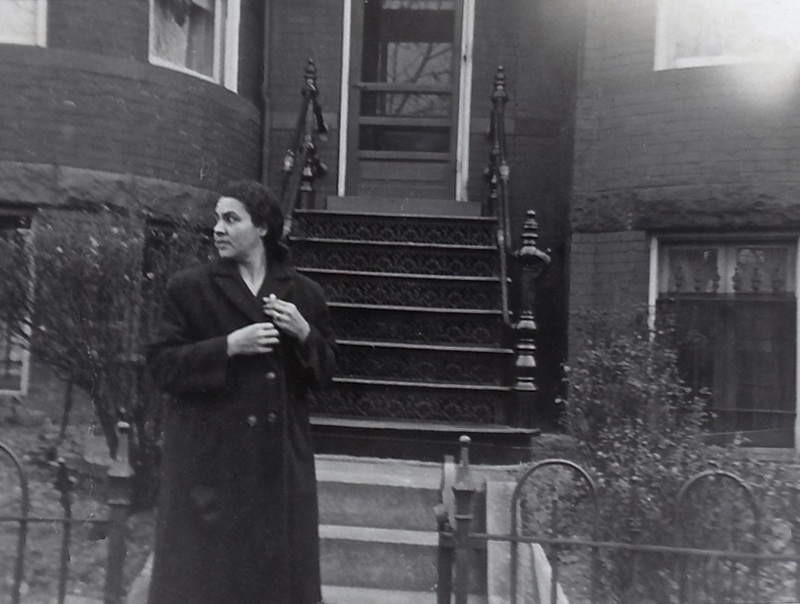
Civil Rights Tour: Education - Louise Burrell Miller and Deaf Education: 1204 T Street NW
In 1952, Louise Burrell Miller and others sued the DC Board of Education to have deaf African American children educated within the District and won. Schools in DC were segregated by law, including…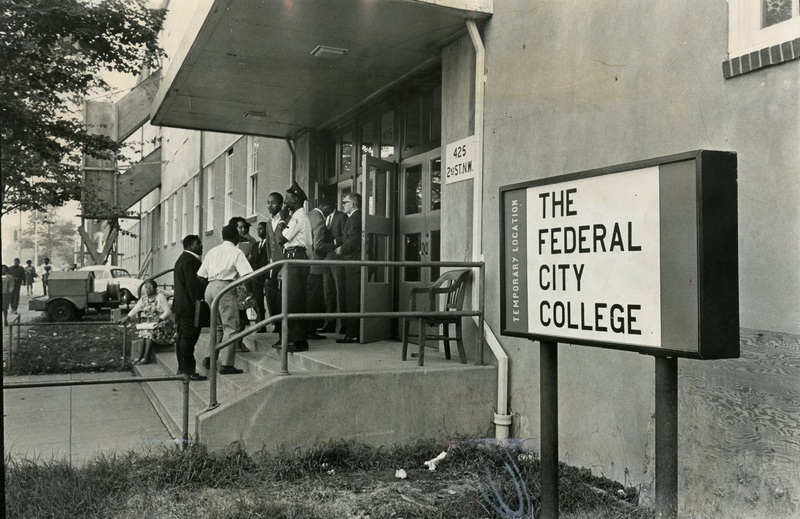
Civil Rights Tour: Education - Federal City College, Education is Power: 425 2nd Street NW
Originally the headquarters of the Securities and Exchange Commission, this 1949 building at 425 2nd Street NW became home to the nation's first urban land grant school when Federal City College (FCC)…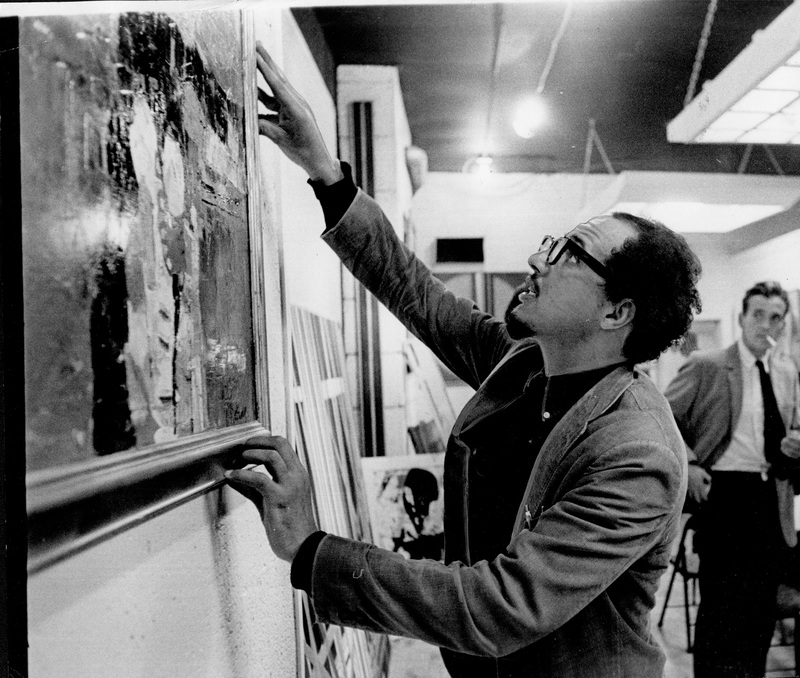
Civil Rights Tour: Education - New School of Afro-American Thought: 2208 14th Street NW
In 1966, poet Gaston Neal—described as "one of the most epic voices to ever grace the District" and Howard University student activist "Baba" Don Freeman co-founded the New School of Afro-American Thought.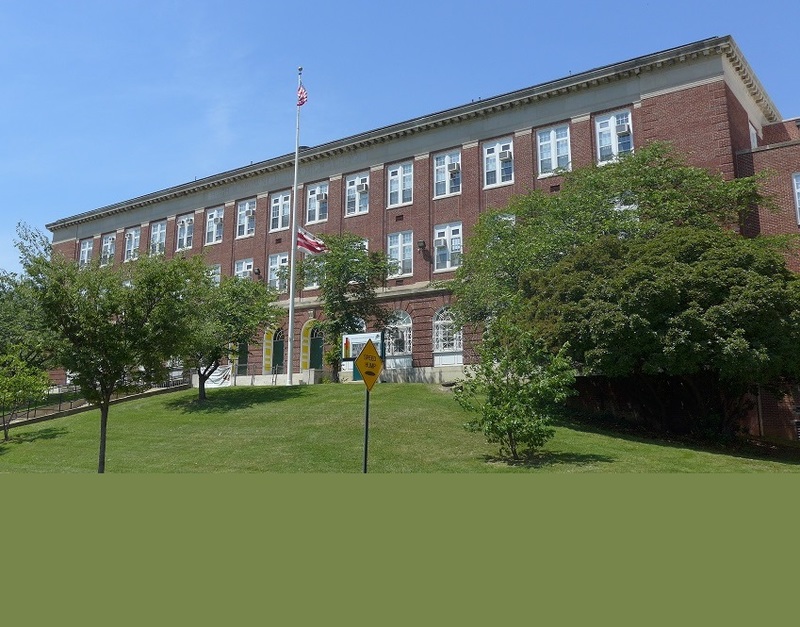
Civil Rights Tour: Education - Browne Junior High, the Fight for School Desegregation: 850 26th Street NE
Marguerite Daisy Carr was only 13 years old in 1947 when she found herself at the center of a legal battle over equal education.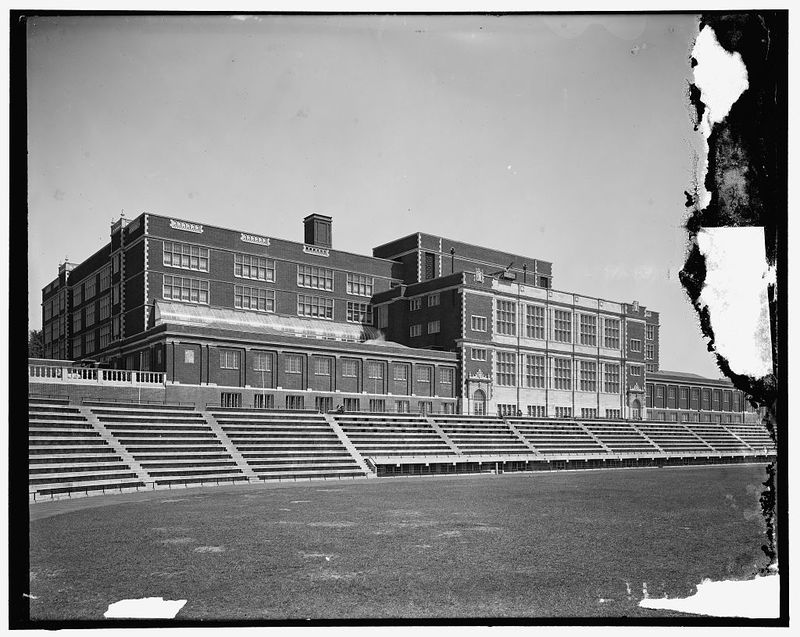
Civil Rights Tour: Education - Central for Cardozo: 1200 Clifton Street NW
When the building that houses Cardozo High School was first constructed in 1914-1916, it was called Central High School and for the next thirty-five years was open to white students only. Then in 1950…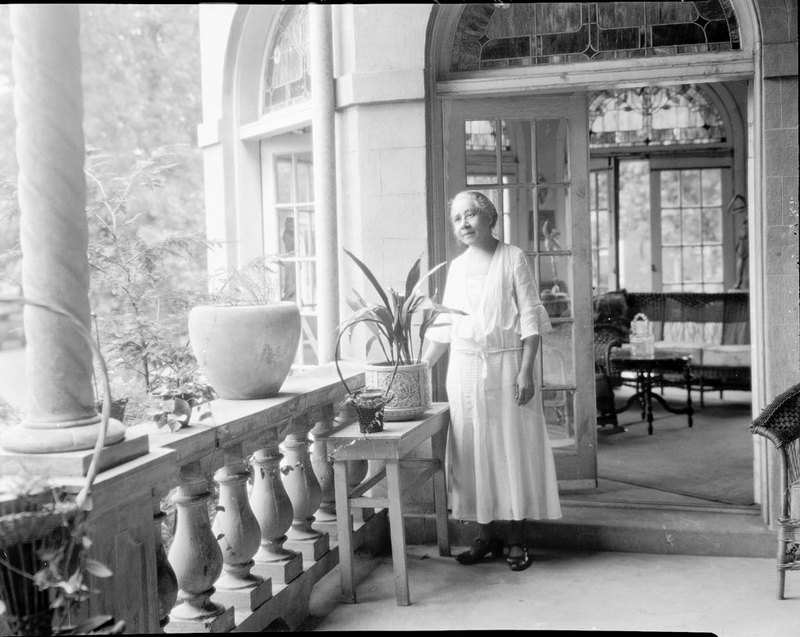
Civil Rights Tour: Education - Anna J. Cooper, Trailblazing Educator: 201 T Street NW
“The cause of freedom is not the cause of a race or a sect, a party or a class―it is the cause of humankind, the very birthright of humanity.”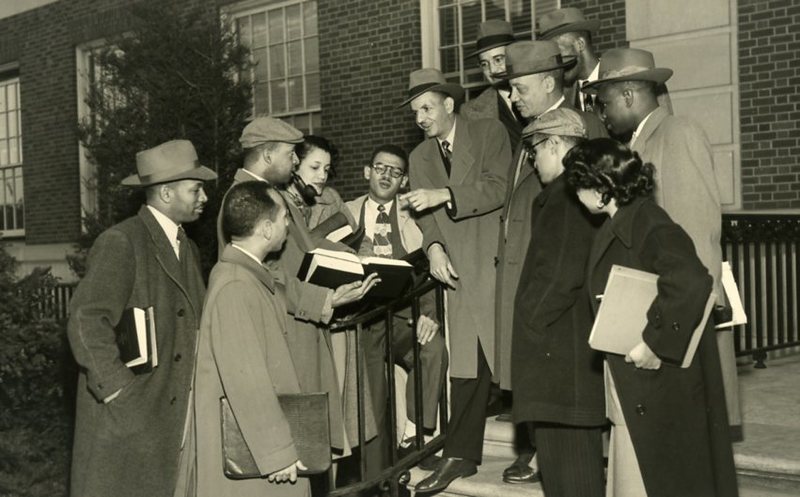
Civil Rights Tour: Education - Howard University Law School: 2900 Van Ness Street NW
"Our training included not only learning the law and how to think on our feet but also how to conduct ourselves in hostile situations. . . . Bound together by an overriding passion, we were a tiny band of fighters trying to establish defensible positions from which to launch a massive attack upon the entire system of legally enforced segregation."(Pauli Murray, Song in a Weary Throat, 1987)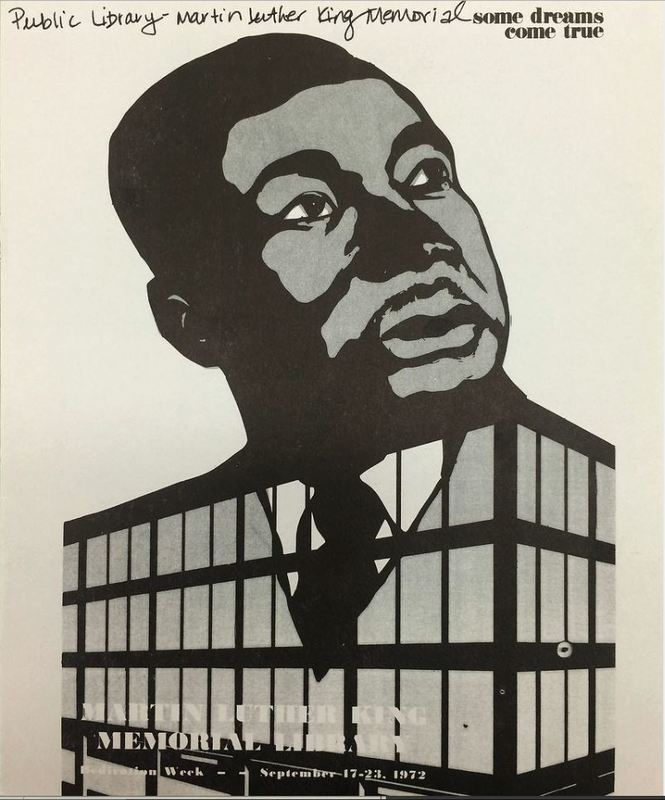
Civil Rights Tour: Education - MLK Library, A Living Memorial: 901 G Street NW
". . . public libraries can no longer afford to have a policy of business as usual . . . . knowledge has always been recognized as a form of social power." (Hardy Franklin, D.C. Central Public Library Director, July 1976)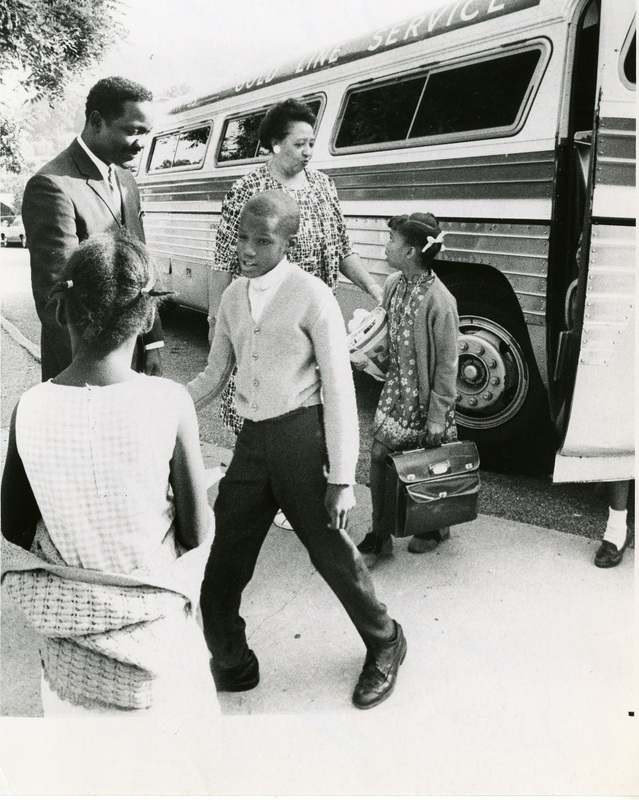
Civil Rights Tour: Education - Meyer Elementary School, Experiment in Busing: 2501 11th Street NW
For a few years beginning in September 1968, Eugene Meyer Elementary School on 11th Street in the Columbia Heights neighborhood was party to a little-known partnership with Bannockburn Elementary in…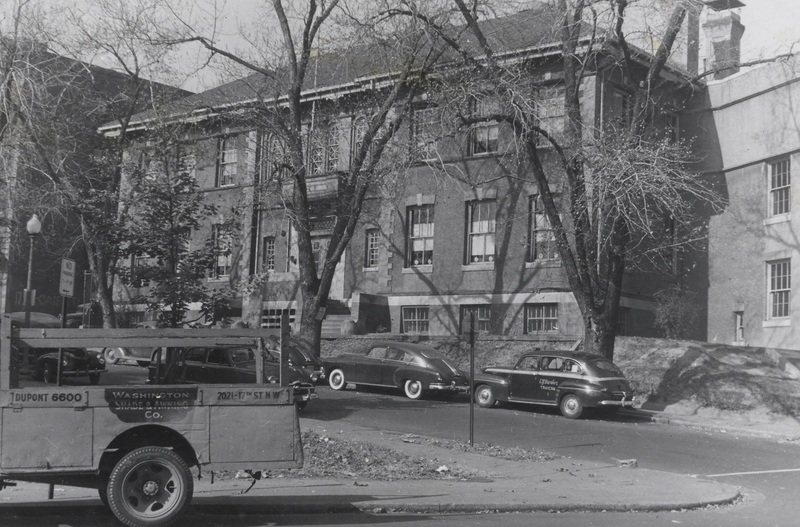
Civil Rights Tour: Education - Morgan Community School: 2200 Champlain Street NW (Site)
Morgan School, which stood at 18th and California streets until 1977 (now occupied by the soccer field at Marie Reed Recreation Center), stood as a symbol of the success that this mostly Black…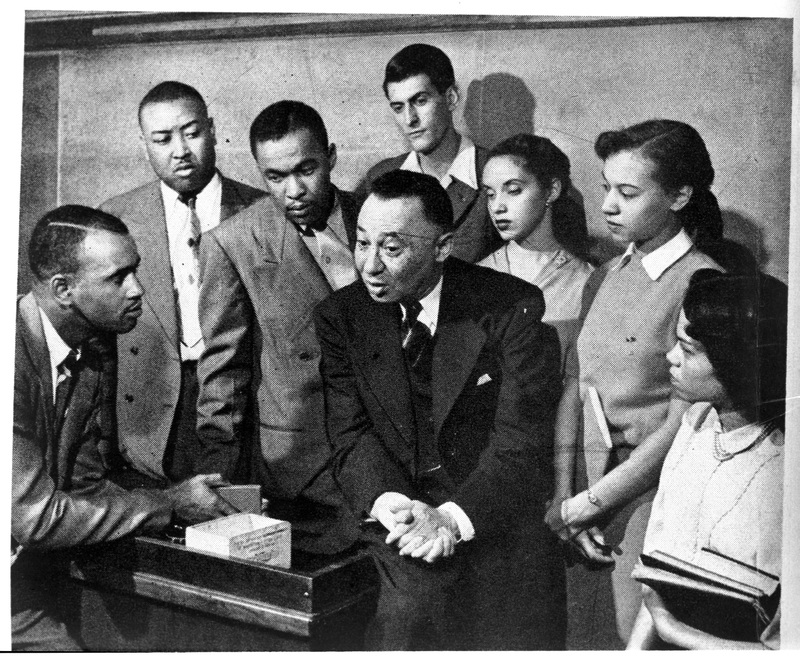
Civil Rights Tour: Education - Rayford Logan, Historian: 1519 Jackson Street NE (Site)
Although best known for his achievements as a historian and public intellectual, Rayford Logan (1897-1982) was, at heart, an activist devoted to the advancement of Africans and their descendants all…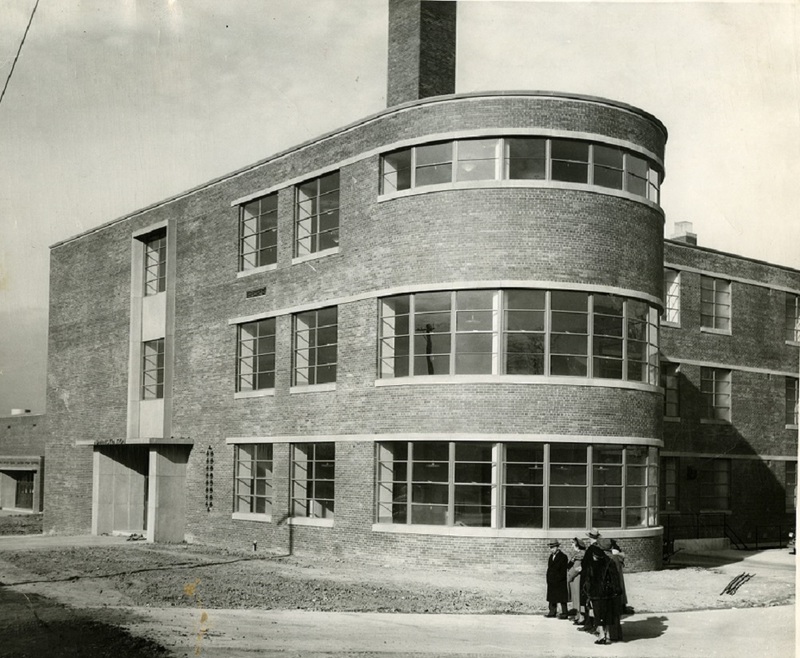
Civil Rights Tour: Education - Sousa Junior High and Bolling v. Sharpe: 3650 Ely Place SE
John Philip Sousa Junior High School was at the center of Bolling v. Sharpe, D.C.’s companion case to Brown v. Board of Education. Parent activist Gardner Bishop, a co-founder of the Consolidated…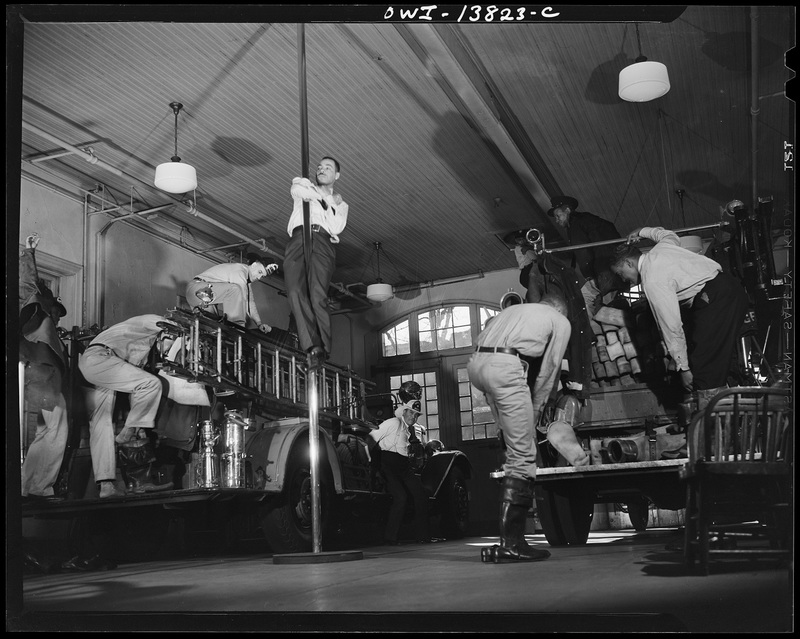
Civil Rights Tour: Employment - Engine Company No. 4, All-Black Unit: 931 R Street NW
In its first fifty years since it was professionalized in the 1870s, the DC Fire Department had employed a few Black firefighters, but none had ever achieved officer status until three African…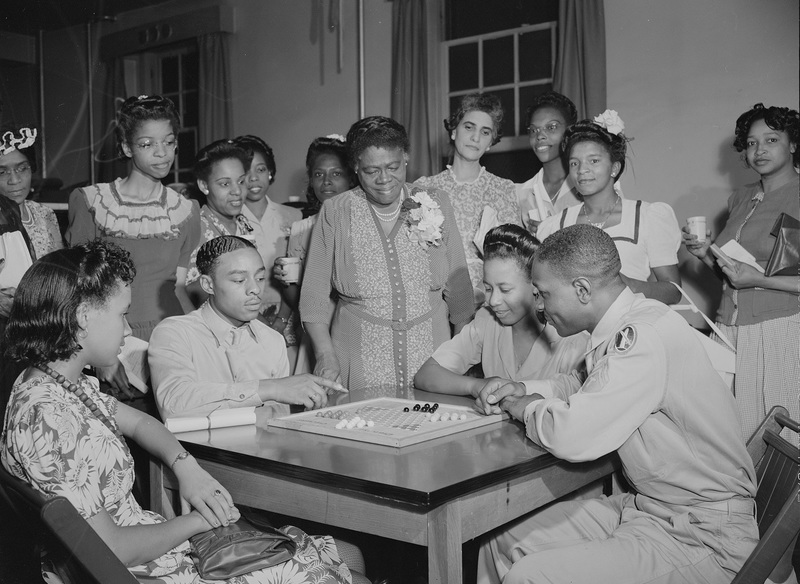
Civil Rights Tour: Employment - Mary McLeod Bethune: 1318 Vermont Avenue NW
Mary McLeod Bethune (1875-1955) worked tirelessly for the economic advancement of African Americans, and especially for the empowerment of black women and youth. Her "combination of deference, flattery, and political pragmatism betrayed a tactical awareness of how best to deal with white people," wrote one historian of her extraordinary skill in engaging white philanthropists and political elites.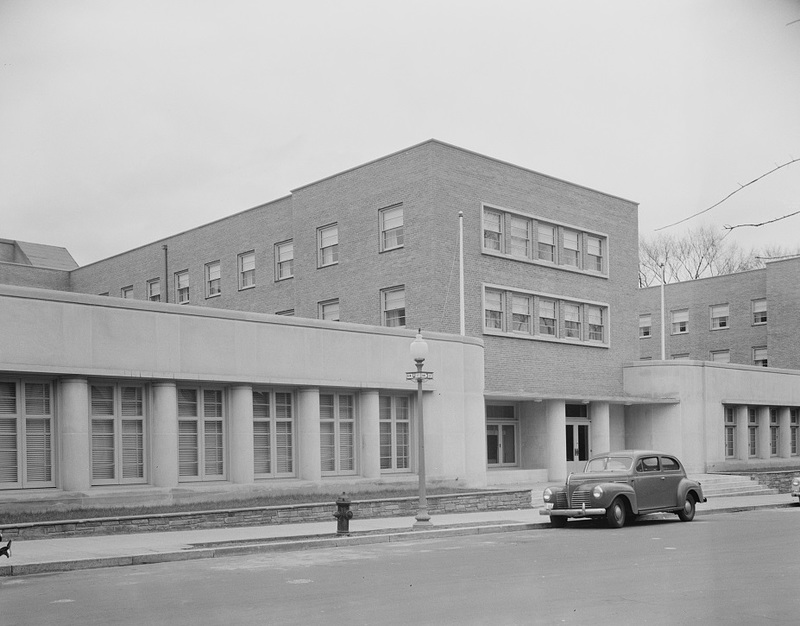
Civil Rights Tour: Employment - Non-Partisan Council: 961 Florida Avenue NW (Site)
In 1938, the National Non-partisan Council on Public Affairs (NPC), an outgrowth of the Alpha Kappa Alpha (AKA) sorority, became the first organization devoted to lobbying the federal government to…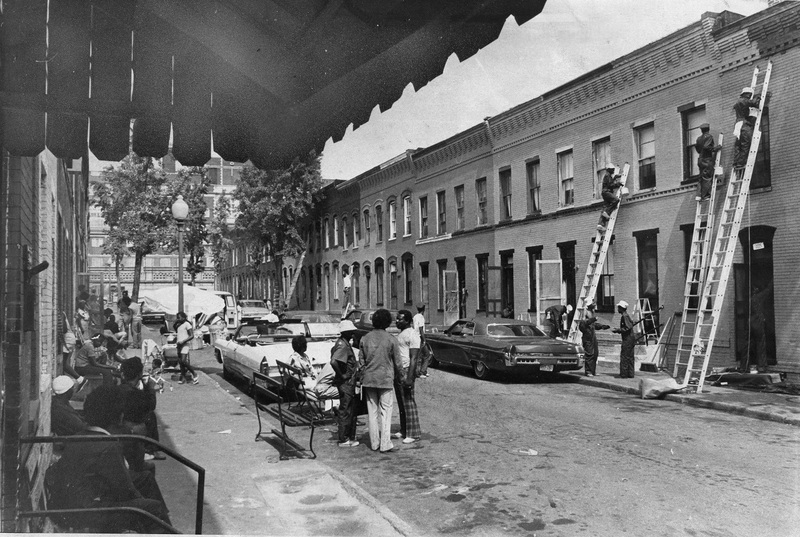
Civil Rights Tour: Employment - Pride, Inc., Youth Empowerment: 1536 U Street NW
Pride was here. Keep it!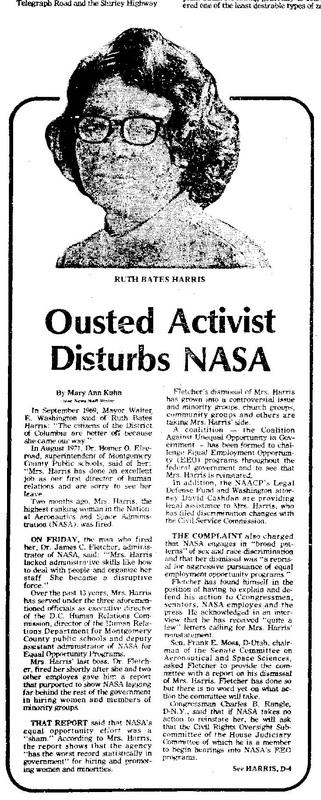
Civil Rights Tour: Employment - Ruth Bates Harris, Whistle Blower for Equality: 1218 E Street NE
Ruth Bates Harris (1919-2004) is most remembered for blowing the whistle on NASA’s discriminatory hiring practices in the early 1970s. NASA hired her as an equal opportunity officer in 1971, but two…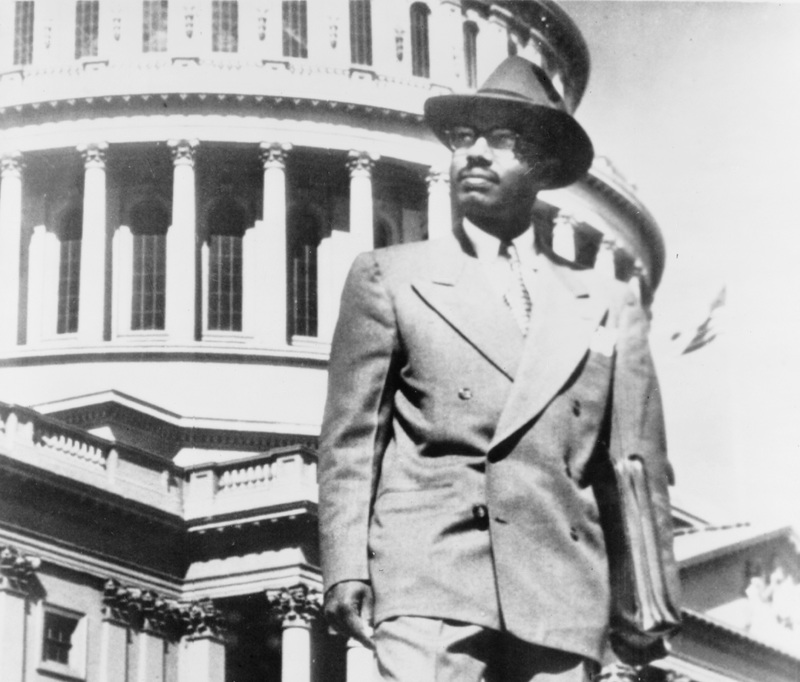
Civil Rights Tour: Employment - Elmer Henderson, Fighter for Equality: 1130 6th Street NW
Elmer W. Henderson was the plaintiff in a major civil rights case, a fair employment advocate for the federal government, and the longtime director of a national lobby for African American equality.…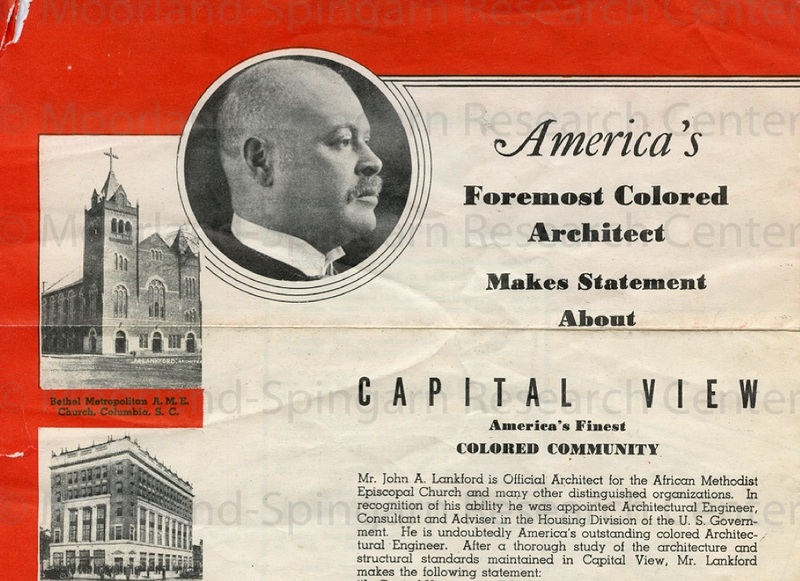
Civil Rights Tour: Employment - John Lankford, Architect: 1239 Girard Street NW
John Anderson Lankford (1874-1946) broke barriers when he put his stamp on Washington’s built environment begining in the early 20th century. At the same time, he promoted racial progress through…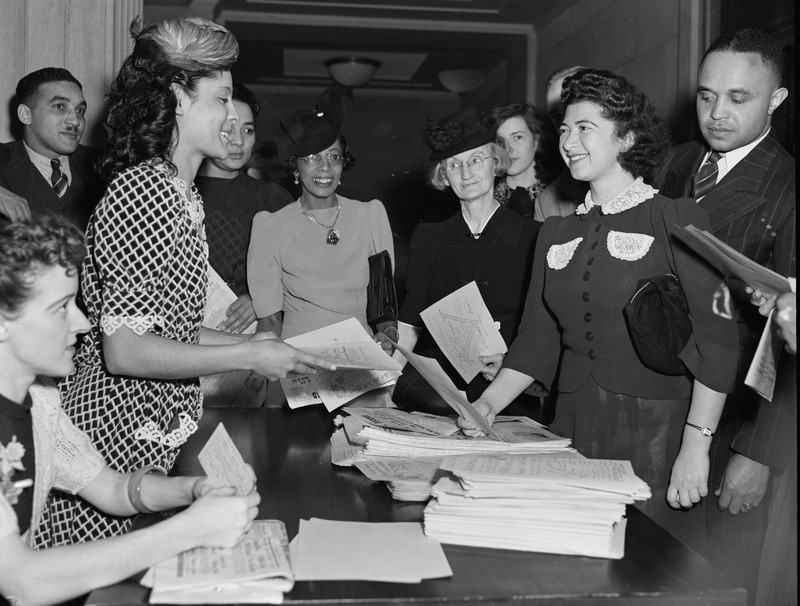
Civil Rights Tour: Employment - Jewell Mazique, Equal Employment Activist: 1861 California Street NW
After receiving a master's in African Studies at Howard University, helping to raise three nieces in her Kalorama home, and working two jobs to put her husband through medical school, Jewell Mazique…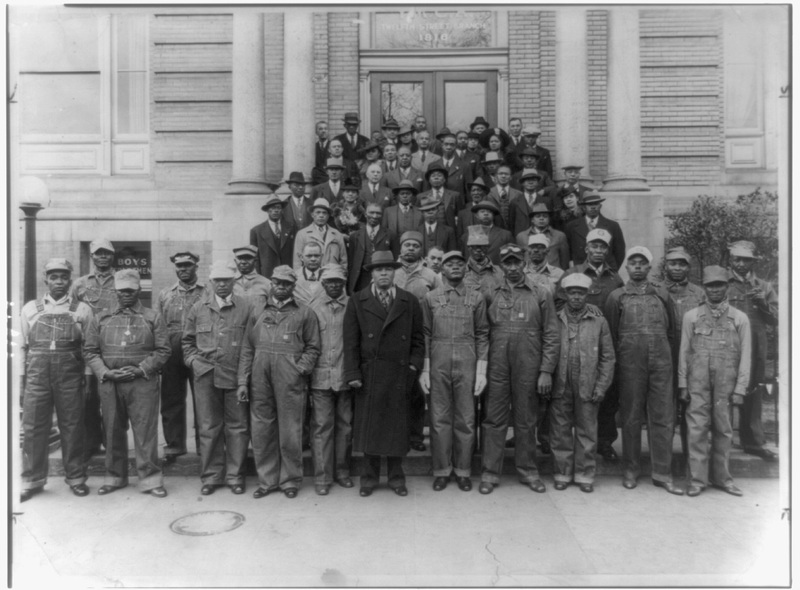
Civil Rights Tour: Employment - A. Philip Randolph and the International Brotherhood of Sleeping Car Porters: 817 Q Street NW
The Victorian rowhouse at 817 Q Street NW was, for more than three decades between 1943 and 1978, the local chapter office of the International Brotherhood of Sleeping Car Porters (BSCP). Socialist…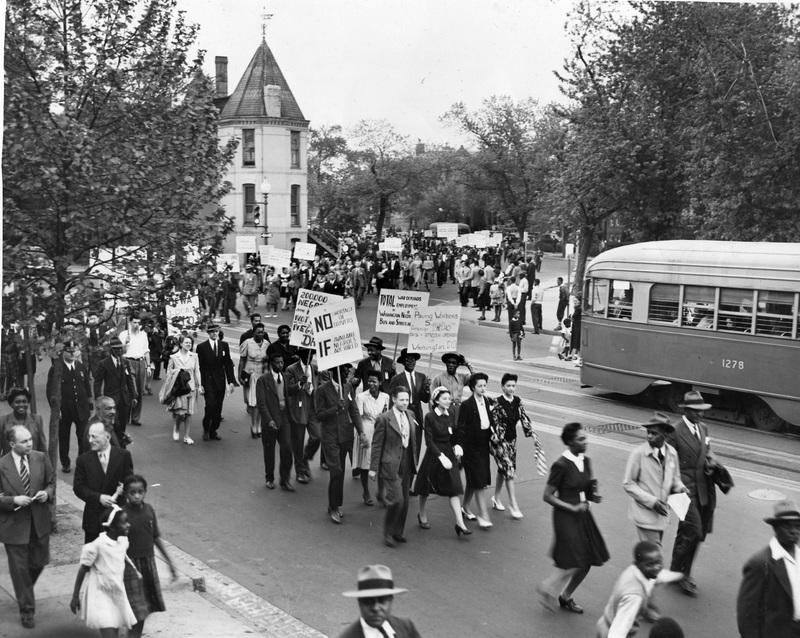
Civil Rights Tour: Employment - Marie Richardson, United Federal Workers' Rep: 1638 Florida Avenue NW
Marie Richardson (1920-1987) became a labor and civil rights activist in the 1930s, while a student at Cardozo High School. Her father handled baggage at Union Station, and together they helped…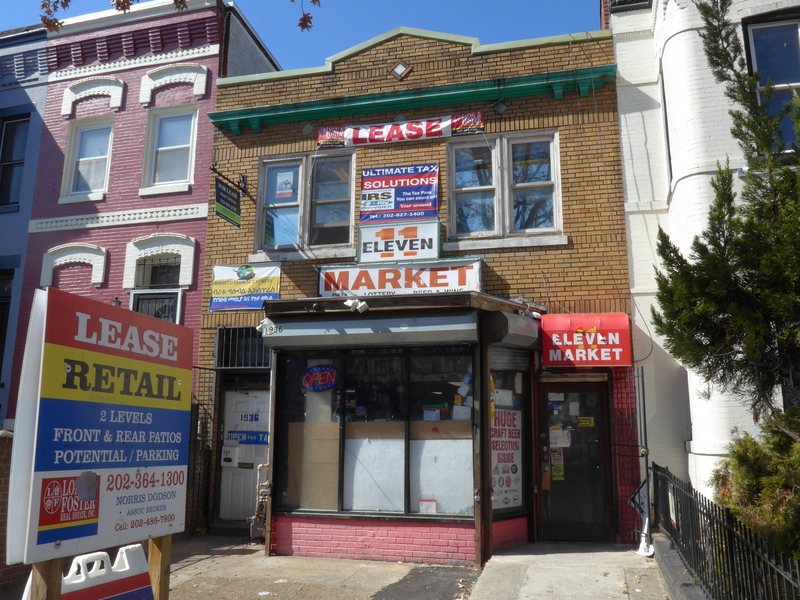
Civil Rights Tour: Sanitary Grocery, "Don't Buy Where You Can't Work": 1936 11th Street NW
Though unremarkable in appearance, the modest building at 1936 11th Street NW—once a Sanitary Grocery Store—looms large in civil rights history as the scene of a landmark Supreme Court decision safeguarding the right to picket.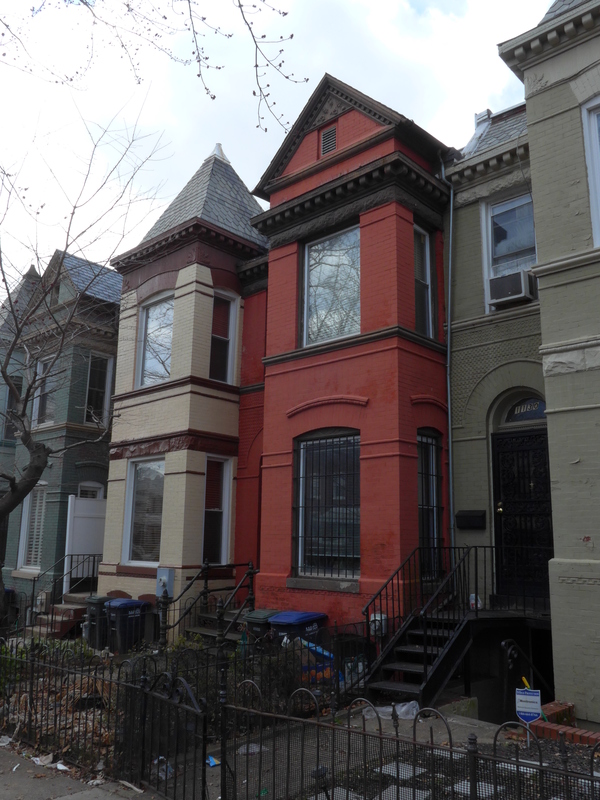
Civil Rights Tour: Employment - Rosina Tucker, Labor Organizer: 1128 7th Street NE
In a 1982 interview with a Washington Post reporter when she was 100 years old, longtime labor activist Rosina Corrothers Tucker recalled how her house at 1128 7th Street had been the center of…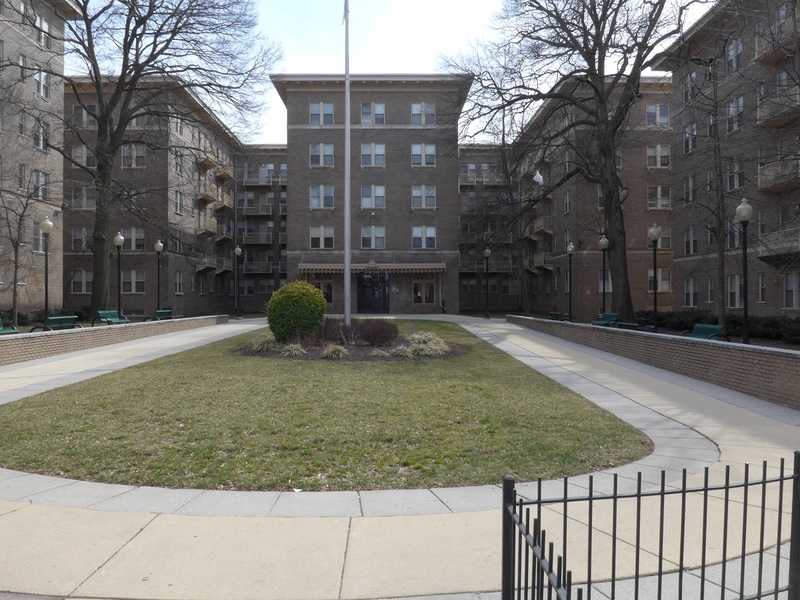
Civil Rights Tour: Housing - Clifton Terrace and Tenant Organizing: 1350 Clifton Terrace NW
During the 1960s, the once-elegant apartment complex originally known as Wardman Courts, but renamed Clifton Terrace in 1921, had fallen into severe disrepair. As tenants were forced to endure a lack…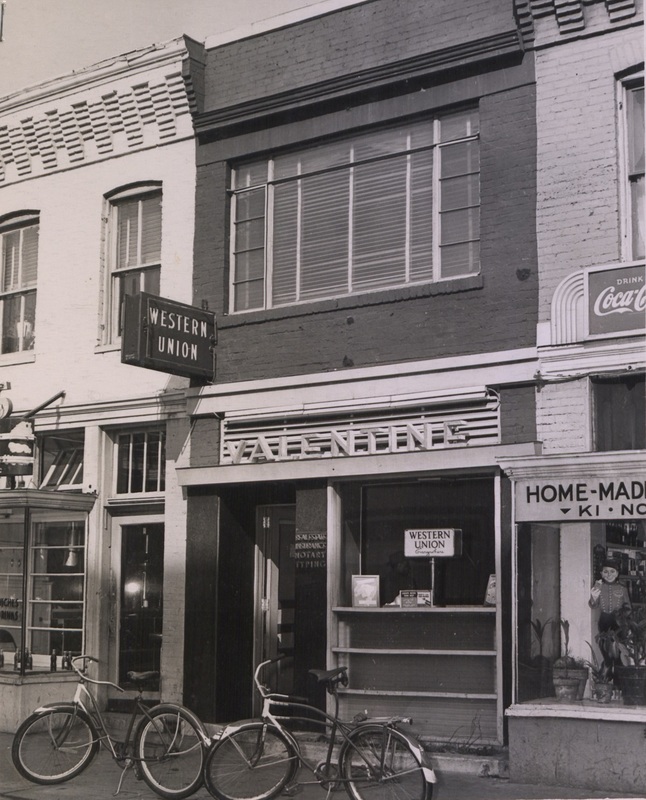
Civil Rights Tour: Housing - Equitable Realty, Opening Neighborhoods: 1011 U Street NW
"Believing…that everyone has a right to good and decent housing, a right of choice to live where one can afford to buy and desires to live—our firm dedicated itself to finding such homes….We knocked on doors and were insulted—we moved further up the street and continued our efforts—day in and night out—we received [rebuffs] graciously….We trained our salesmen to…introduce purchasers into a block as quietly as possible."(Geneva Valentine, Equitable Realty Co.)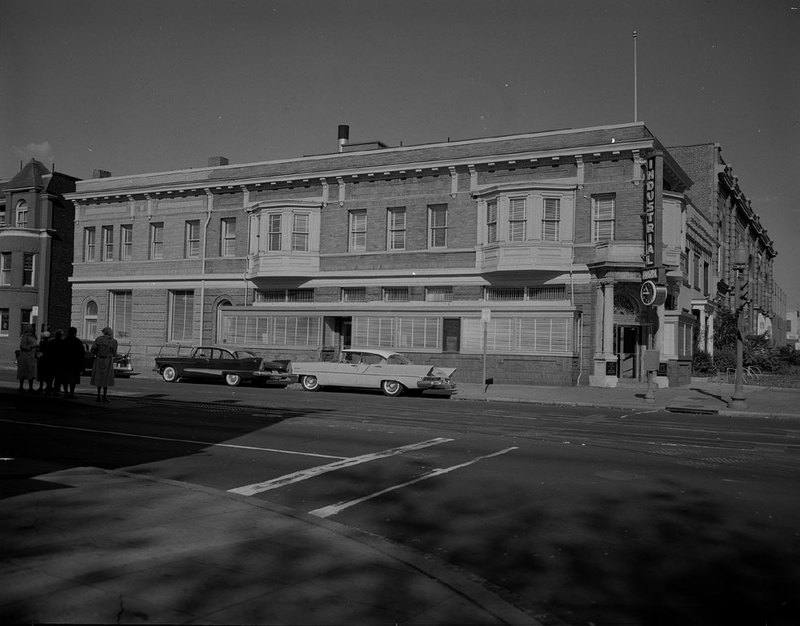
Civil Rights Tour: Housing - Industrial Bank of Washington: 2000 11th Street NW
As African American families began fleeing the South during the Great Migration, they discovered in Washington great opportunities in education and employment. However, finding capital to buy a home or open a business was another matter, even when they were able to overcome discriminatory real estate practices.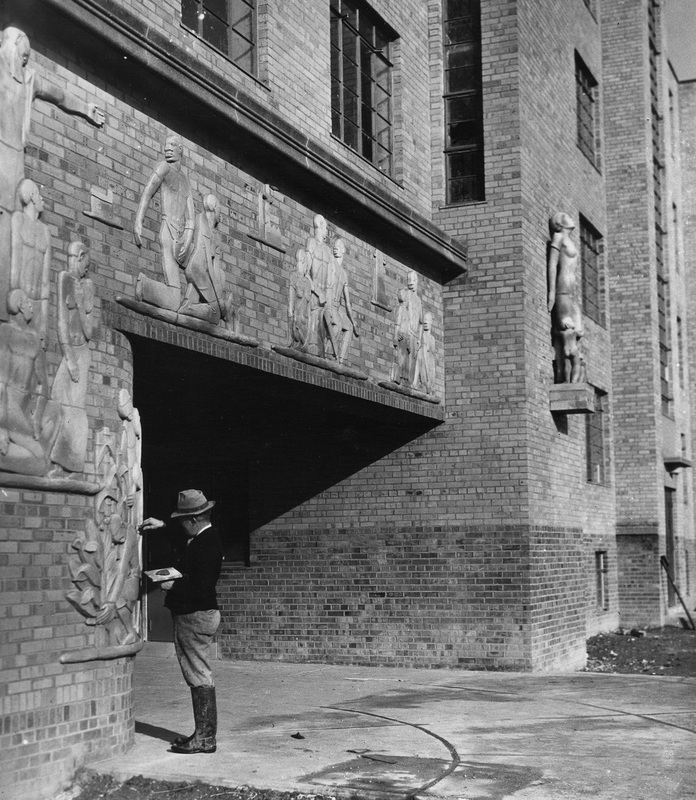
Civil Rights Tour: Housing - Langston Terrace Dwellings: 21st and Benning Road, NE
Langston Terrace Dwellings opened in 1938 as one of the nation’s earliest federally funded public housing projects for lower income residents and only the second one to be built for African Americans.…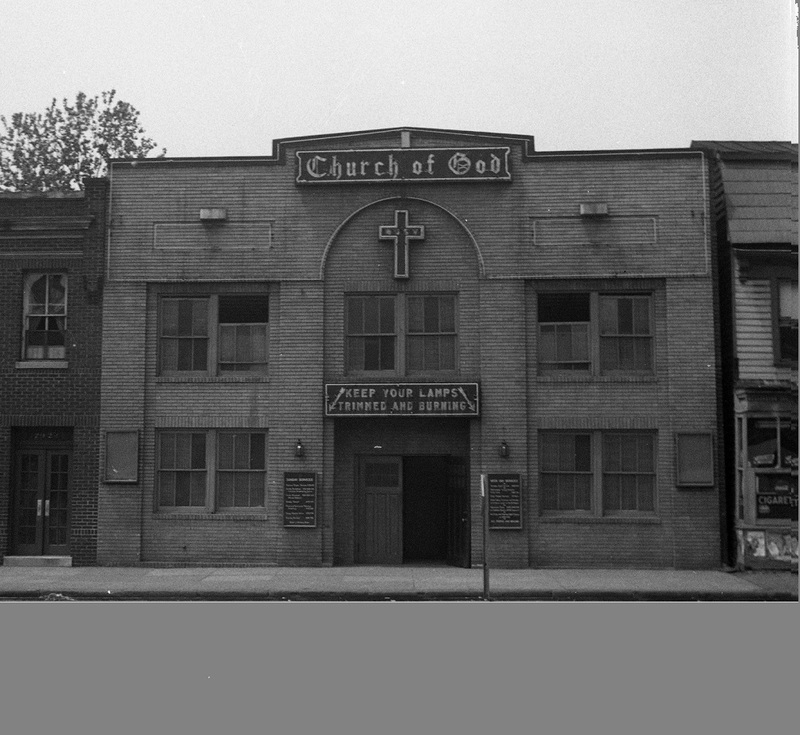
Civil Rights Tour: Housing - Church of God and Elder Michaux: 2030 Georgia Avenue NW
Church of God's modest appearance and location along a busy commercial corridor belie the grandiose dreams and significant accomplisments of its founder, Elder Solomon Lightfoot Michaux.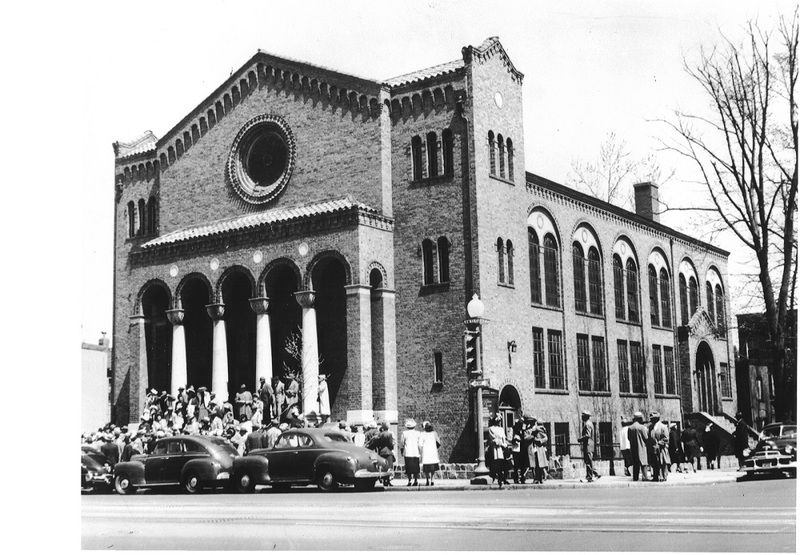
Civil Rights Tour: Housing - Lincoln Temple Congregational Church: 1701 11th Street NW
In 1939, Lincoln Temple Congregational Church was the site of a mass meeting to "Abolish Modern Slavery," hosted by the National Negro Congress (NNC). With a goal of focusing attention on police…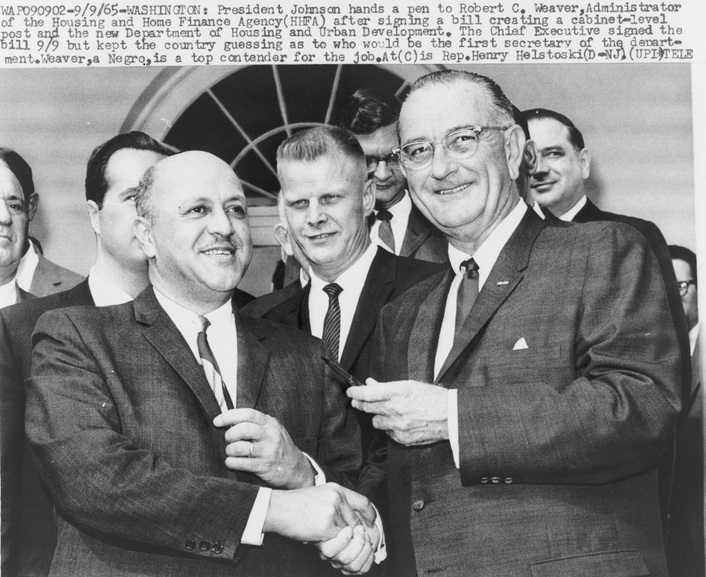
Civil Rights Tour: Housing - Robert Weaver and the Fight for Fair Housing: 3519 14th Street NE (Site)
“American cities have a choice to make. They can maintain strict residential segregation or they can initiate urban redevelopment and sound urban planning. They cannot do both.”(Robert Clifton Weaver, 1948)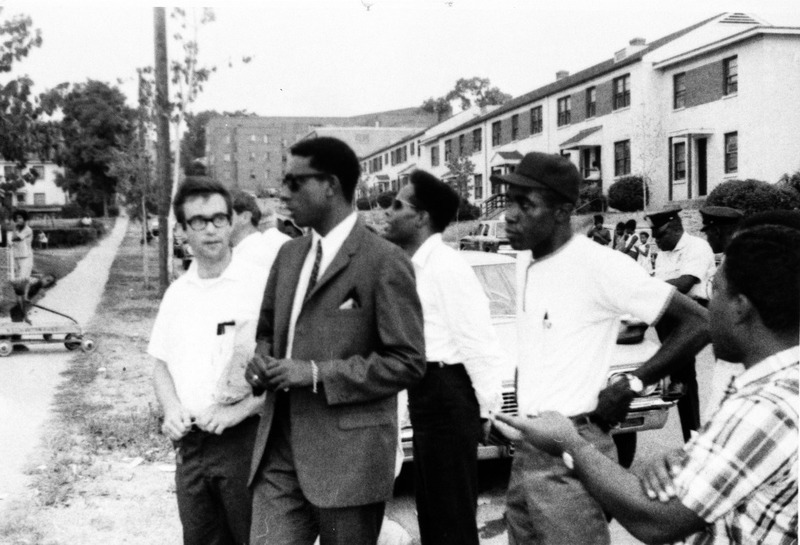
Civil Rights Tour: Housing - Barry Farm Dwellings: Sumner, Eaton, Stevens and Wade roads SE
"They say we have outside agitators . . . . Heck, when you're living like this, you don’t need anybody from outside to agitate [for] you." (The Washington Post, December 25, 1966).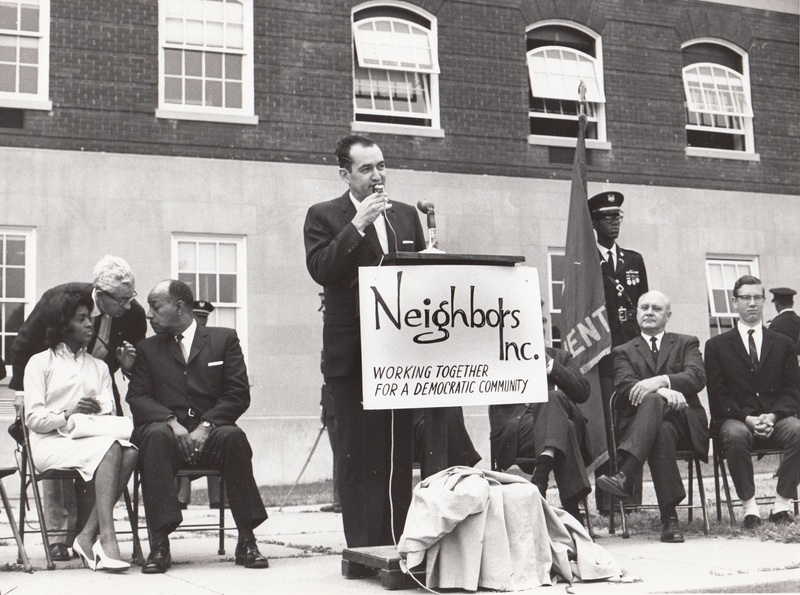
Civil Rights Tour: Housing - Neighbors, Inc., Fighting White Flight: 5508 Illinois Avenue NW
The enactment of fair housing regulation in the District in January 1964, more than four years before Congress passed the federal Fair Housing Act, was largely thanks to Neighbors, Inc.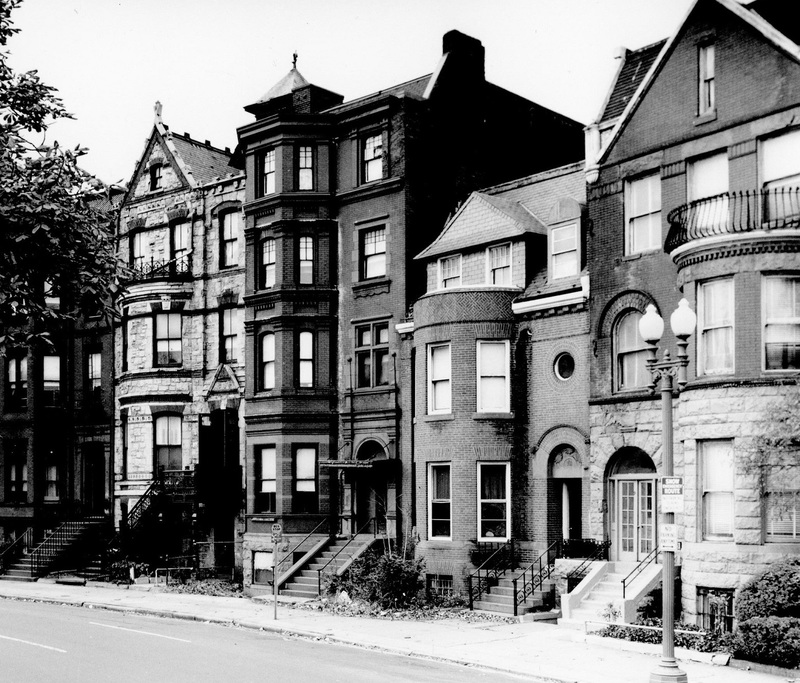
Civil Rights Tour: Legal Campaigns - Belford and Marjorie Lawson: 8 Logan Circle
“…[A]ll education should be in the direction of overcoming the awful monsters of Jim Crow and other evils that stand in the way of freedom.”(Belford Lawson, 1947)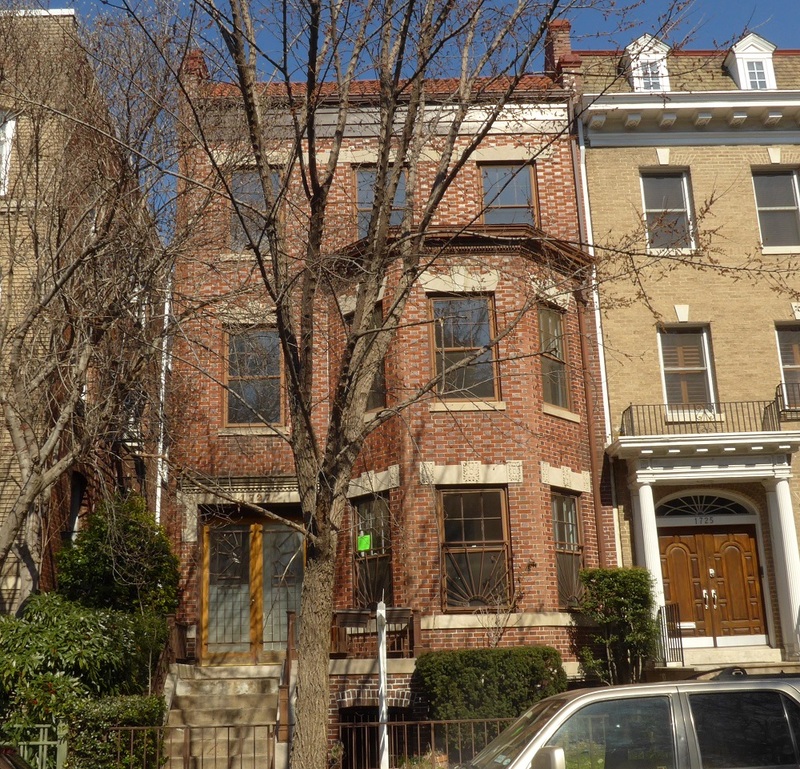
Civil Rights Tour: Legal Campaigns - Corrigan v. Buckley, Racial Covenants Upheld: 1727 S Street NW
When the stately, turn-of-the 20th century rowhouse at 1727 S Street NW in Dupont Circle was sold to an African American couple in violation of a racial covenant that restricted its sale to whites,…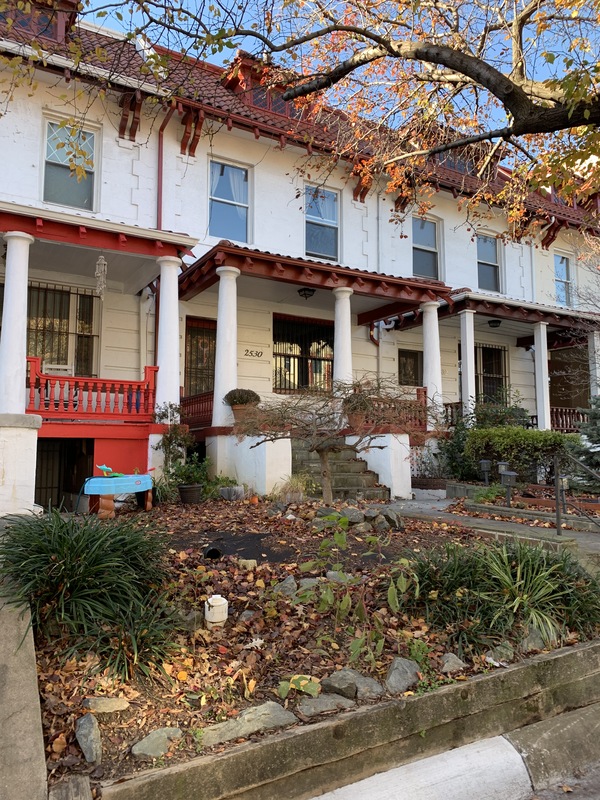
Civil Rights Tour: Legal Campaigns - The Hundleys and Racially Restrictive Covenants
In 1942, the rowhouse at 2530 13th Street was at the center of a successful legal battle to open this section of Columbia Heights to Black residence.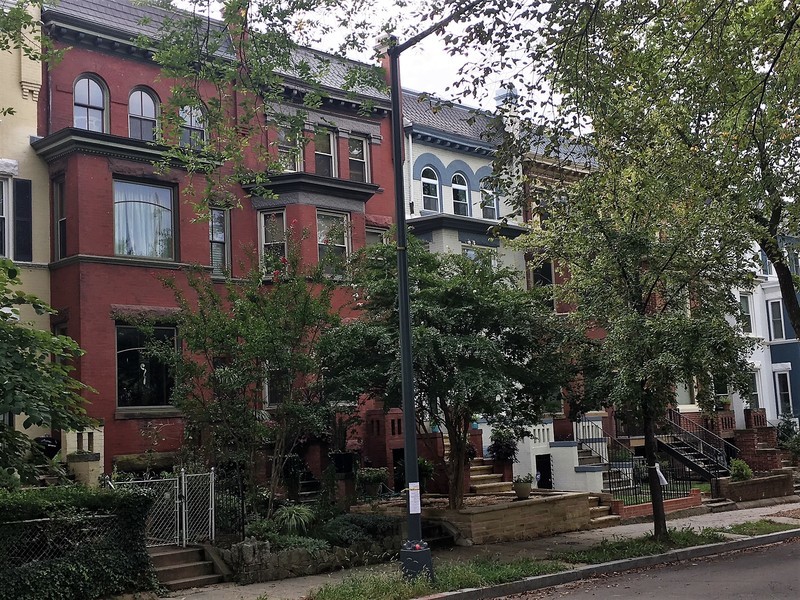
Civil Rights Tour: Legal Campaigns - Hurd v. Hodge, Landmark Supreme Court Case: 116 Bryant Street NW
The James and Mary Hurd house at 116 Bryant Street in Bloomingdale was at the center of the Supreme Court's landmark 1948 decision ending court enforcement of racially restrictive real estate…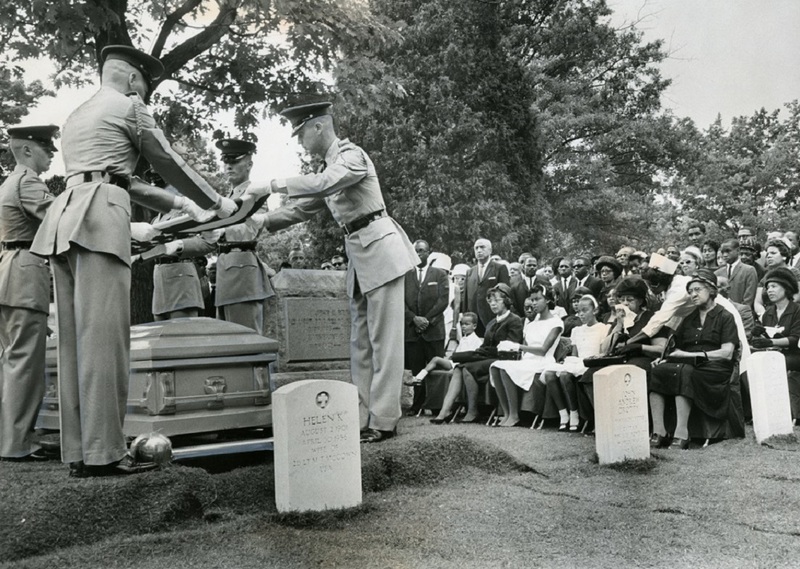
Civil Rights Tour: Legal Campaigns - Lemuel Penn, Civil Rights Martyr: 1622 Upshur Street NW
DC native Lemuel A. Penn was an educator, a decorated World War II veteran and an Army reservist. He was also a civil rights martyr.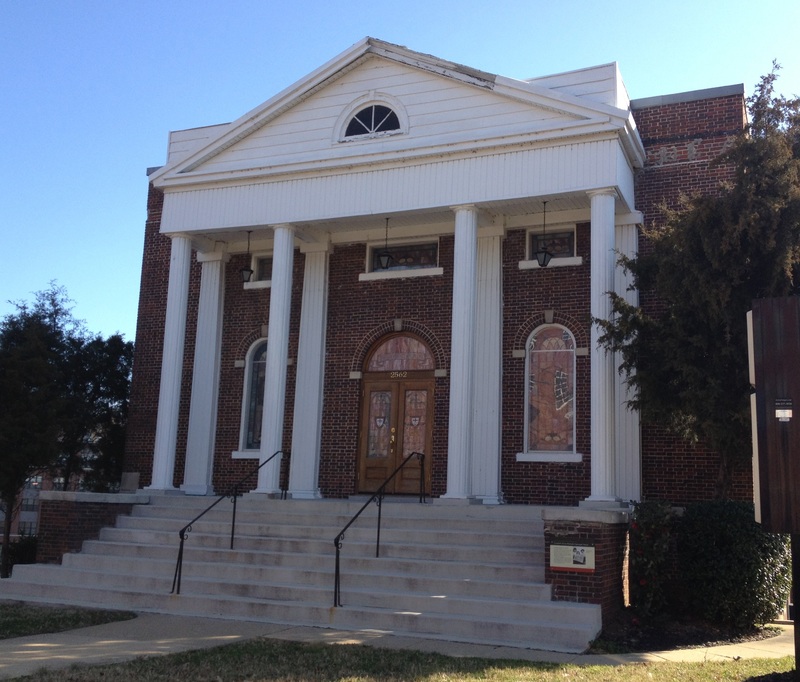
Civil Rights Tour: Legal Campaigns - Campbell A.M.E. Church, Organizing Base: 2568 Martin Luther King, Jr. Avenue SE
In the 1940s, Campbell African Methodist Episcopal Church was a hub of resistance to school segregation in the District. In collaboration with local and national organizations, the church planned for…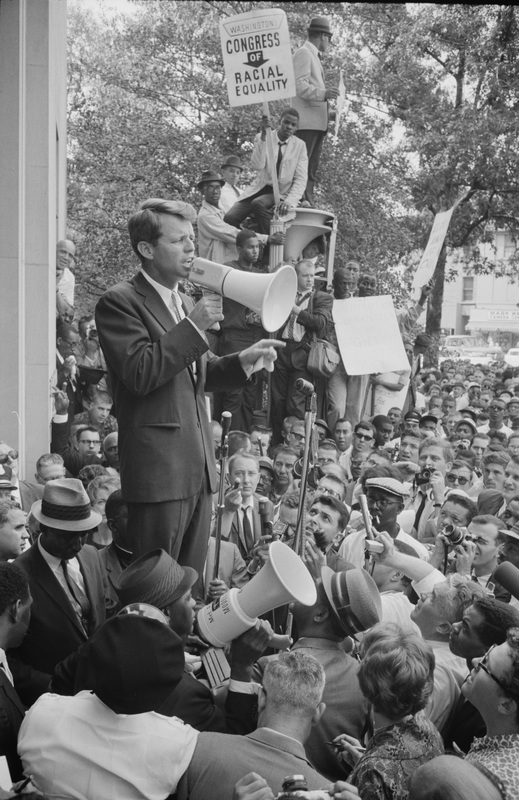
Civil Rights Tour: Legal Campaigns - Department of Justice, Enforcing Civil Rights: 950 Pennsylvania Avenue NW
The US Department of Justice (DOJ), headquartered in a building designed for it as part of the Federal Triangle project in the 1930s, has been an essential tool in advancing African American civil rights.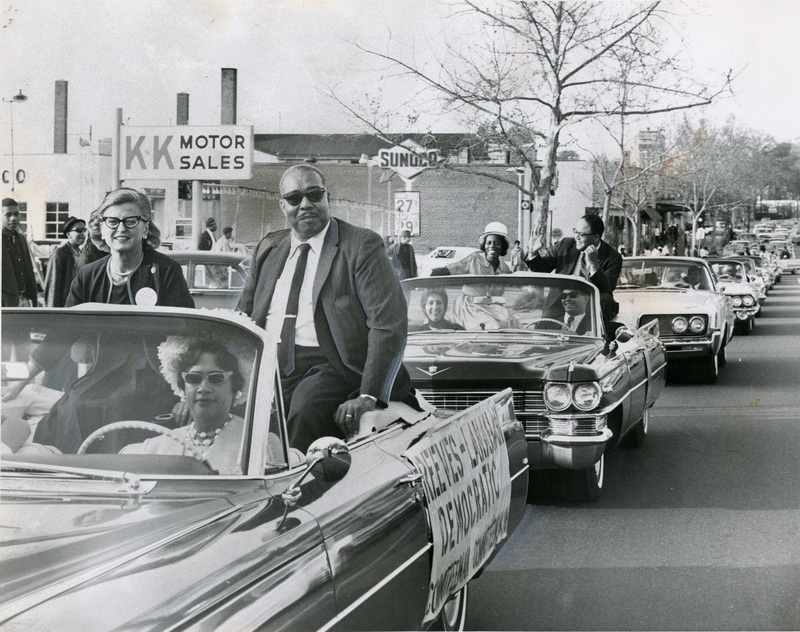
Civil Rights Tour: Legal Campaigns - Frank D. Reeves, Leveraging the Law: 7760 16th Street NW
Attorney and educator Frank D. Reeves (1916-1973) was a critical player in seminal civil rights victories, namely the 1954 Brown v. Board of Education Supreme Court school-segregation case. Born in…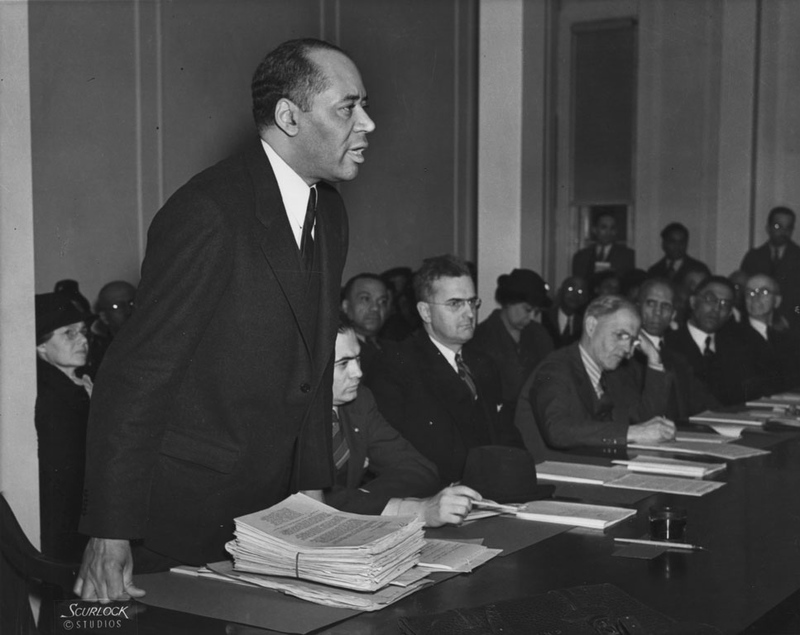
Civil Rights Tour: Legal Campaigns - Charles Hamilton Houston, Civil Rights Attorney: 3611 New Hampshire Avenue NW
The hate and scorn showered on us Negro officers by our fellow Americans convinced me that there was no sense in my dying for a world ruled by them. I made up my mind that if I got through this war I would study law and use my time for fighting men who could not strike back.(Charles Hamilton Houston)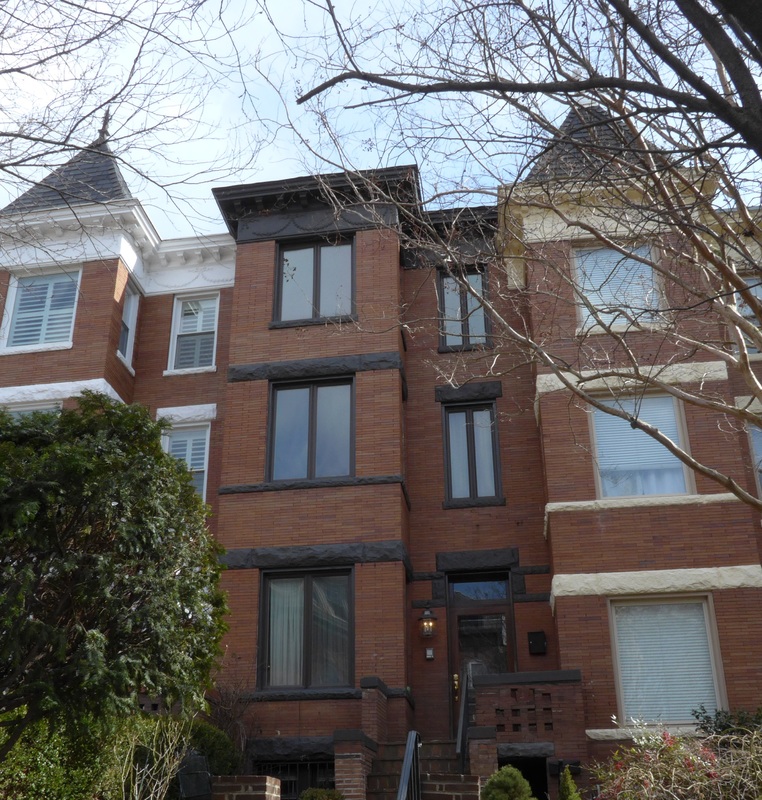
Civil Rights Tour: Legal Campaigns - Clara Mays, Racial Covenants Defied: 2213 1st Street NW
"Democracy, hell! There is no democracy if a citizen can be restrained from living in property simply on the basis of her color. " (Judge James A. Cobb, Baltimore Afro-American, June 9, 1945)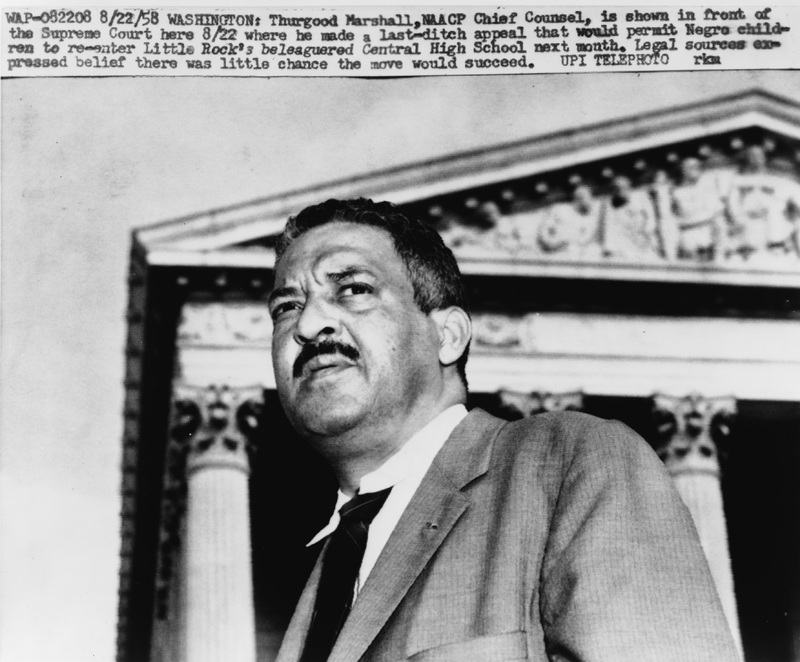
Civil Rights Tour: Legal Campaigns - Thurgood Marshall, From Howard U to Highest Court: 64 G Street SW
"Liberty is not the loser when the pressures of conformity to prejudice are removed by law." (Thurgood Marshall, Solicitor General of the United States, March 1967)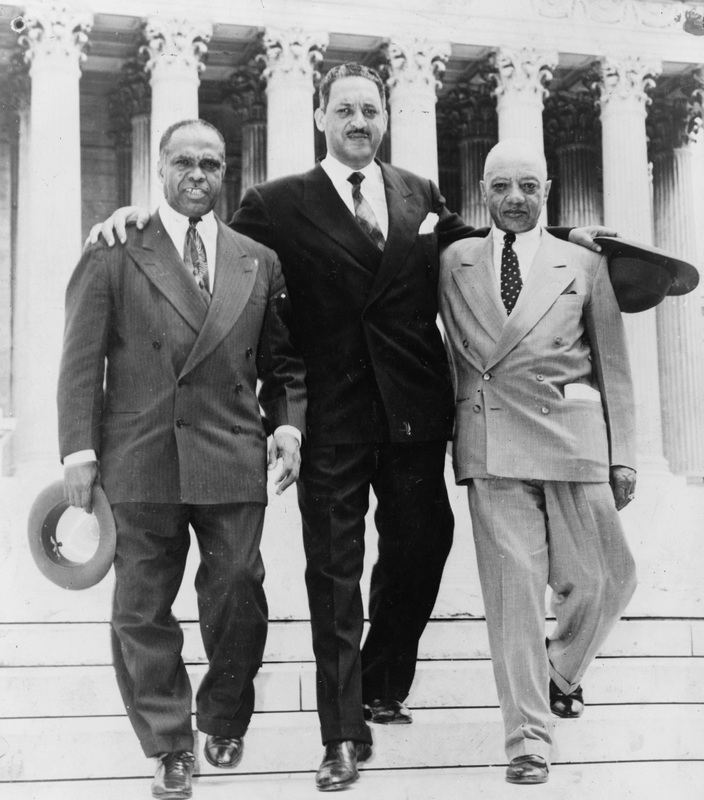
Civil Rights Tour: Legal Campaigns - James Nabrit, Legislating for Change: 654 Girard Street NW
In 1954, James Nabrit and co-lead attorney George E.C. Hayes celebrated the outcome of Bolling v. Sharpe, DC's companion case to Brown v. Board of Education. For years, attorneys had argued in favor…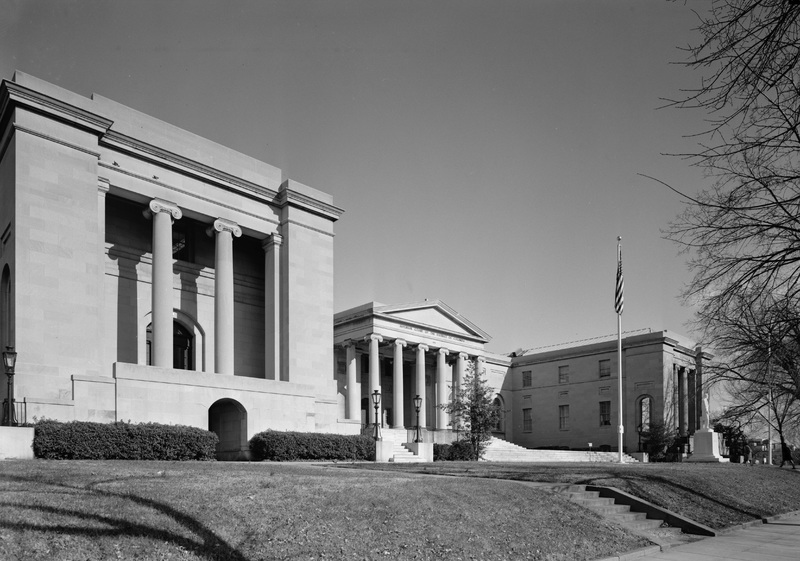
Civil Rights Tour: Legal Campaigns - Old City Hall, Racial Equality
The Old City Hall Building at Judiciary Square was the site of a decades-long battle to desegregate the whites-only DC Bar Association and its law library, both housed at what was the US District…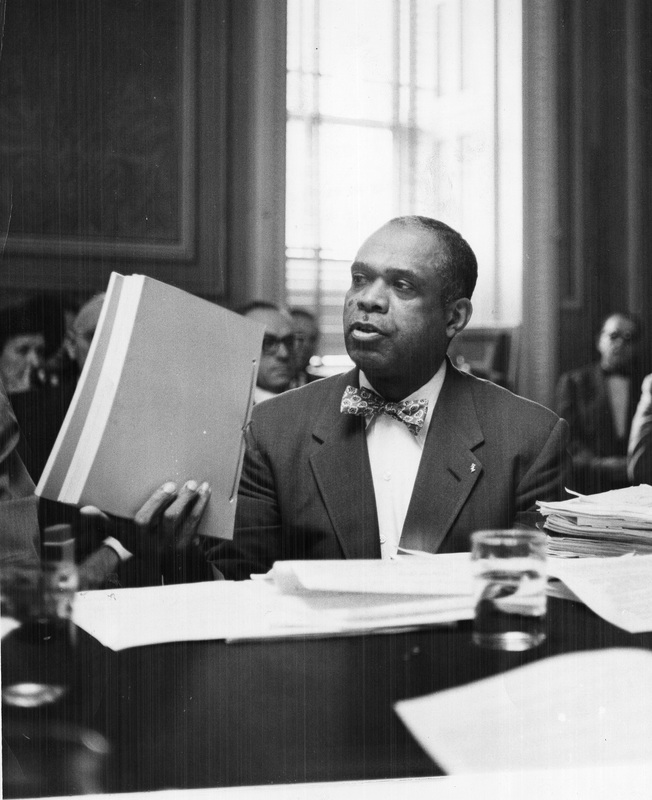
Civil Rights Tour: Legal Campaigns - George E.C. Hayes, Lawyer and Leader: 1732 S Street NW
“George E.C. Hayes was one of the great lawyers who fought for the little people of this Nation when it was extremely unpopular to do so.” (Wiley Branton, Director of the United Planning Organization, 1968)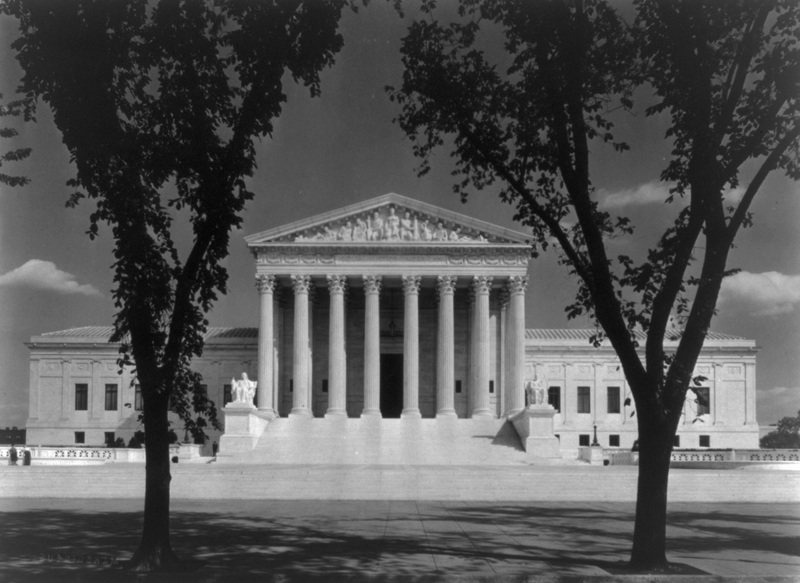
Civil Rights Tour: Legal Campaigns - Supreme Court, Arbiter of Civil Rights: 1 First Street NE
As the highest court of the land, the United States Supreme Court is ultimately where significant, nationwide civil rights advances are made, and sometimes unmade. While Congress has a huge role, too,…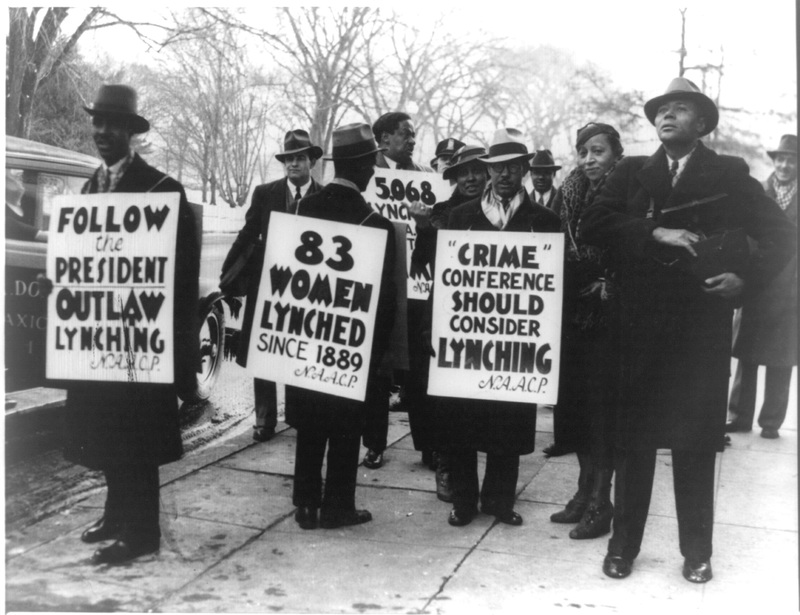
Civil Rights Tour: Legal Campaigns - NAACP, DC Branch: 1019 U Street NW
Established in 1912, the National Association for the Advancement of Colored People's (NAACP) DC branch was the largest and most influential of some 50 branches across the United States. The group…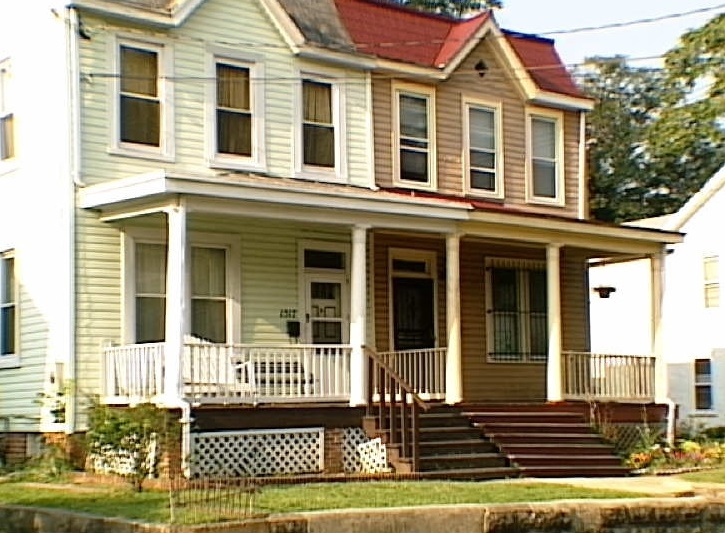
Civil Rights Tour: Political Empowerment - Howard Croft, Social Justice Crusader: 1515 U Street SE
Howard Croft (1941-2020) is remembered as a fierce crusader for social justice and DC Statehood.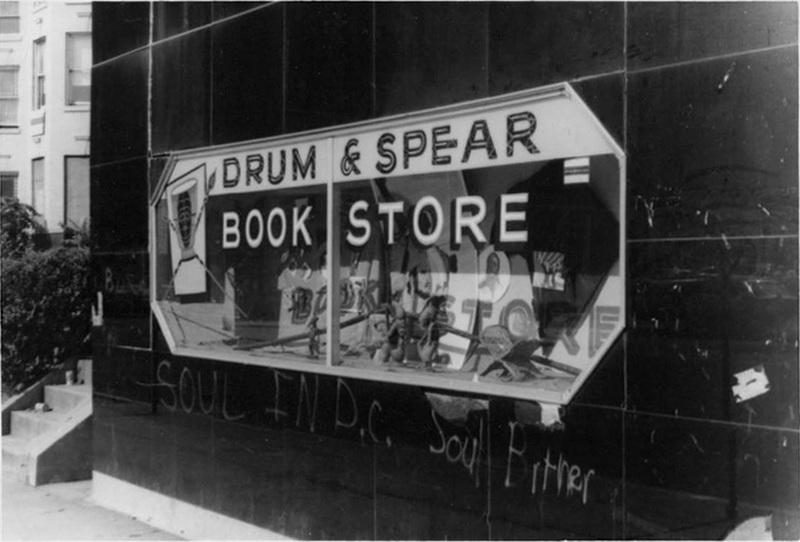
Civil Rights Tour: Political Empowerment - Drum and Spear Bookstore: 1371 Fairmont Street NW
“That was the whole point of the store…to have a space where Black people, whatever their political persuasions were, or maybe they didn’t have any political persuasions…could encounter ideas, could encounter serious thought, could think about the idea of Black liberation.” (Charlie Cobb on the Kojo Nnamdi Show, WAMU, 2018)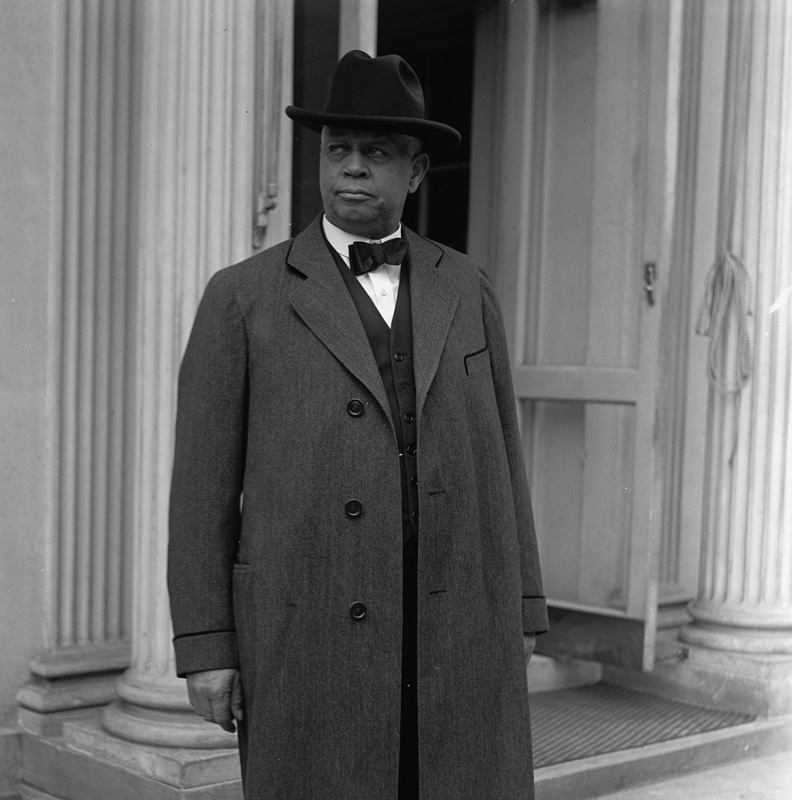
Civil Rights Tour: Political Empowerment - Oscar De Priest, Lone Legislator: 419 U Street NW
Oscar Stanton De Priest (1871-1951) represented Chicago’s South Side in the U.S. House of Representatives from 1929 to 1935. He was the first African American Congressman in the 20th century and the…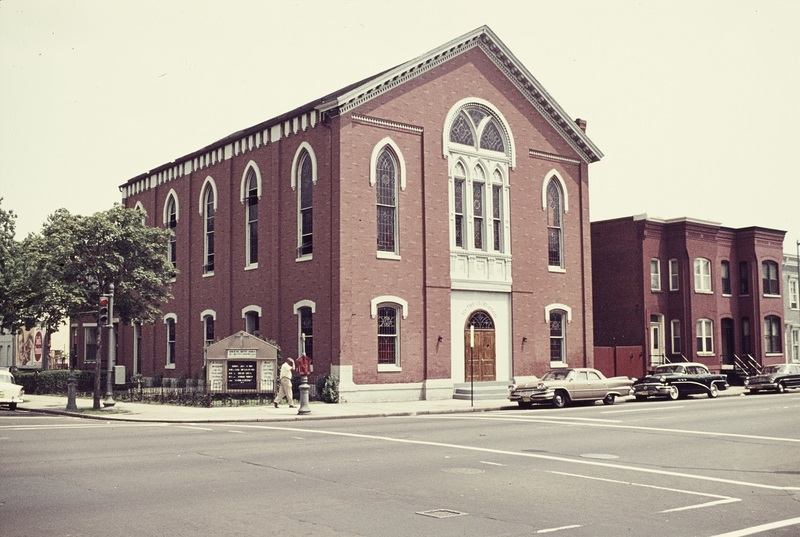
Civil Rights Tour: Political Empowerment - Walter Fauntroy and New Bethel Baptist Church: 1739 9th Street NW
For 60 years spanning much of the second half of the 20th century, New Bethel Baptist Church at 1739 9th Street was led by Rev. Walter Fauntroy, one of DC's most respected civil rights leaders. A…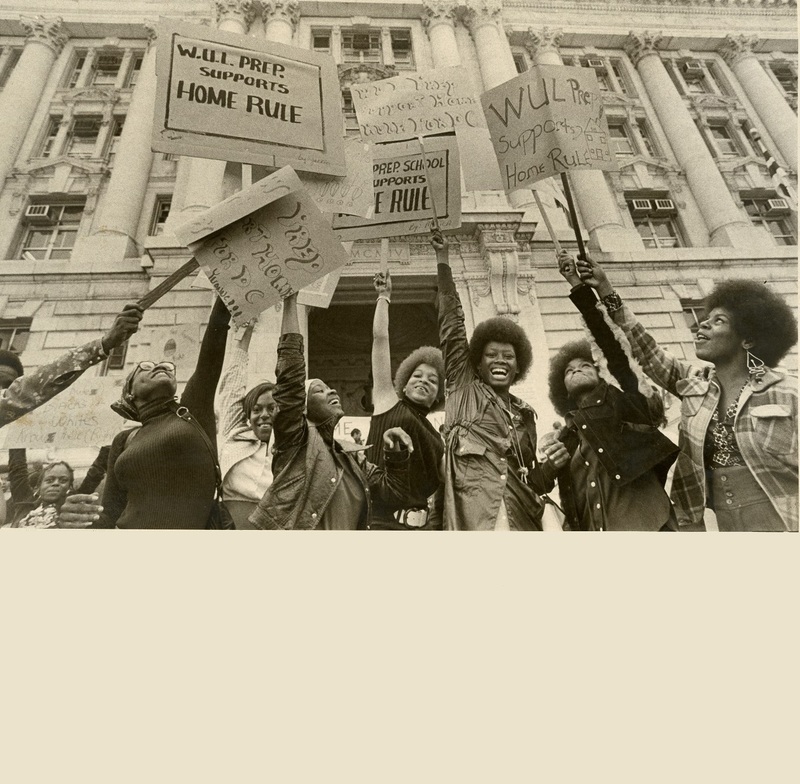
Civil Rights Tour: Political Empowerment - John A. Wilson/District Building: 1350 Pennsylvania Avenue NW
Constructed in 1908 to serve as DC's city hall, this building at 1350 Pennsylvania Avenue was historically known as the District Building. It was re-christened in 1994 to honor John A. Wilson, a veteran of the Civil Rights Movement and chair of the D.C. Council.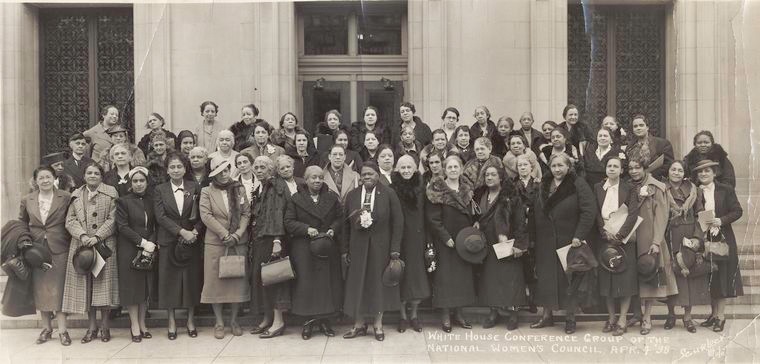
Civil Rights Tour: Political Empowerment - National Council of Negro Women: 633 Pennsylvania Avenue NW
The National Council of Negro Women's relocation of its headquarters in 1995 to Pennsylvania Avenue was fitting for a group that has been so enormously influential in advancing the economic well-being of Black citizens over the course of its first 60 years. When it moved to this prestigious address between the White House and the Capitol, NCNW became the first Black organization to have its headquarters on Pennsylvania Avenue.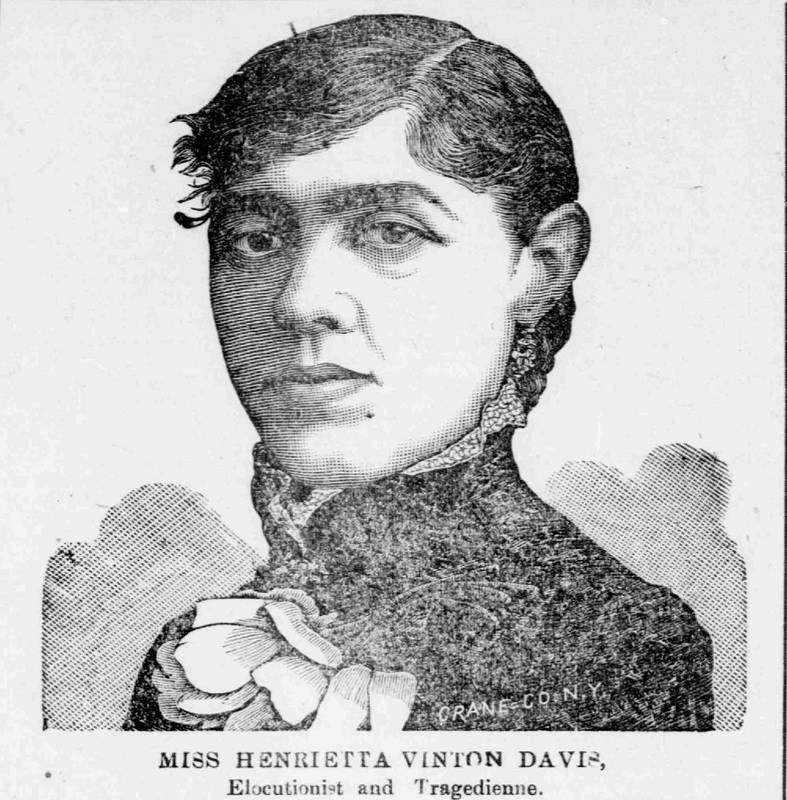
Civil Rights Tour: Political Empowerment - Henrietta Vinton Davis & the UNIA: 1219 Linden Place NE
"I shall be glad, indeed, when we can found a nation in Africa where our children can grow up free and untrammeled from prejudice." (Henrietta Vinton Davis, January 14, 1922)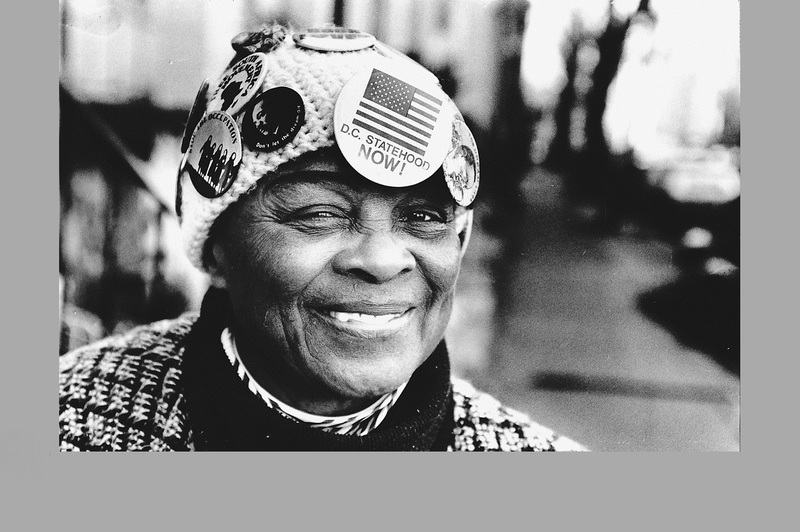
Civil Rights Tour: Political Empowerment - DC Statehood Party: 1017 K Street NW (Site)
Statehood for the District of Columbia is a natural right which can no longer be denied and must be achieved by whatever means necessary by the people.
Civil Rights Tour: Political Empowerment - Wilhelmina and Calvin Rolark, Crusaders for Justice: 524 Foxhall Place SE
Attorney and politician Wilhelmina Jackson Rolark (1916–2006) and publisher and executive Calvin Rolark (1927–1994) were activists and outspoken advocates for DC. Their legacy is carried on by the institutions they founded.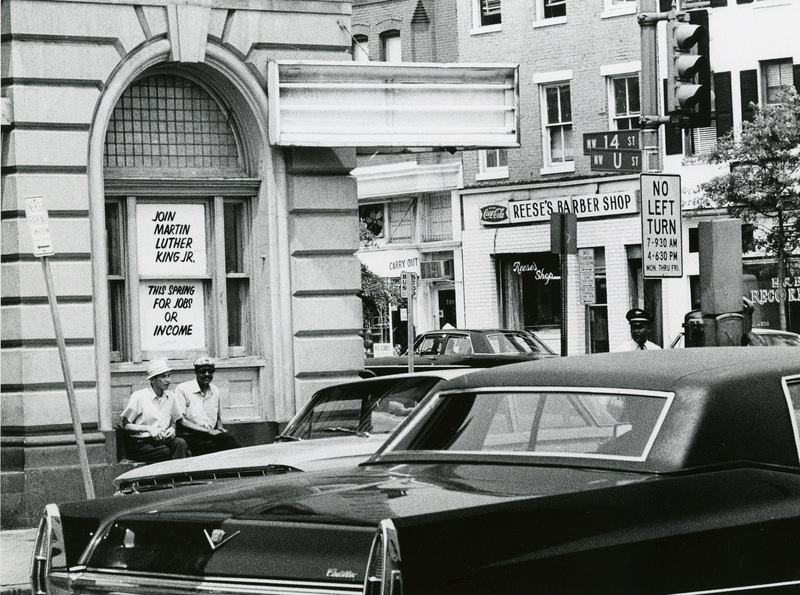
Civil Rights Tour: Protests - 14th and U: 14th and U Streets NW
The corner of 14th and U was the grapevine. . . . If you were at that corner, you always had the sense that something big was about to happen.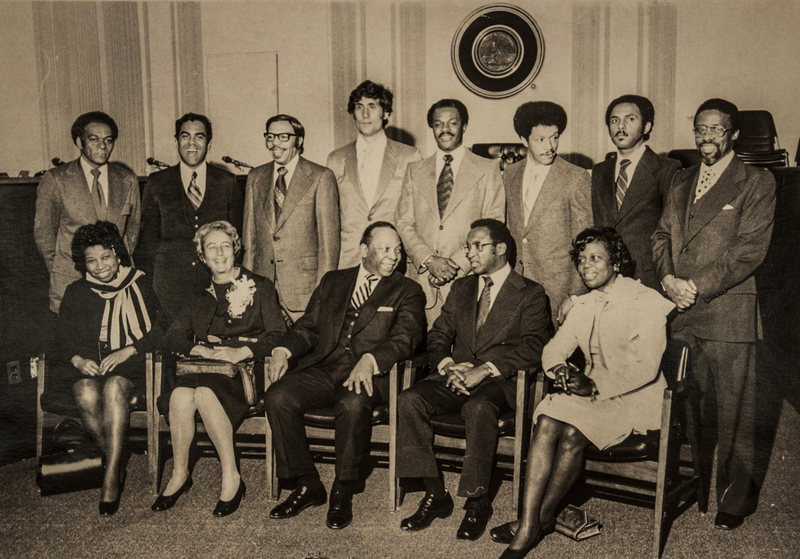
Civil Rights Tour: Political Empowerment - Walter Washington, Mayor-Commissioner: 408 T Street NW
Walter Washington (1915-2003) became the first African American mayor of a major American city, and the first mayor in DC since 1871 when President Lyndon Johnson appointed him to the position in…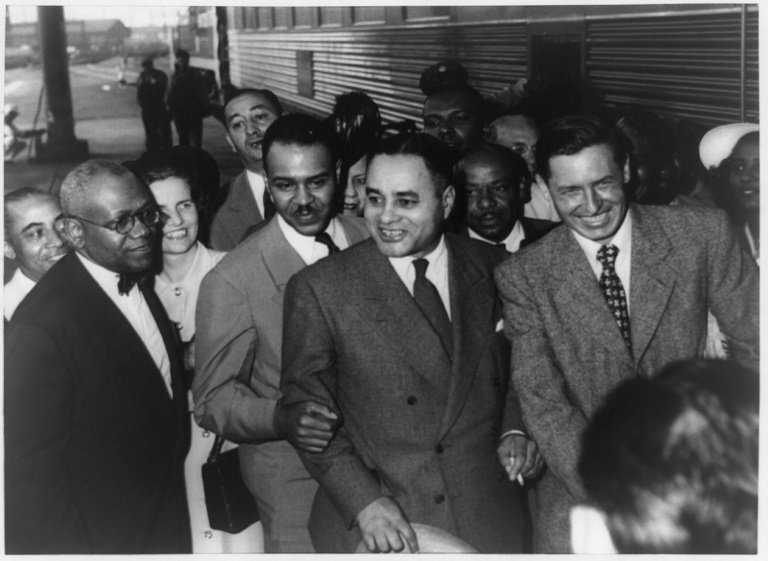
Civil Rights Tour: Protest - Ralph Bunche: 1510 Jackson Street NE
Ralph J. Bunche was among a group of young Howard University social scientists who focused on economic-based solutions for racial discrimination.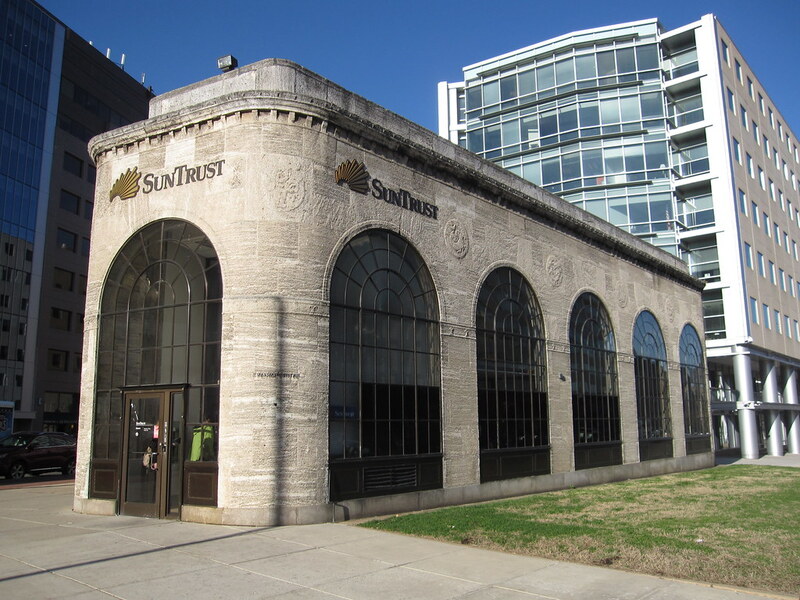
Civil Rights Tour: Protests - Childs Restaurant Sit-Ins: 2 Massachusetts Avenue NW
The distinctive stone building at the apex of Massachusetts Avenue and North Capitol Street was designed and built as a Childs Restaurant in 1925 to attract visitors—white visitors, that is—as they arrived in the city through nearby Union Station.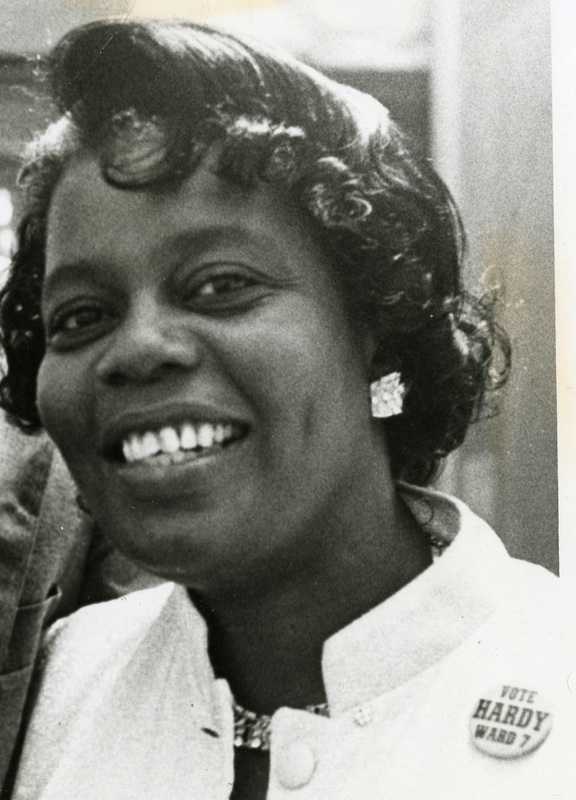
Civil Rights Tour: Protest - Willie Hardy, "Uninvited Woman Guest": 5046 Benning Road SE
"If I'm criticized, then I've been heard." (Willie J. Hardy)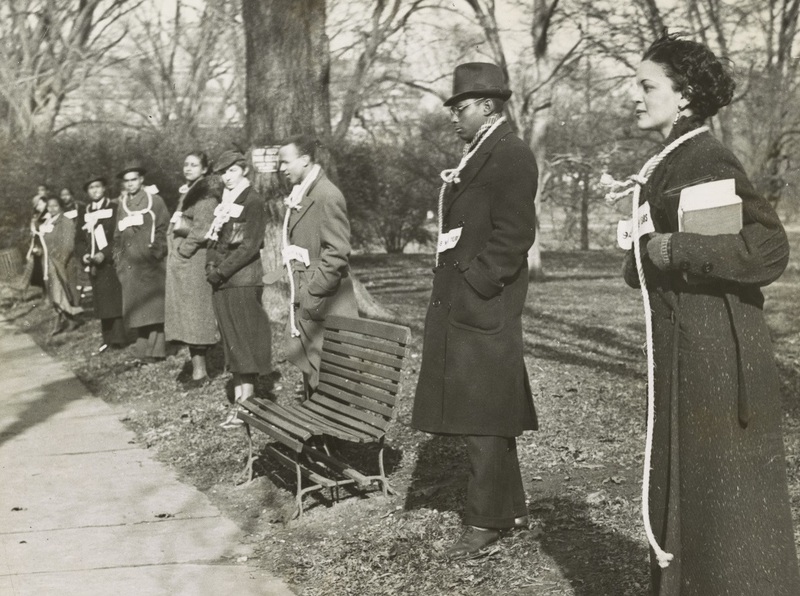
Civil Rights Tour: Protest - Howard University: 2400 6th Street NW
“We gonna lay down our shufflin’ shoes.” (Howard University student protestors, 1968)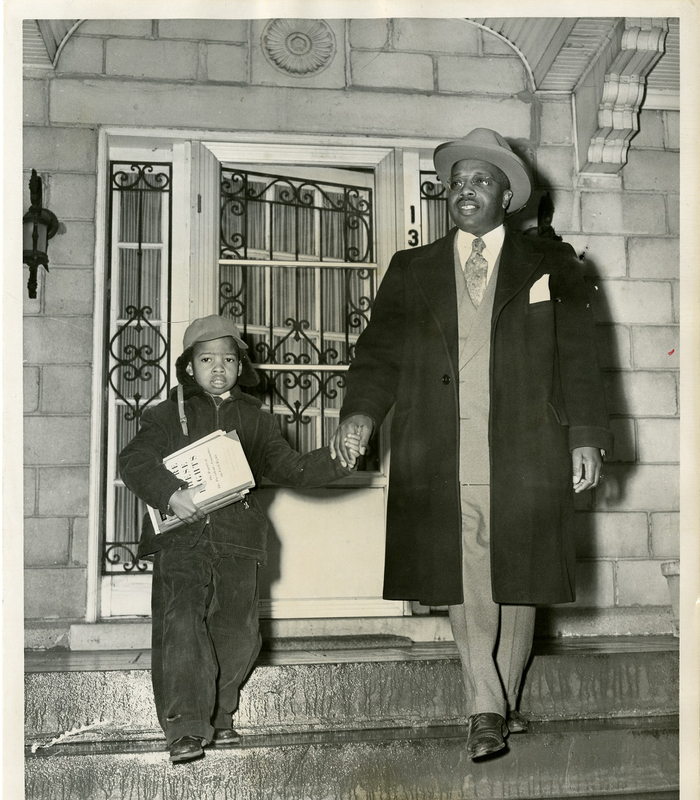
Civil Rights Tour: Protest - Bishop Smallwood Williams, Civil Rights Agitator: 1100 New Jersey Avenue NW
On February 9, 1954, Rev. Smallwood E. Williams stood up at a public meeting in a downtown church and called for the resignations of most members of the DC Board of Education, as well as of School Superintendent Hobart M. Corning. The board had recently voted 8-to-1 not to acknowledge inequalities in the dual school system, much less do anything about them.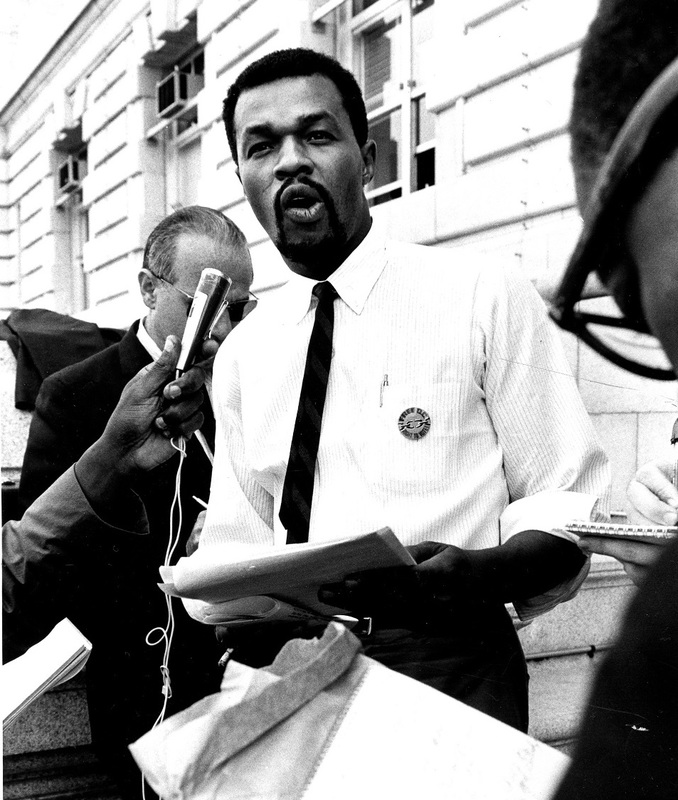
Civil Rights Tour: Protest - Marion Barry and the Student Nonviolent Coordinating Committee (SNCC): 107 Rhode Island Avenue NW
"We want to free DC from our enemies, the people who make it impossible for us to do anything about lousy schools, brutal cops, slumlords, welfare investigators who go on midnight raids, employers who discriminate in hiring, and a host of other ills that run rampant through our city."(Marion Barry Jr. to SNCC Executive Committee, 1966)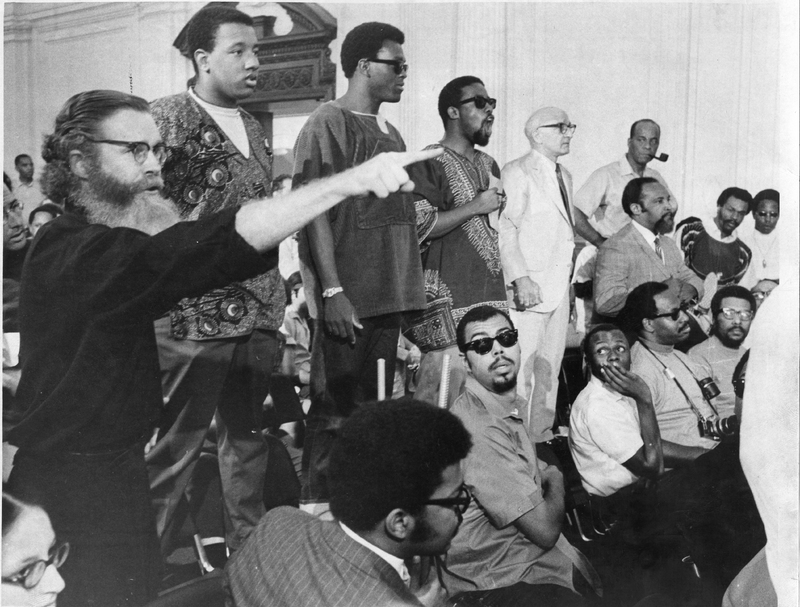
Civil Rights Tour: Protest - Reginald Booker, Anti-freeway activist: Luray Place NW
"I think I've been involved in every issue in the black community on the front lines."(Reginald Booker)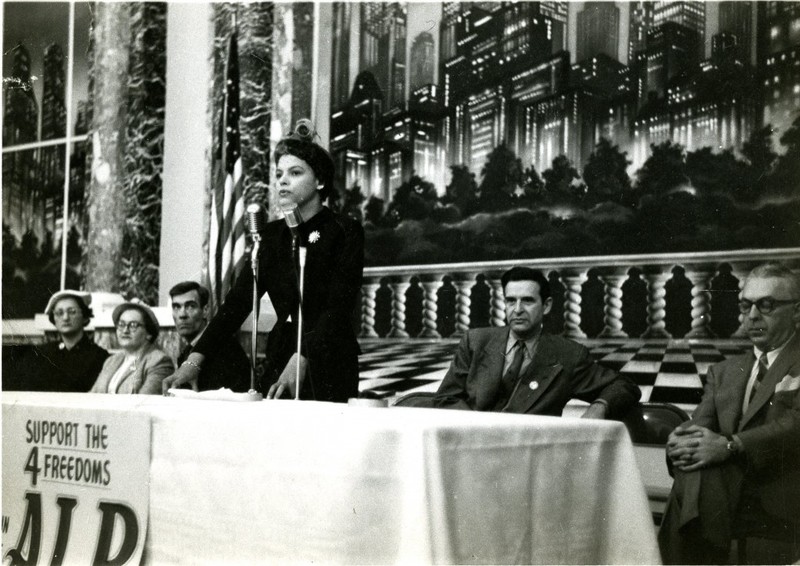
Civil Rights Tour: Protest - Thelma Dale (Perkins), Sojourner for Truth and Justice: 1269 Sumner Road SE
In the late 1940s, Barry Farm/Hillsdale native Thelma Dale (later Perkins) quit her government job to become national secretary of the National Negro Congress (NNC) in New York. As a Howard University…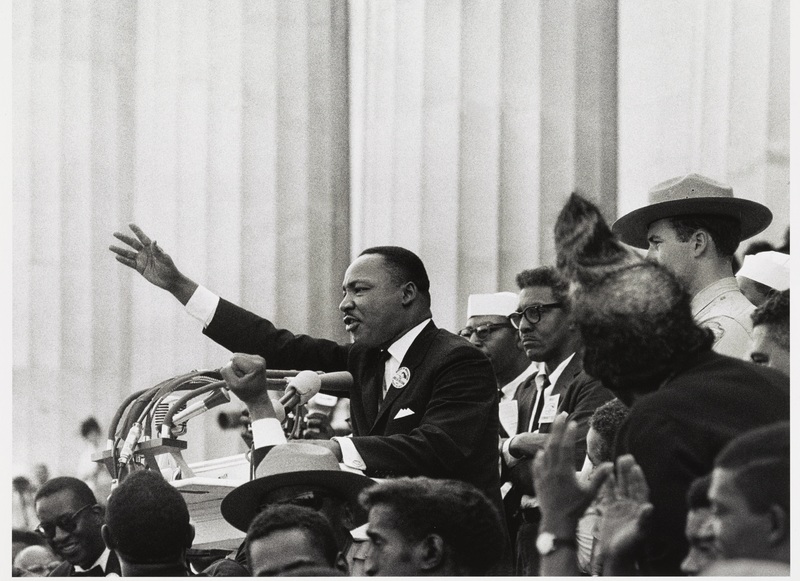
Civil Rights Tour: Protest - The Lincoln Memorial: The Lincoln Memorial
Since the dedication of the Lincoln Memorial in 1922, the larger-than-life-size, seated statue of the “Great Emancipator” has witnessed many milestones in the fight for civil rights. The dedication…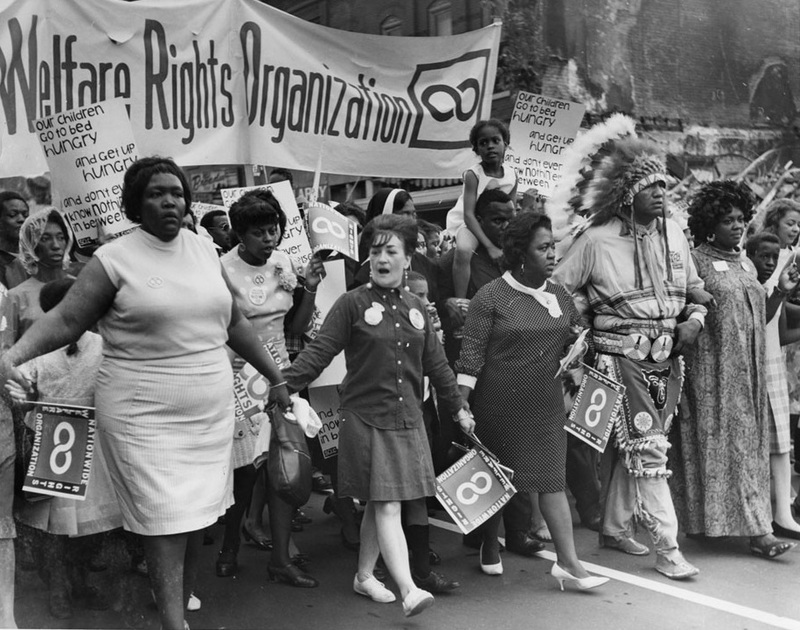
Civil Rights Tour: Protest - Poverty Rights Action Center, Welfare Rights: 1713 R Street NW
“There are more poor than rich people in this country, but Congress doesn’t seem to know it. If we organize, they’ll have to listen.” (Catherine Jermany, welfare rights organizer)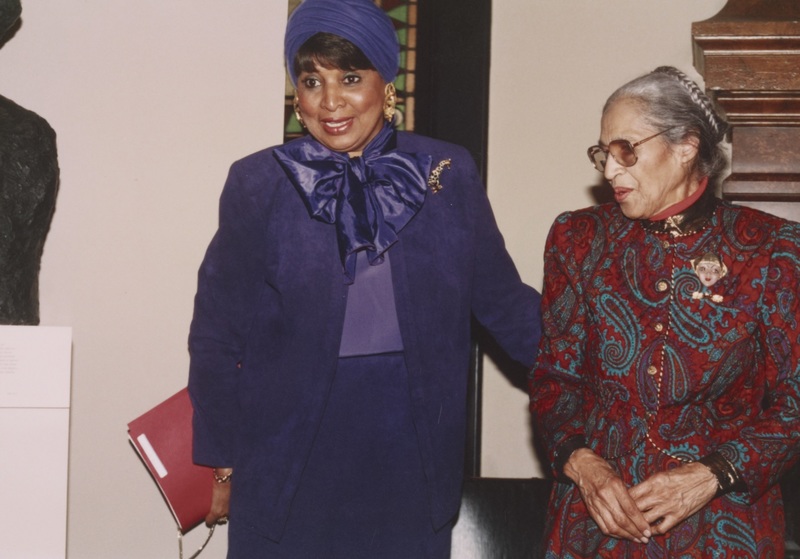
Civil Rights Tour: Protest - O Street Mansion, Rosa Parks' "Home Away from Home.": 2020 O Street NW
The O Street Mansion was the Washington home-away-from-home of civil rights icon Rosa Parks (1913-2005) during her later years. Already a seasoned organizer, activist, and member of the NAACP, Parks…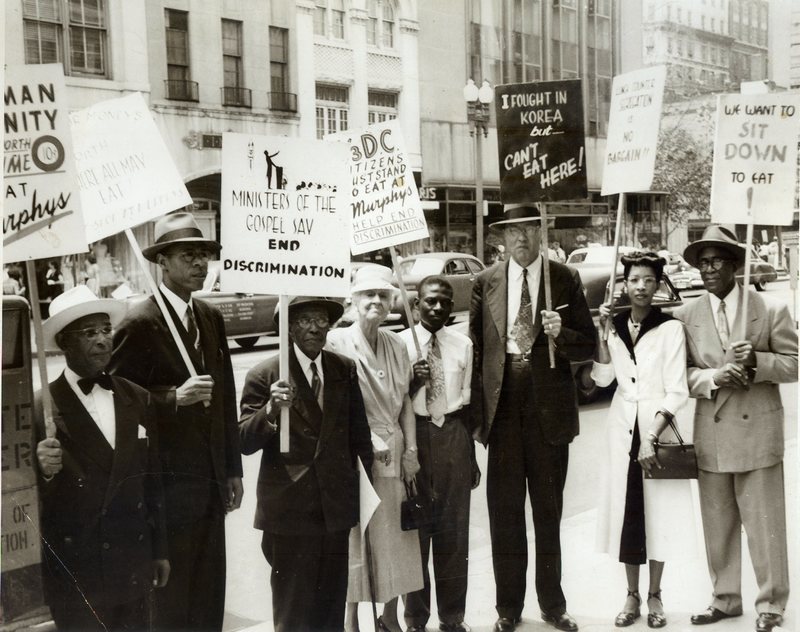
Civil Rights Tour: Protest - Thompson's Restaurant and the Lost Laws: 725 14th Street NW (Site)
In early 1950, Mary Church Terrell and other activists attempted to eat at Thompson’s Restaurant, a downtown cafeteria and one of many restaurants and eateries with a whites-only policy. The group was…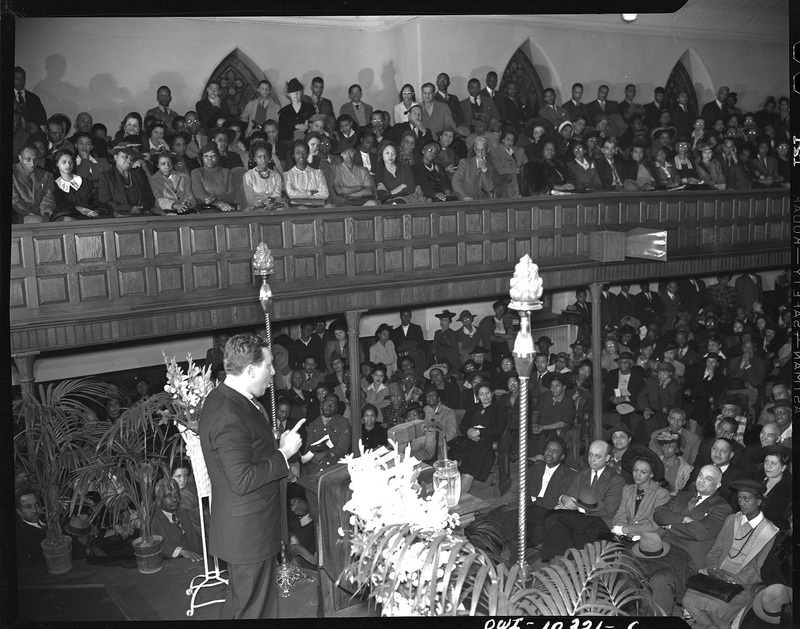
Civil Rights Tour: Protest - Vermont Avenue Baptist Church: 1630 Vermont Avenue NW
“If democracy is to live, segregation must die.” (Rev. Martin Luther King, Jr., Vermont Avenue Baptist Church, 1956)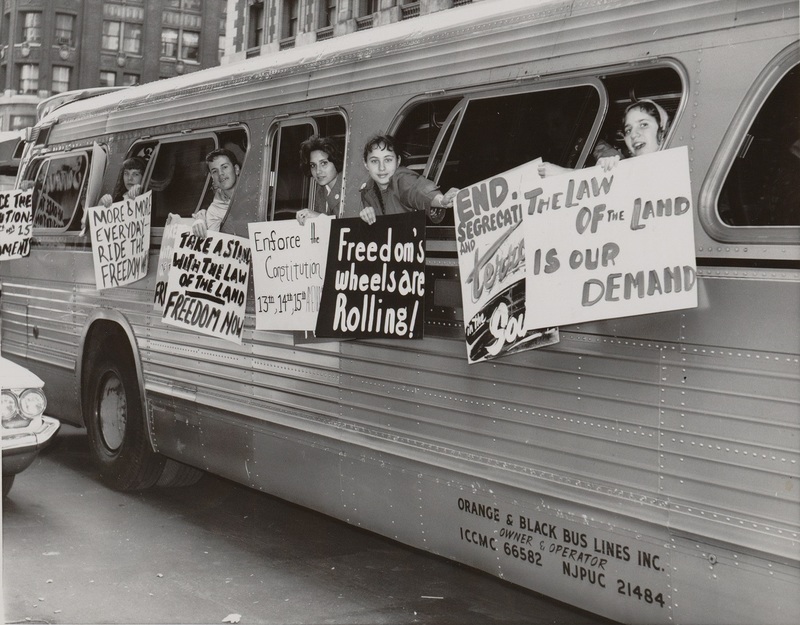
Civil Rights Tour: Protest - Freedom Riders: 1100 New York Avenue NW
In May 1961, at the former Greyhound Bus Station on New York Avenue NW, a group of activist volunteers boarded a bus to begin what would become a tumultuous and violence-filled “Freedom Ride 1961.”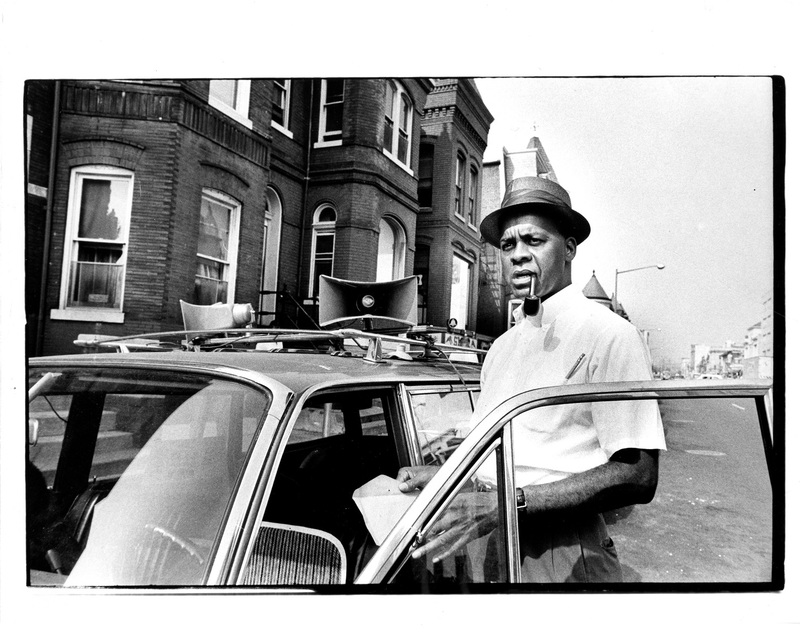
Civil Rights Tour: Protest - Julius Hobson, Iconoclast: 4801 Queens Chapel Terrace Road NE
"If we’re going to have civilization in Washington, we need more friction."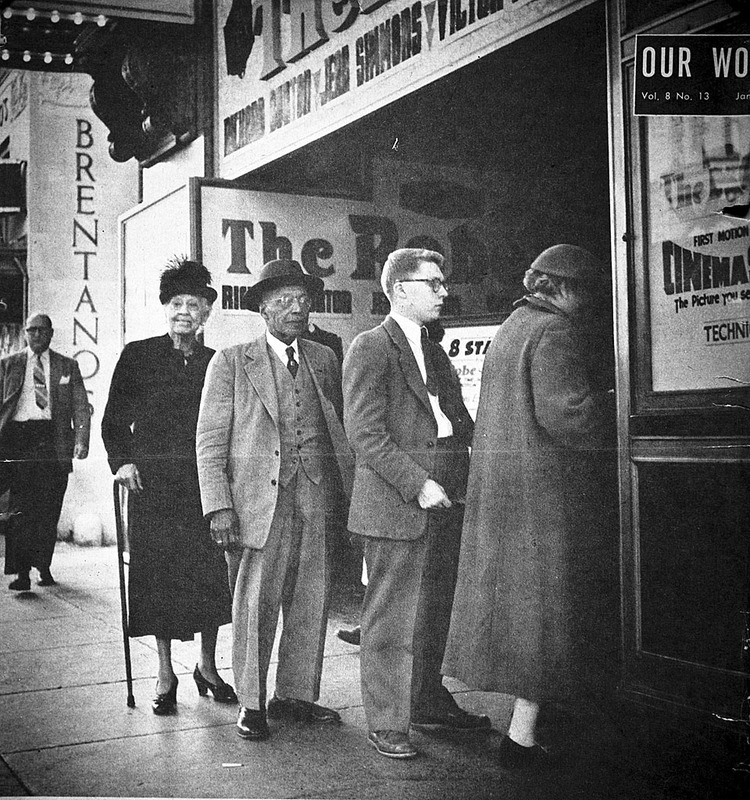
Civil Rights Tour: Protest - Mary Church Terrell, Tireless Advocate: 1615 S Street NW
"Suspected of 'Communist' is every colored person in America who believes in civil and political rights and proposes to get them, and every white person who thinks he ought to."(Mary Church Terrell, 1947)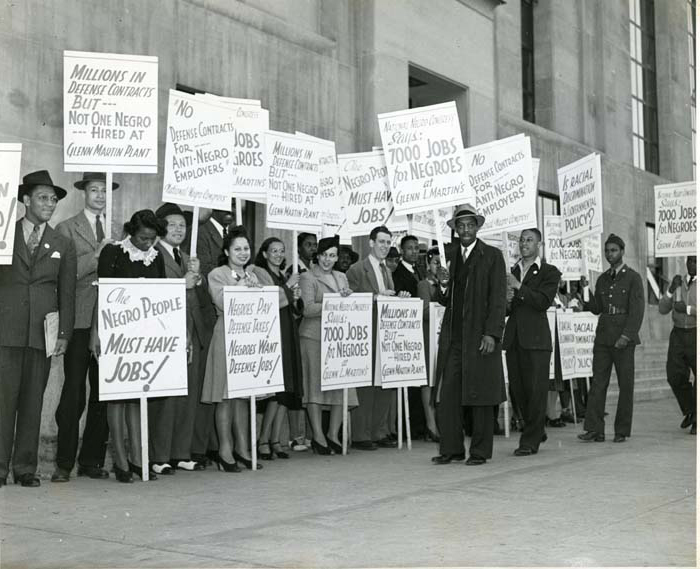
Civil Rights Tour: Protest - National Negro Congress, Demanding Change Through Direct Action: 717 Florida Avenue NW
"The persistent and forceful campaign which the Washington Council [of the National Negro Congress] and allied organizations have waged against police brutality in Washington has been one of the most significant battles for civil rights and personal freedom and security ever conducted in the District of Columbia." (Charles Hamilton Houston)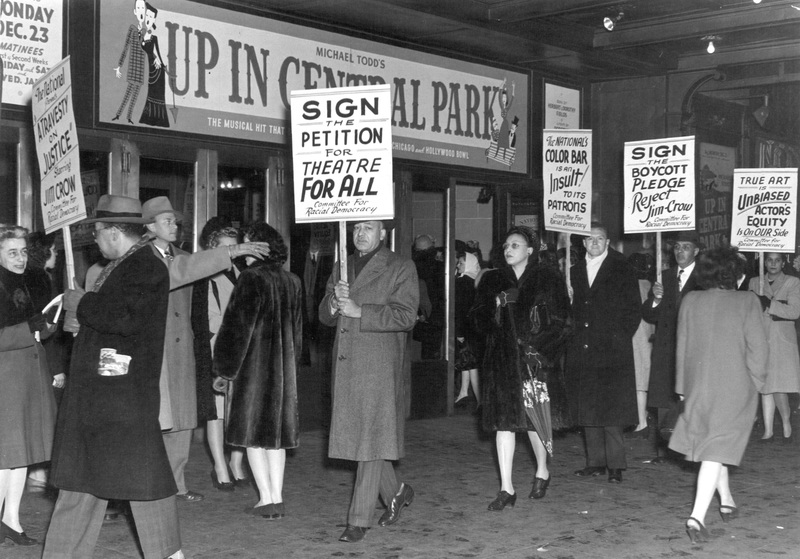
Civil Rights Tour: Protest - National Theatre Goes Dark: 1321 Pennsylvania Avenue NW
“The National Theatre of Washington has the bold affront to bring to the District of Columbia a show, ‘The Green Pastures,’ played entirely by a cast of our own people, with the definite understanding that no known Negro can enter that theatre and see it.” (Rev. R.W. Brooks, Letter to the Editor, Baltimore Afro-American, 1933)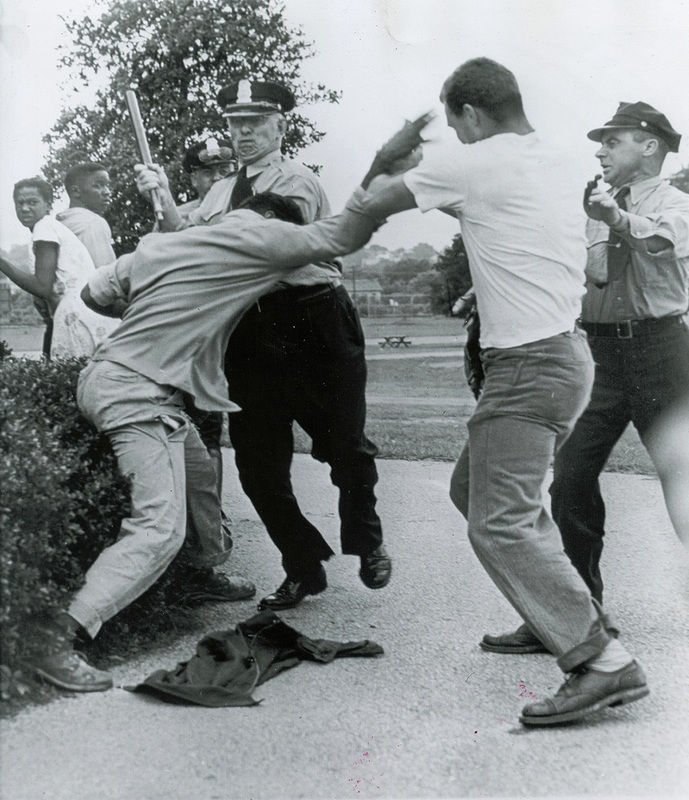
Civil Rights Tour: Recreation - Anacostia Pool, Swimming for All: 1800 Anacostia Drive SE
As summer began in 1949, African American residents of far Northeast and Southeast looked forward to finally having access to a swimming pool on their side of the Anacostia River.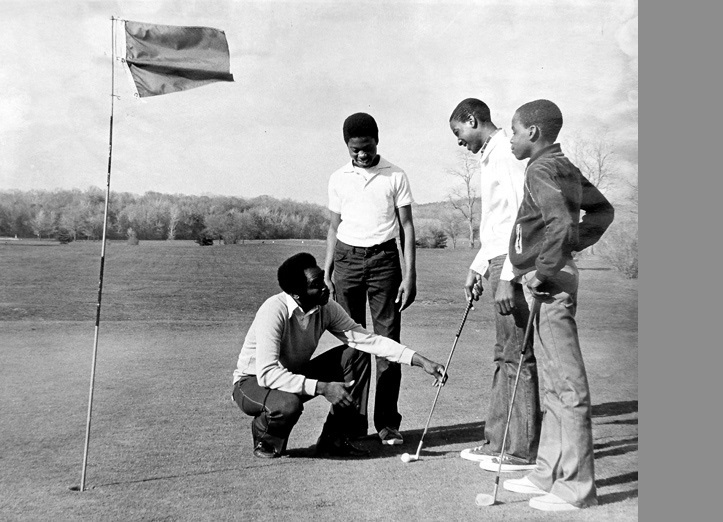
Civil Rights Tour: Recreation - Langston Golf Course: 2600 Benning Road NE
“They are tax payers, they are citizens, and they have a right to play golf on public courses on the same basis as whites. To be sure, we have maintained a golf course for Negroes in Washington, but the cold fact is that we have not kept it up and it is not surprising that Negroes do not care to play on it…” (Harold Ickes, Secretary of the Interior, 1941)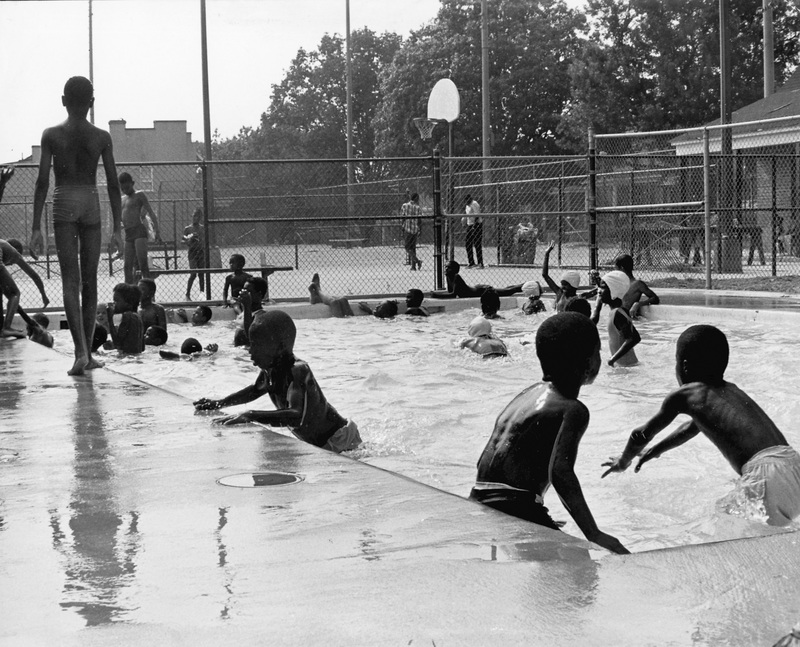
Civil Rights Tour: Recreation - Park View Playground: 693 Otis Place NW
In the late 1940s, Park View Playground—an all-white facility in an increasingly Black neighborhood—was one of a few playgrounds selected by the Board of Recreation for racial integration. This experiment, pushed for by residents of the community, was the first step in the slow process towards full integration of the city’s playgrounds several years later.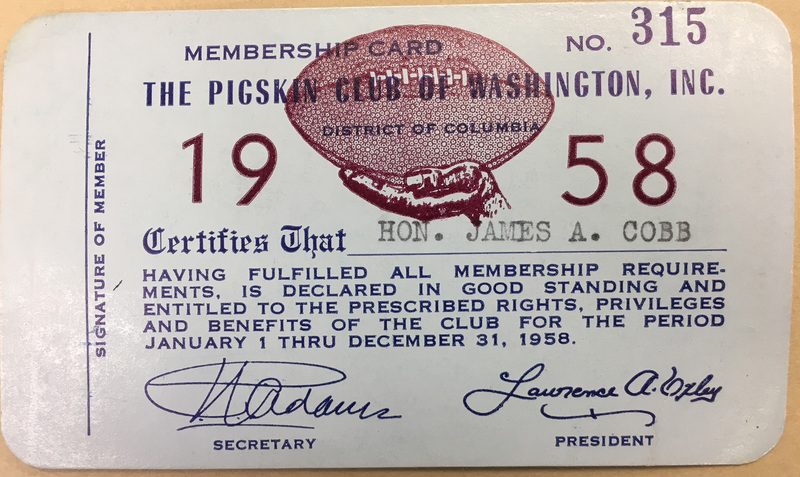
Civil Rights Tour: Recreation - Pigskin Club, Football, Friendship and Civil Rights: 1842 15th Street NW
The Pigskin Club was founded by Dr. Charles B. Fisher on July 30, 1938, as a social organization of men who had participated in or contributed to collegiate football. A similar club, the Touchdown…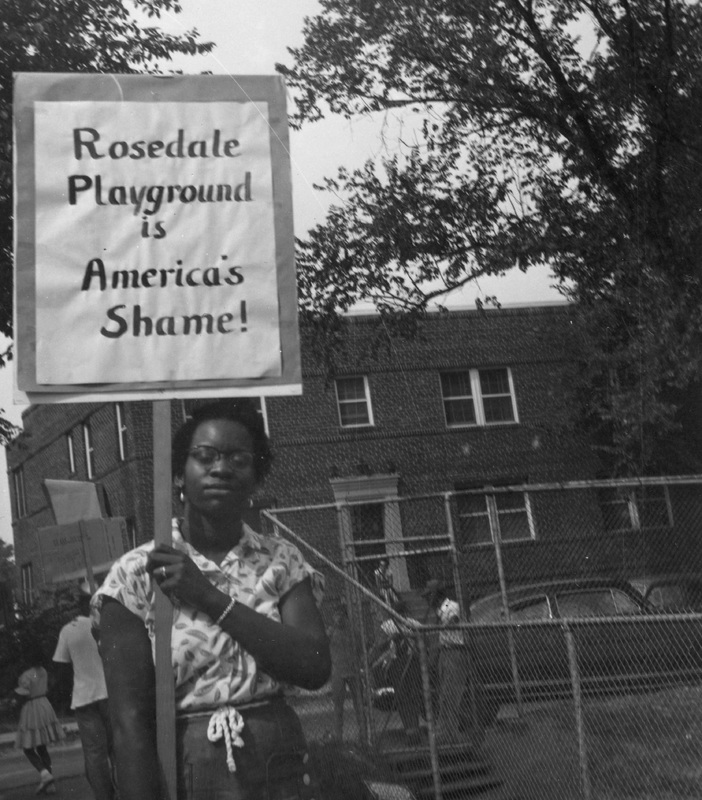
Civil Rights Tour: Recreation - Rosedale Playground: 1701 Gales Street NE
Rosedale Playground opened in 1913, yet it was restricted to whites only in a neighborhood where Black families had been living since the late nineteenth century. As the Black population in the neighborhood grew, this “public” facility became off-limits to an increasing number of area residents, including children who lived virtually next door to it.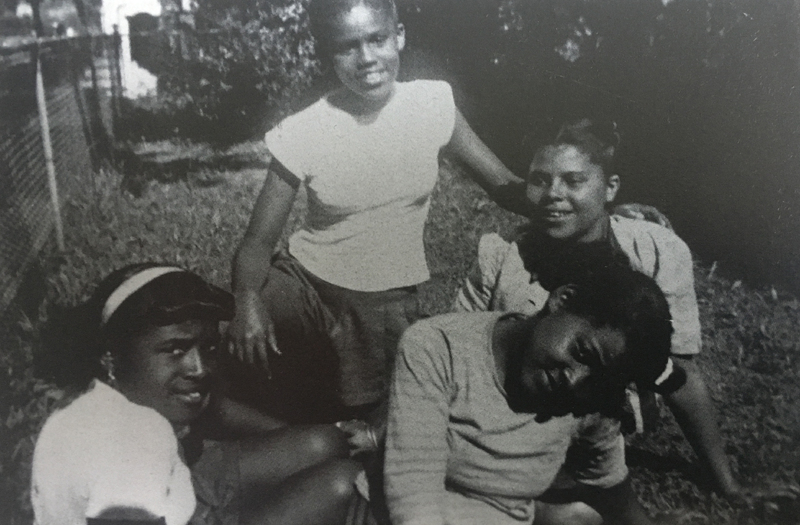
Civil Rights Tour: Recreation - Rose Park Playground: 2609 Dumbarton Street NW
Rose Park Playground was one of the first playgrounds in the District to be racially integrated. It was part of an official experiment in interracial recreation organized in 1949 by the American Friends Service Committee.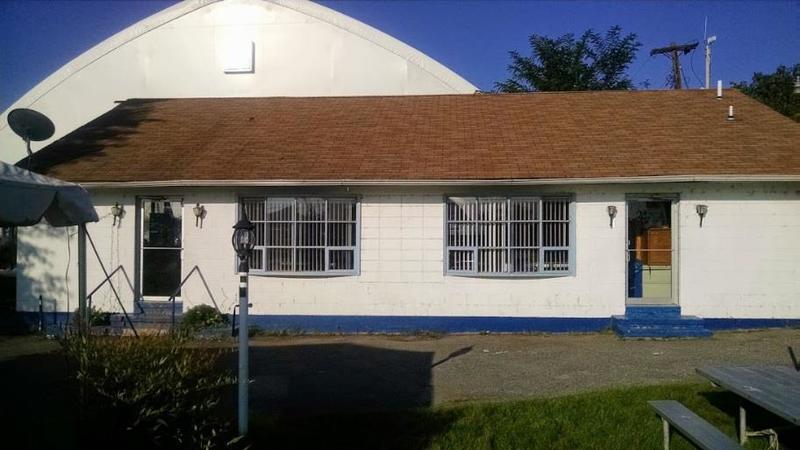
Civil Rights Tour: Recreation - Seafarers Yacht Club: 1950 M Street SE
The Seafarers Yacht Club of Washington, DC, established in 1944, is the oldest African American boat club on the East Coast and represents a step in the long process of equal access to public facilities.
Civil Rights Tour: Recreation - Uline Arena and E.B. Henderson: Third and M Streets NE
Uline Arena became the largest venue in the city for sports events when it opened in 1941, but its whites-only policy in an increasingly Black city, and in a neighborhood where many African Americans…Tour curated by: DC Historic Preservation Office