Riding the C51? (From Anacostia Historic District to Tenleytown)
The C51 Metrobus route connects Southeast Washington to Northwest Washington — specifically, the Anacostia and Tenleytown neighborhoods.
The C51 starts its journey in the Anacostia Historic District, which was one of DC's first historic districts, dating back to 1973. The historic district famously includes Frederick Douglass's home, Cedar Hill, which encompasses expansive views of the city and is now a National Historic Site. After crossing the Anacostia River, the bus moves northeast along Potomac Avenue SE before turning northwest and traveling along Massachusetts Avenue through the Capitol Hill Historic District, DC's largest historic district.
The bus continues past Union Station, including Metro's Red Line, before turning onto New Jersey Avenue NW and then Florida Avenue NW at the LeDroit Park Historic District, an early streetcar suburb. As Florida Avenue turns into U Street NW, the route continues past important landmarks connected to "Black Broadway," the name given to U Street when it was the heart of Washington's Black culture and entertainment. These landmarks include the Howard and Lincoln theaters, amongst many others. Native Washingtonian Duke Ellington is just one artist who performed at venues in this neighborhood.
The C51 then moves through Adams Morgan, where the 18th Street NW commercial strip is a popular, late night and weekend spot for locals, who congregate at the many restaurants and bars — and enjoy a slice (or two!) of jumbo slice pizza. The bus then travels across Rock Creek Park and over (once again) the Red Line in Woodley Park.
After passing by the monumental Gothic architecture of the Washington National Cathedral, the C51 turns onto the last major thoroughfare of its cross-city route, Wisconsin Avenue. The bus passes by various landmarks, including the Williamsburg-inspired City Ridge development — the former home of the Equitable Life Insurance Company and Fannie Mae — the Grant Road Historic District, which is a remnant of rural Washington, and the one-time Sears, Roebuck, & Company in Tenleytown. This neighborhood is also the home of Fort Reno Park, the highest point in the District, and the former site of a Civil War era defense. The green space is adjacent to the Jesse Reno School, a physical reminder of Reno City, a once thriving African American community that was demolished, leading to the displacement of its residents.
This tour hopes to draw your attention to the historic and architecturally-significant gems along the C51 Metrobus route. Start at the historic site that’s closest to you! If you’re traveling northwest on the C51, click “Next” to follow along. If you're traveling southeast, click “Previous.”
Sites 48
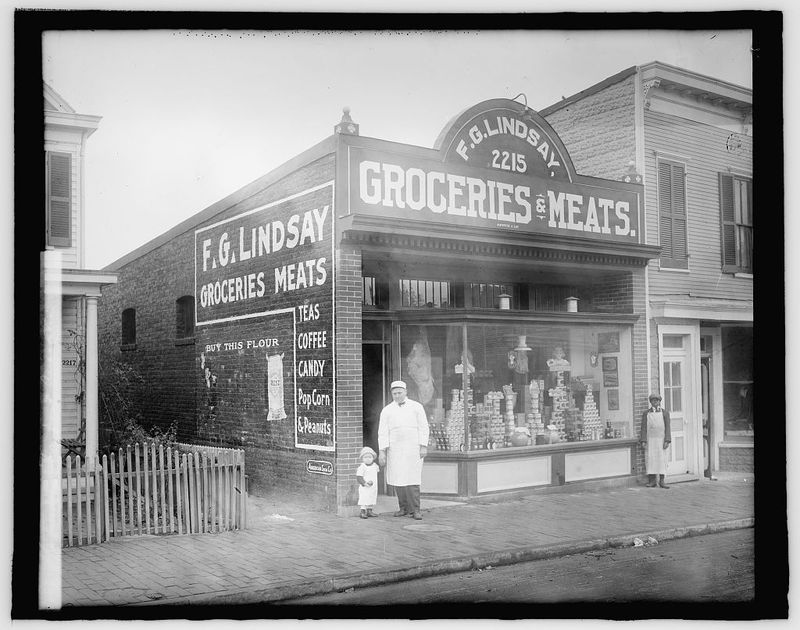
Anacostia Historic District
Initially incorporated under the name Union Town, Anacostia began as a working-class community removed from the city and dominated by Navy Yard employees. In the latter half of the nineteenth century,…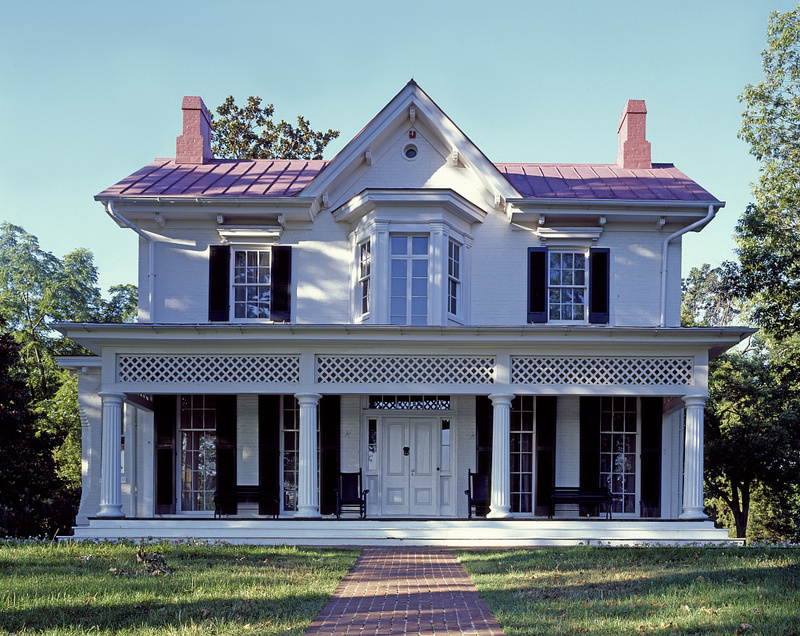
Frederick Douglass National Historic Site: The legacy of abolitionist and civil rights activist Frederick Douglass is preserved at his former residence in Anacostia.
"The American people have this lesson to learn: that where justice is denied, where poverty is enforced, where ignorance prevails, and where any one class is made to feel that society is an organized conspiracy to oppress, rob, and degrade them, neither persons or property will be safe." Frederick Douglass in a speech commemorating the 24th anniversary of emancipation in Washington DC ("Southern Barbarism")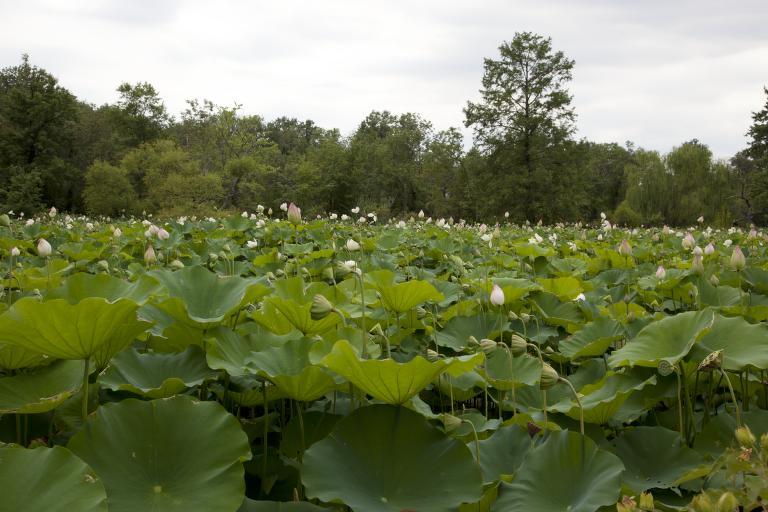
Anacostia Park: Deeply rooted in history, this park has seen many times and many lives.
Anacostia Park’s history is steeped in the relationship between the land and the people that shape it. From the Native peoples, such as the Nacotchtanks who lived for more than 10,000 years along the…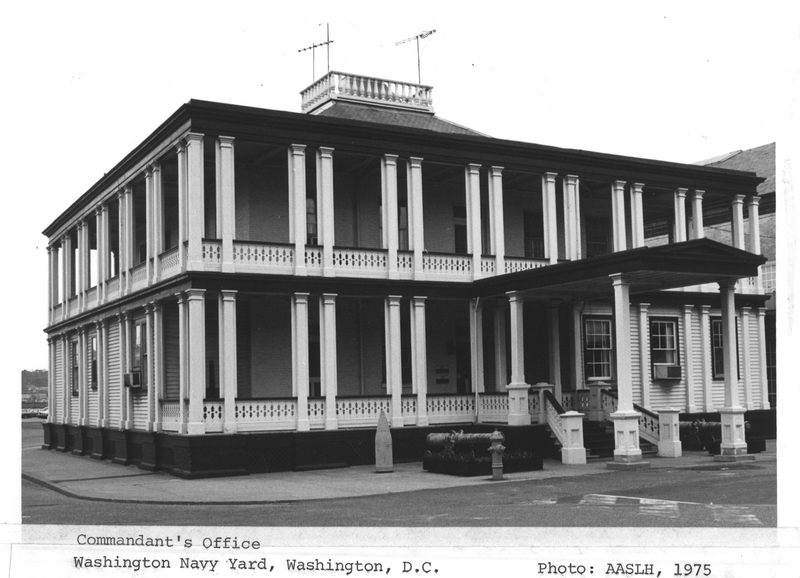
Washington Navy Yard Historic District: An important site for naval operations, the Washington Navy Yard's growth reflects the history of American naval conflicts.
The nation's first naval yard and first home port began development in 1799 and eventually became the center for naval operations during a critical period of expanding nationalism in the early 19th…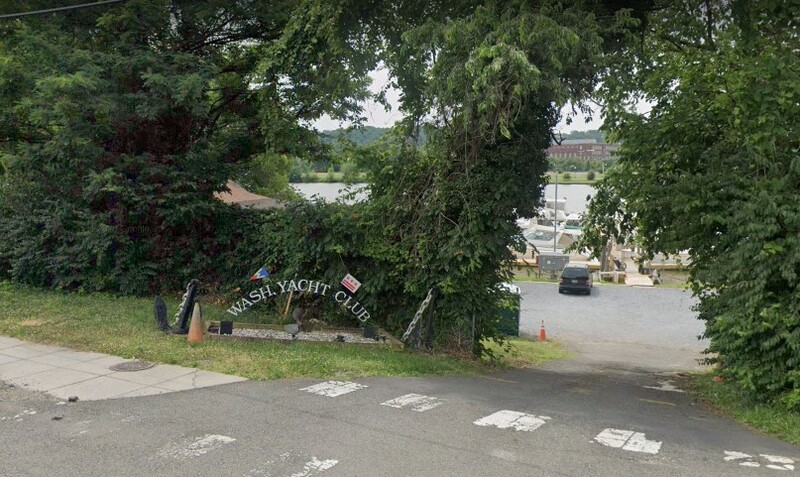
Washington Yacht Club: The Washington Yacht Club serves as a steward of the Anacostia community and proudly welcomes all.
The Washington Yacht Club (WYC) was founded in 1910 by a group of white Washingtonian boaters, looking to establish affordable facilities along the Anacostia River in proximity to their homes on the…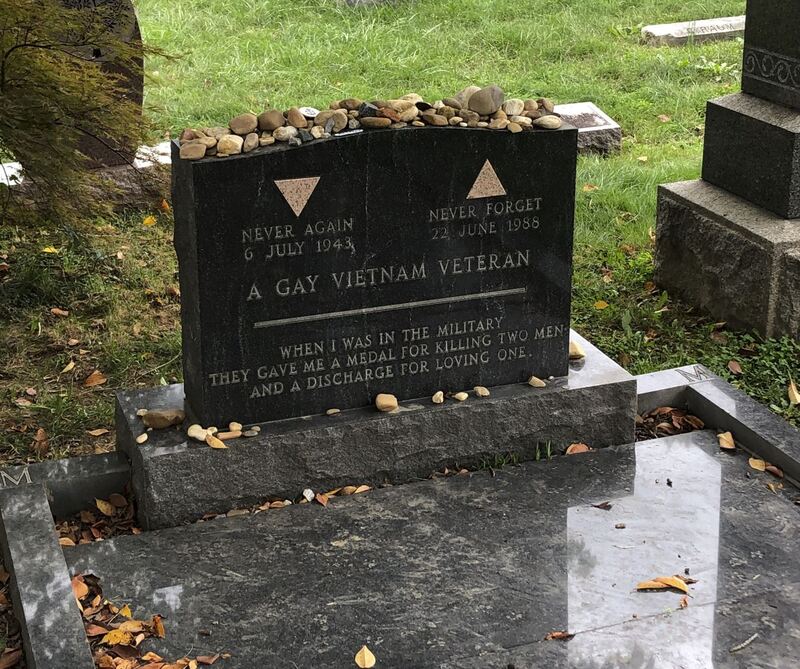
Congressional Cemetery Historic District: This graveyard is among the most notable resting places for early American historical figures and has since become important to the LGBTQ+ community.
The original four and one-half acre tract of Congressional Cemetery was purchased from the Government for $200 on April 4, 1807 as a private burial ground. On March 30, 1812, several years after…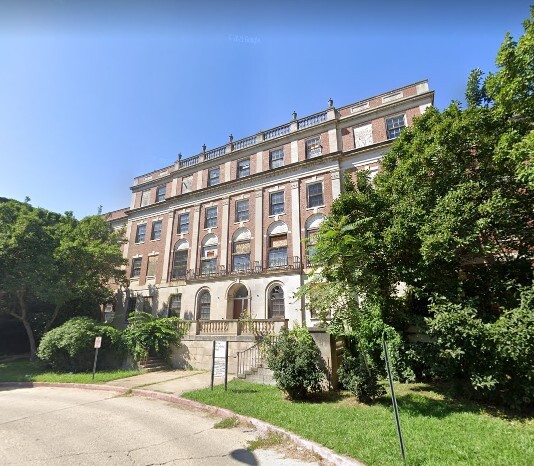
Anne Archbold Hall (Gallinger Hospital Nurses’ Residence): Built in 1932 as part of Gallinger Hospital, Anne Archbold Hall housed many of DC's nurses and nurses-in-training.
Anne Archbold Hall was built in 1931-32 as the Nurses’ Residence of the Gallinger Municipal Hospital (later, Gallinger Memorial and ultimately D.C. General Hospital), which was a major teaching…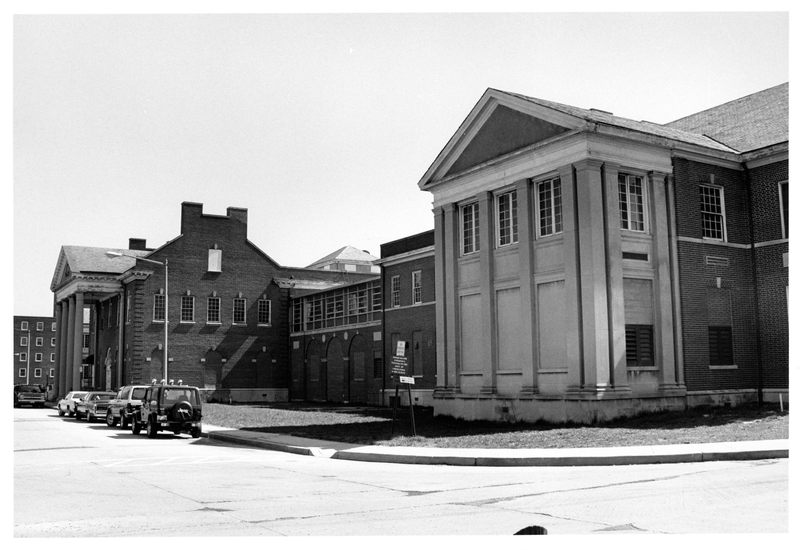
Gallinger Municipal Hospital Psychopathic Ward (ca.1920-ca.1990): Gallinger Municipal Hospital Psychopathic Ward illustrates the local expansion of psychiatry beyond institutional walls.
Prior to 1900, the administration and distribution of humanitarian aid in DC was largely dependent on private philanthropic organizations who received federal aid to provide these services. The…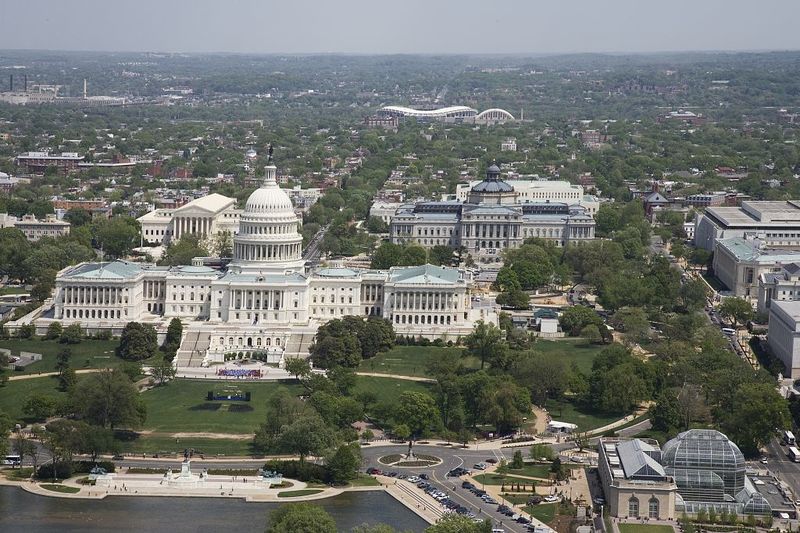
Capitol Hill Historic District: One of the city's oldest neighborhoods, Capitol Hill offers a window into the social and economic history of the city through its architectural diversity.
The Capitol Hill Historic District, which encompasses approximately 8,000 contributing buildings, grew from a small boarding house community for members of Congress to an area of more than 150 squares…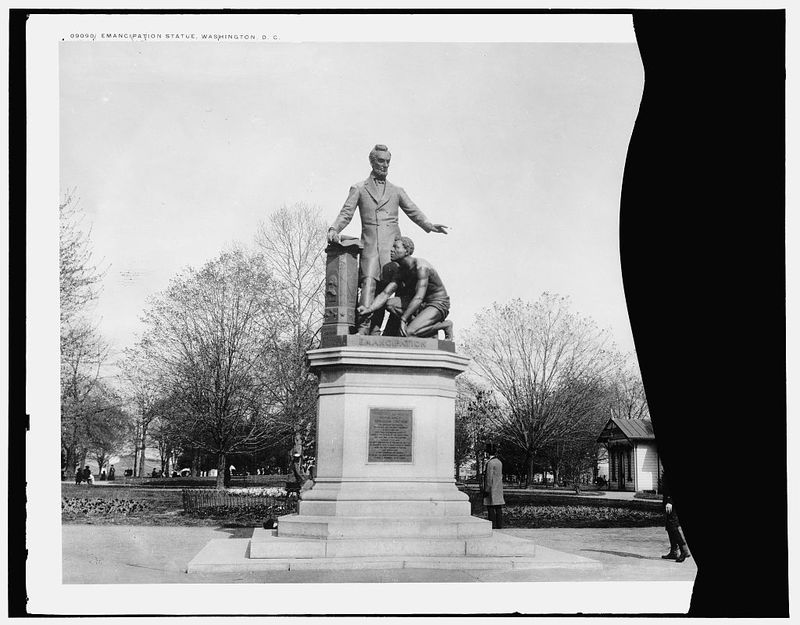
Emancipation Monument: This memorial to Abraham Lincoln, DC's first, was funded entirely by formerly enslaved men and women.
Financed entirely by contributions from formerly enslaved men and women, the Emancipation Monument was the city’s principal memorial to Abraham Lincoln until 1922. The inscription records that…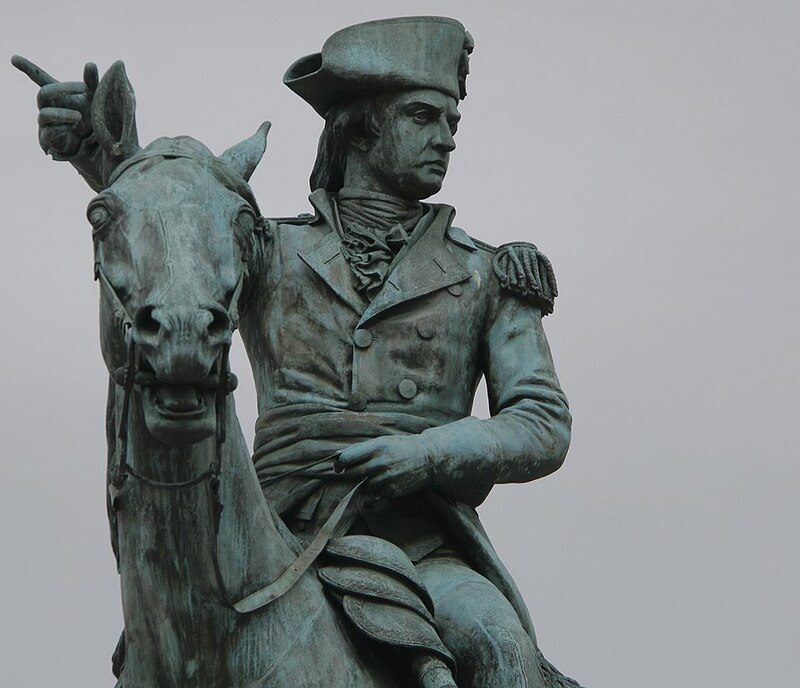
Nathanael Greene Statue: This statue honors one of the American Revolution's most successful generals.
Dedicated in 1877, this bronze equestrian memorial honors Major General Nathanael Greene, a Revolutionary War general and commander of the Southern Department of the Continental Army. Greene sits…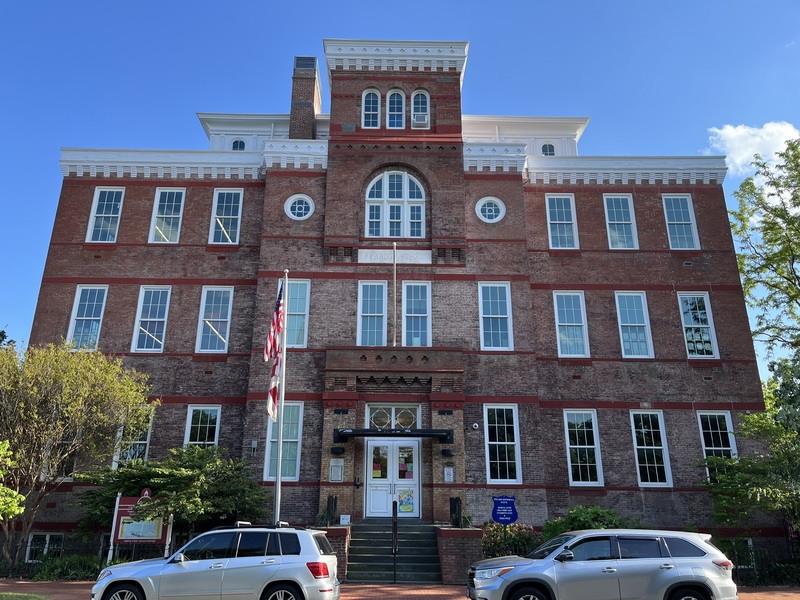
George Peabody School: This school exemplified shifting architectural trends in public school buildings in accordance with the population growth.
With a continually expanding population, the Office of the Building Inspector saw an increasing need to build school buildings to accommodate students. Constructed from 1879 to 1880, the George…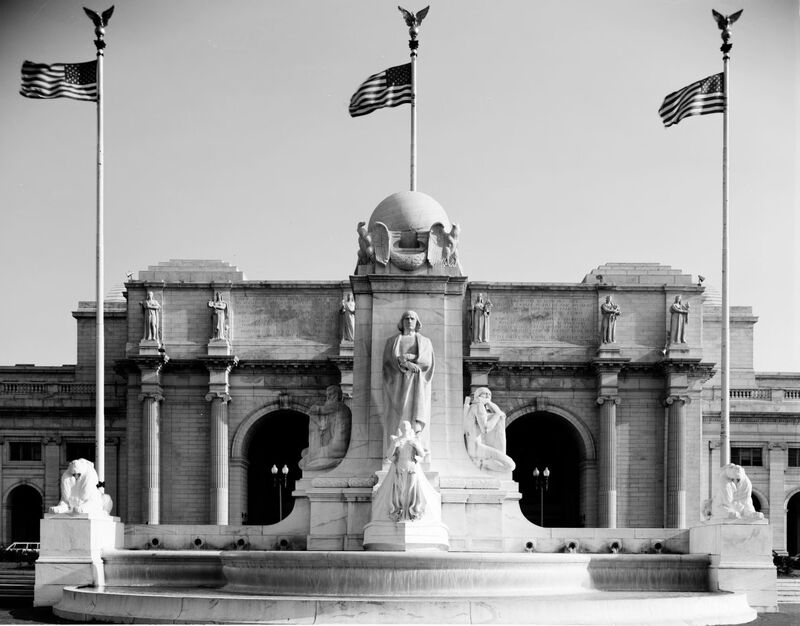
Columbus Fountain and Plaza: This fountain and plaza mark the entrance to Union Station.
The Columbus Fountain tells the story of the explorer’s journey from Europe to the Americas in 1492. With multiple symbolic figures throughout its design, the fountain takes center stage at its…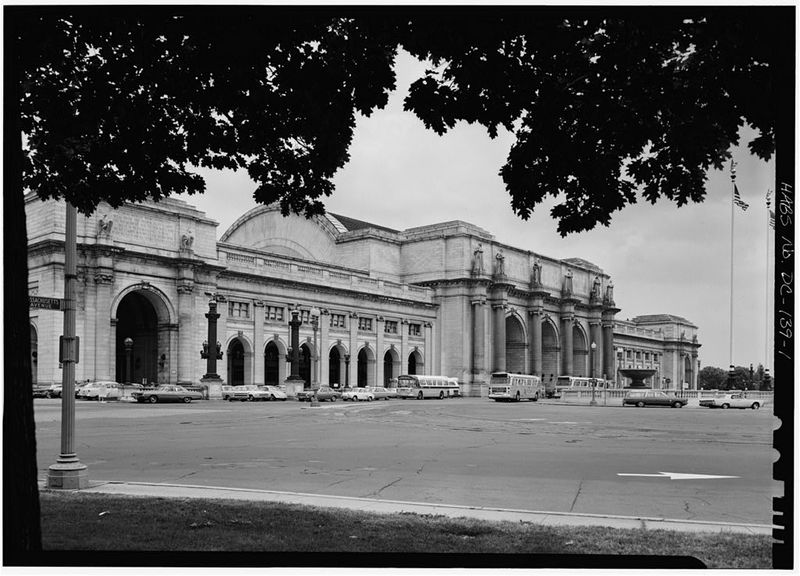
Union Station and Plaza: This grand train and bus terminal became the gateway to the nation's capital upon its opening in 1907.
One of the first great union terminals, this imperial station with its vast interior spaces was the cornerstone of the McMillan Commission’s efforts to revive Pierre L’Enfant’s original plan of the…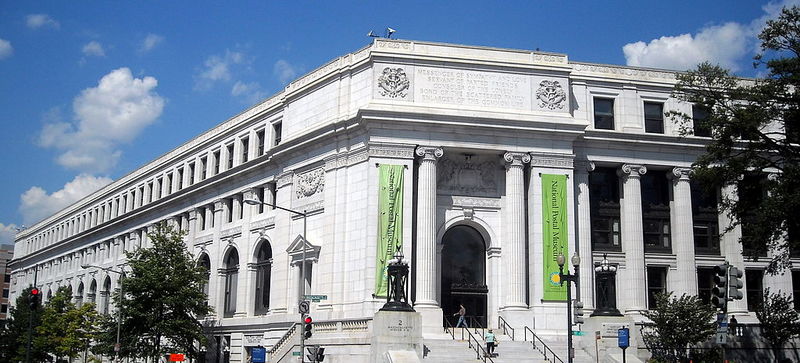
City Post Office: Built between 1911 and 1914, the Washington City Post Office exemplifies Beaux Arts architecture.
The grand, Beaux Arts-style Washington City Post Office, built between 1911 and 1914, is notable both for its individual design as a monumental public service building and for its important…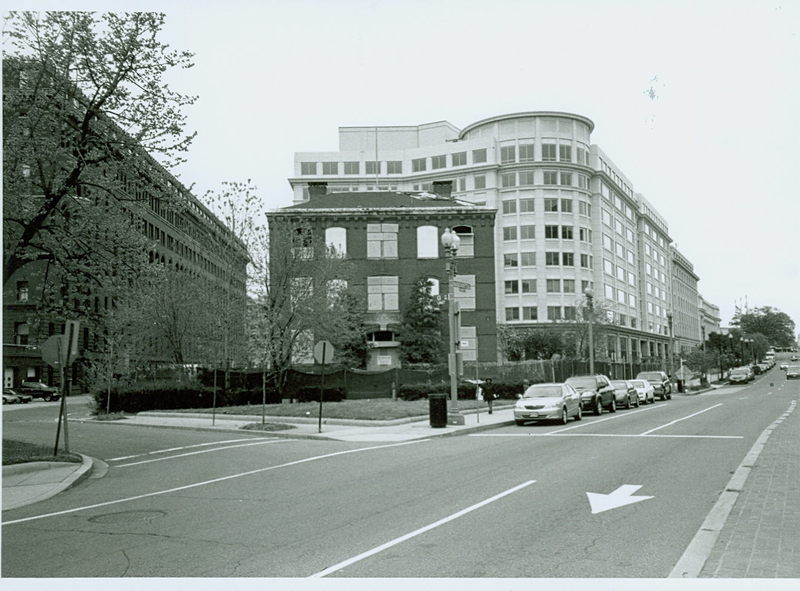
Joseph Gales School: The twelve-room schoolhouse is one of few buildings to survive from Swampoodle, the old largely Irish and Italian working-class neighborhood around the Government Printing Office.
Named after Washington, DC’s 8th mayor and owner of the National Intelligencer newspaper, the Joseph Gales School has served many purposes throughout its lifetime. Originally built in 1881, the…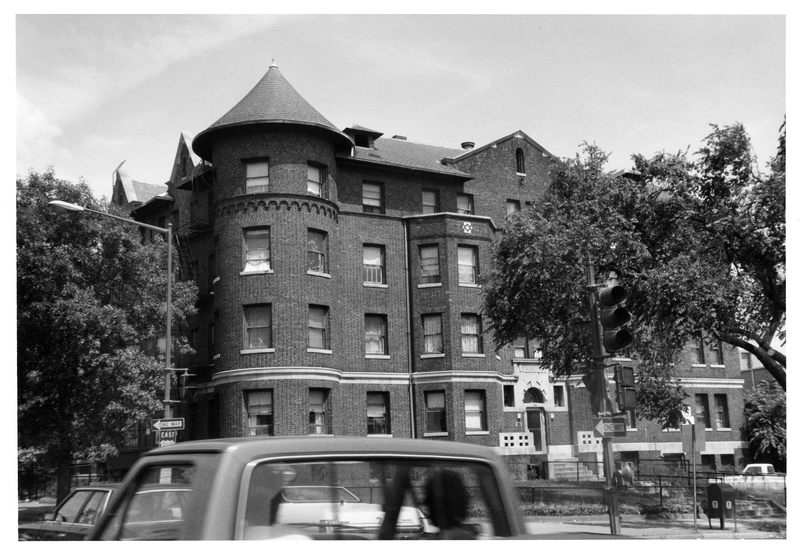
The Augusta Apartment Building: The mansion-like Augusta was an early attempt to improve the stature of apartment living for DC's middle class.
Built in 1900, The Augusta Apartment Building was a part of DC's first wave of construction for apartment buildings, with Arthur B. Heaton as its main architect. Its mansion-like appearance allowed it…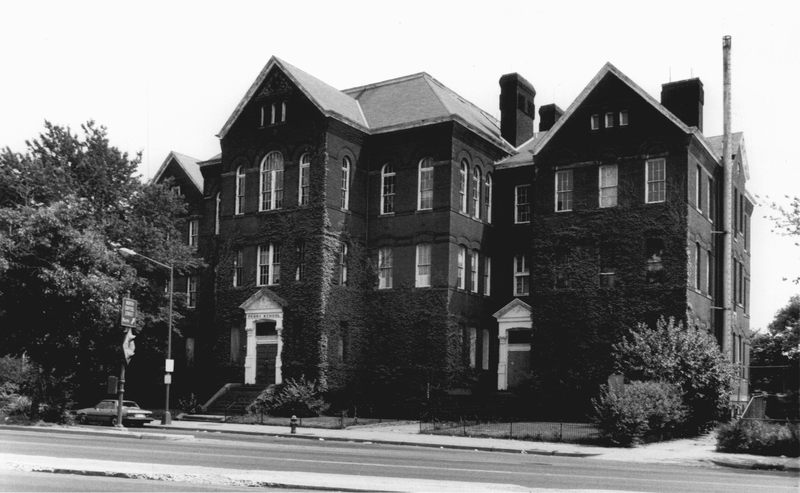
M Street High School (Perry School): M Street High School was one of the nation’s first high schools for African Americans and represents an important development of Washington’s education system.
Founded in 1870 as the Preparatory High School for Colored Youth, M Street High School navigated multiple makeshift locations until 1890 when Congress earmarked $112,000 for the construction of a…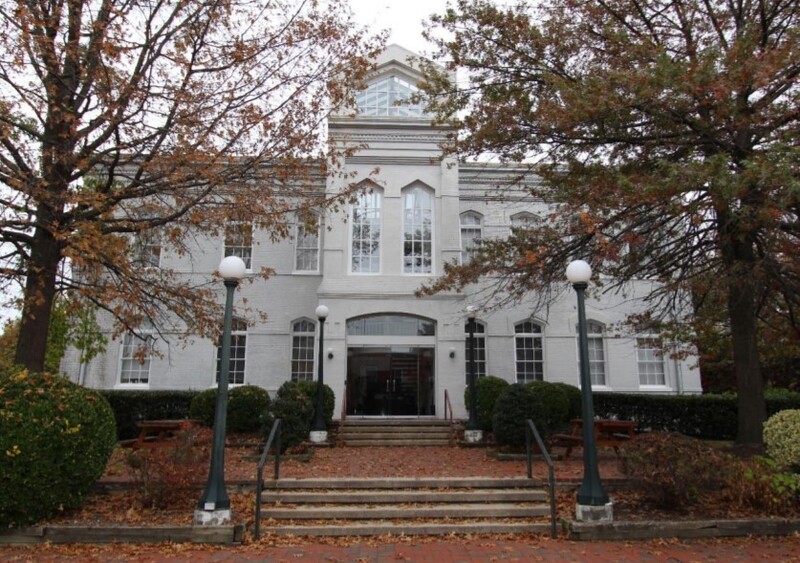
Morse School: Morse Elementary School is a significant property in the history of DC’s public schooling efforts in the 20th century.
Located in the Shaw neighborhood of Washington, DC, the Morse School served many purposes after its opening in 1883 as an elementary school that exclusively served white children. Designed by an…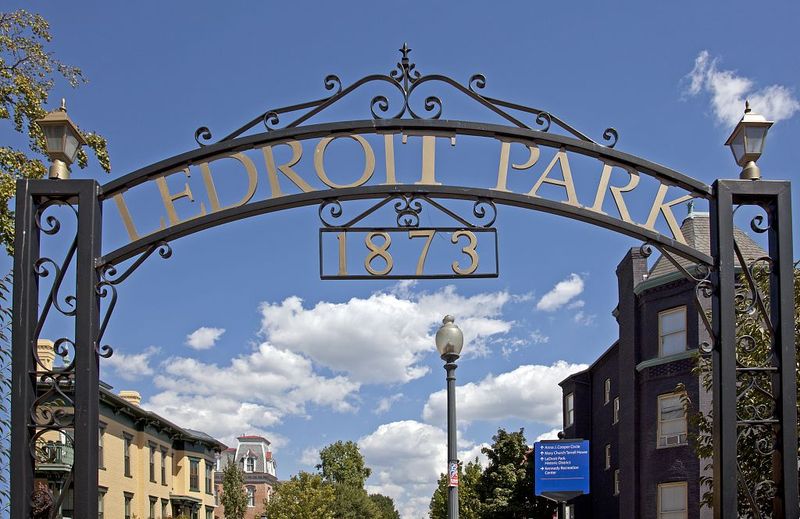
LeDroit Park Historic District: The subdivision of LeDroit Park is located in the northwest sector of the city, to the south of Howard University, and just north of Florida Avenue, the original L'Enfant boundary.
Established in 1873, LeDroit Park represents an important aspect of the development of Washington. It is an early example of a planned, architecturally unified subdivision. This development of…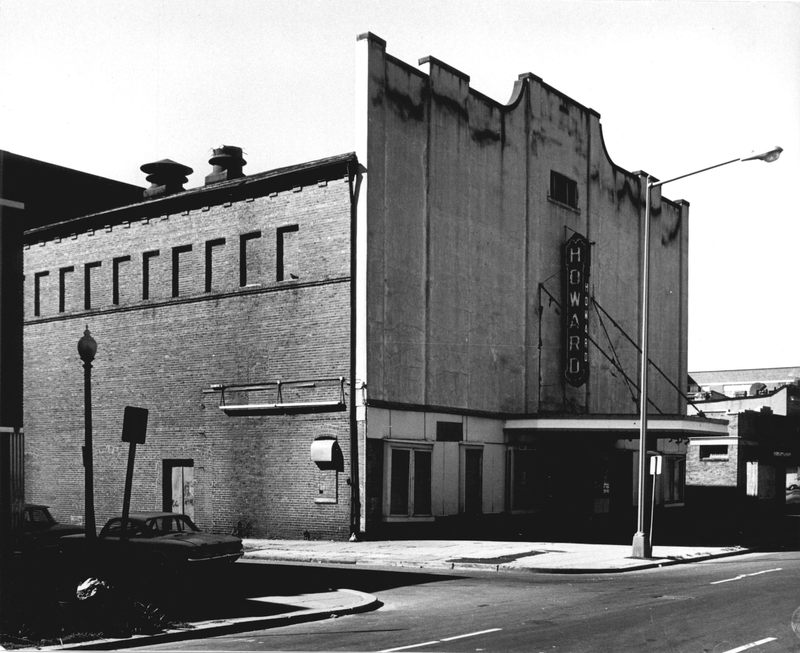
Howard Theatre: Built in 1910, the Howard Theatre remains an important site for Black talent and entertainment.
Built in 1910, the Howard Theatre is one of the oldest theaters in the country that not only served Black audiences but provided a space for Black performers. For more than five decades of the…
Southern Aid Society Building (Dunbar Theater): This mixed-use building once served as a life insurance company and a cinema.
While Black architect Isaiah T. Hatton (1883-1921) designed the building in the Italian Renaissance Revival style, Reginald W. Geare (1889-1927) designed the movie theater on the first floor of the…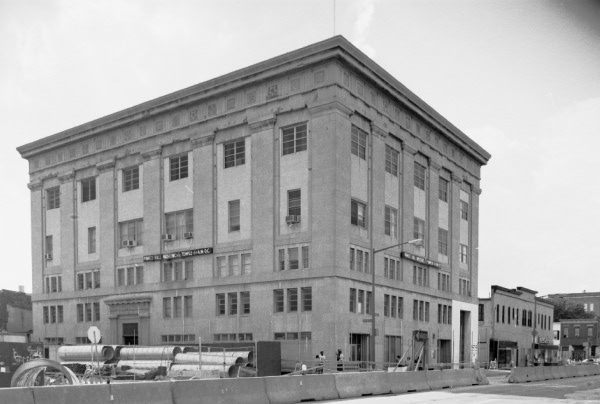
Prince Hall Masonic Temple: This building on U Street NW is home to the nation’s earliest and largest Black fraternity, founded in 1825.
Founded in 1825 by both enslaved people and free Black people, Prince Hall Masonic Temple became the headquarters to the nation’s earliest and largest Black fraternity. When the Prince Hall Masonic…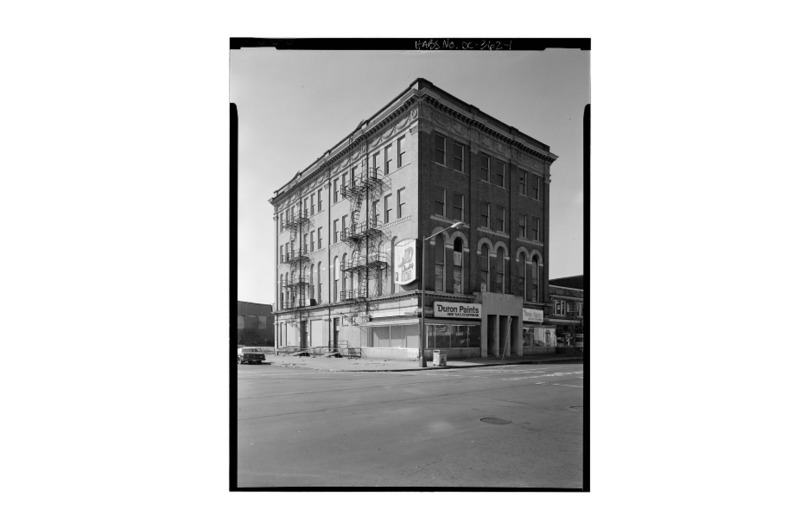
True Reformer Building: This landmark of U Street NW is considered one of the first buildings in the United States to be designed, funded, and built by the Black community.
The United Order of True Reformers served as a bank and insurance company that catered to the Black community, and was the first major commission of prominent Black architect John A. Lankford. The…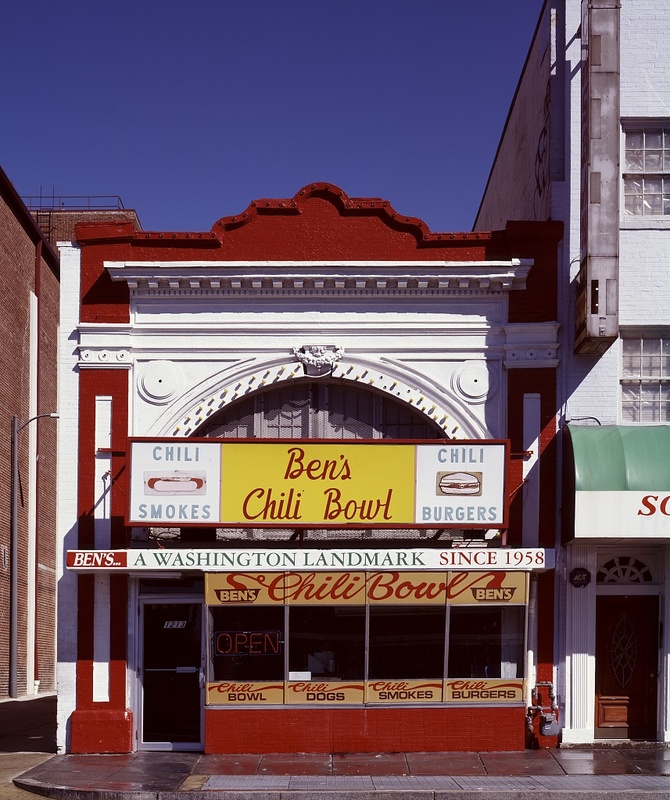
Ben's Chili Bowl: Ben's Chili Bowl is a well-known restaurant in the Greater U Street Historic District and is one of the few businesses in the area that predates 1968.
The Greater U Street Historic District is a Victorian Era neighborhood, developed largely between 1862 and 1900. The area consists of a coherent group of row houses constructed overwhelmingly by…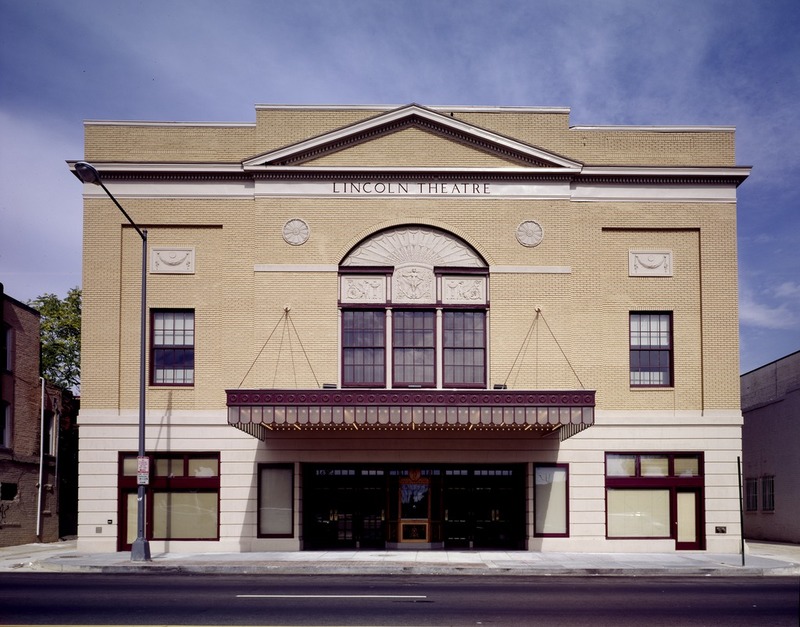
Lincoln Theatre: The Lincoln Theatre served as the center of the U Street Black business community and the heart of Black culture and entertainment.
A major element of the historic U Street commercial corridor, the Lincoln Theatre is a rare early movie theater. The Lincoln was completed in 1921 in the sumptuous style of the grand movie palaces of…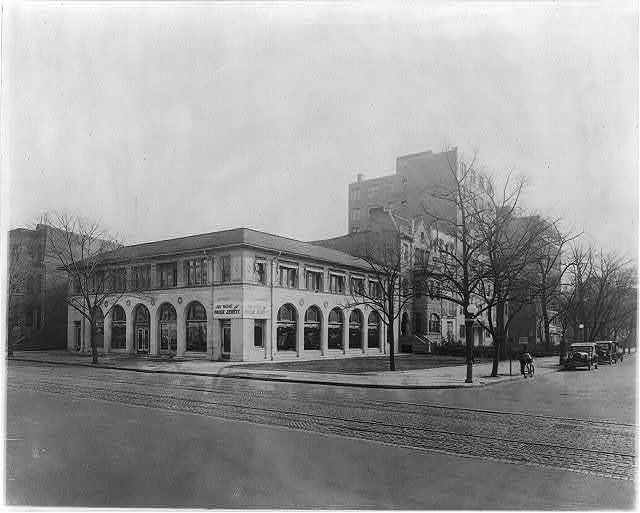
Greater U Street Historic District: The Greater U Street Historic District is a model of a Victorian-era community, developed mainly between 1862 and 1900.
The residential and commercial center of Washington’s African American community between 1900 and 1950, this “city within a city” shows how African Americans responded to intense racial segregation…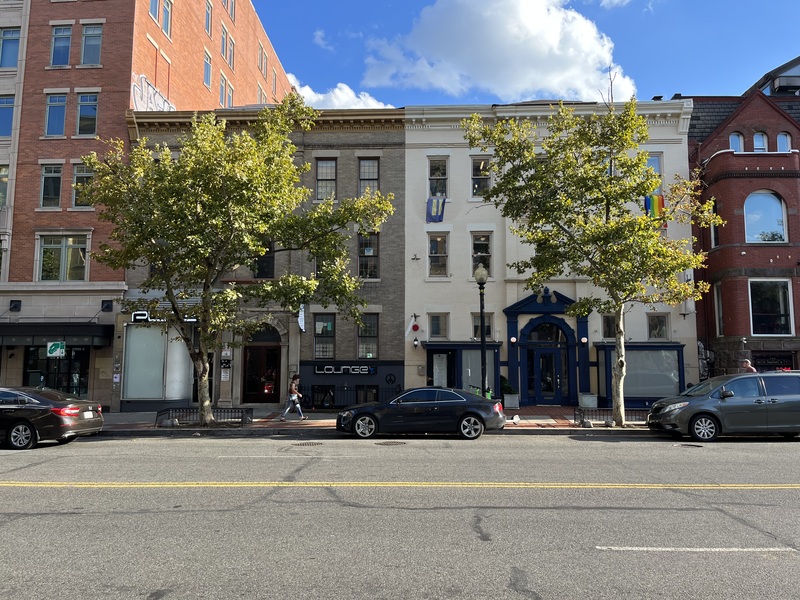
The Oswego and The Exeter: These twin apartment houses are notable among Washington's early multiple-family dwellings.
The Oswego and the Exeter, built respectively in 1900 and 1904, exemplified early low-rise apartment buildings in the city, as well as an early building commission for their architect, B. Stanley…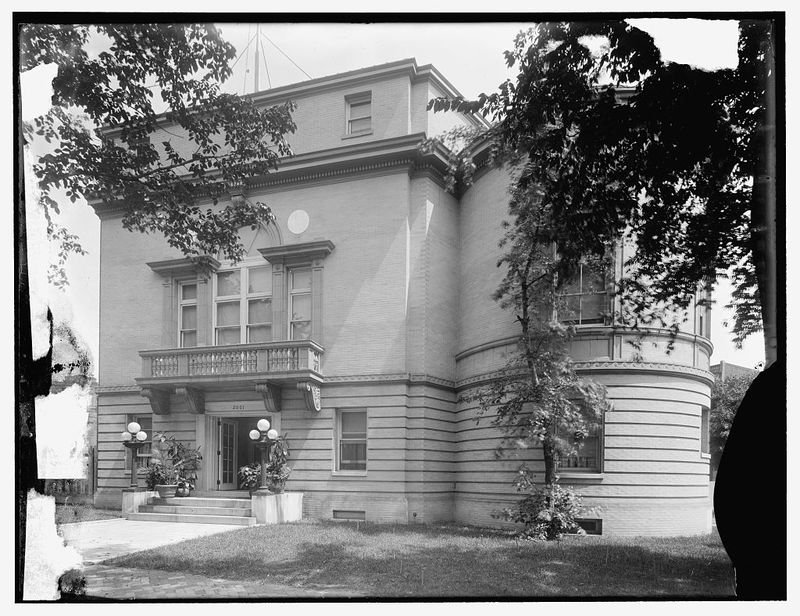
The Congressional Club: This club was built in 1914 for the spouses of high-ranking government figures.
The Congressional Club is a distinctive Beaux-Arts, Classical Revival style building with a prominent domed rotunda at the corner of 16th Street, U Street, and New Hampshire Avenue NW. Designed by…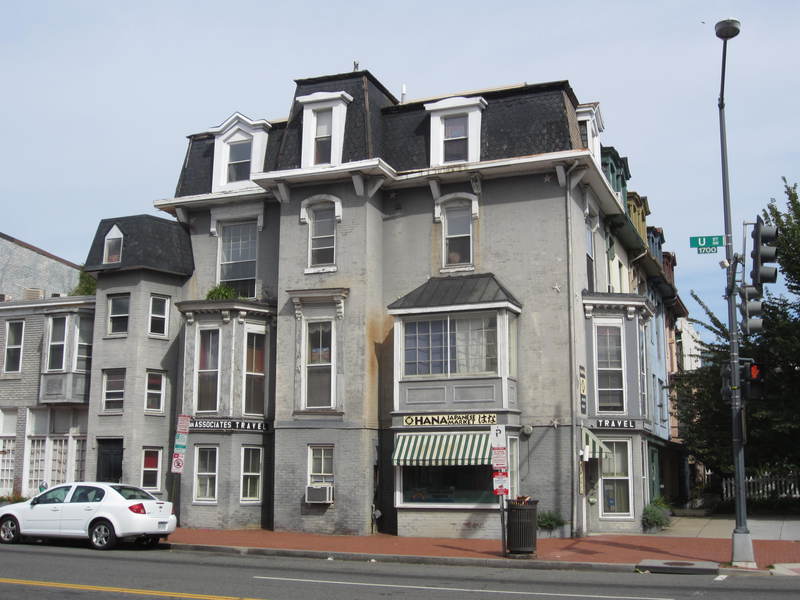
Strivers’ Section Historic District: This historic district is notable for its ties to DC's African American community, especially as the home of the city's early Black middle class.
Strivers' Section is a predominantly residential area with longstanding associations with leading individuals and institutions in Washington's African American community. It is characterized by late…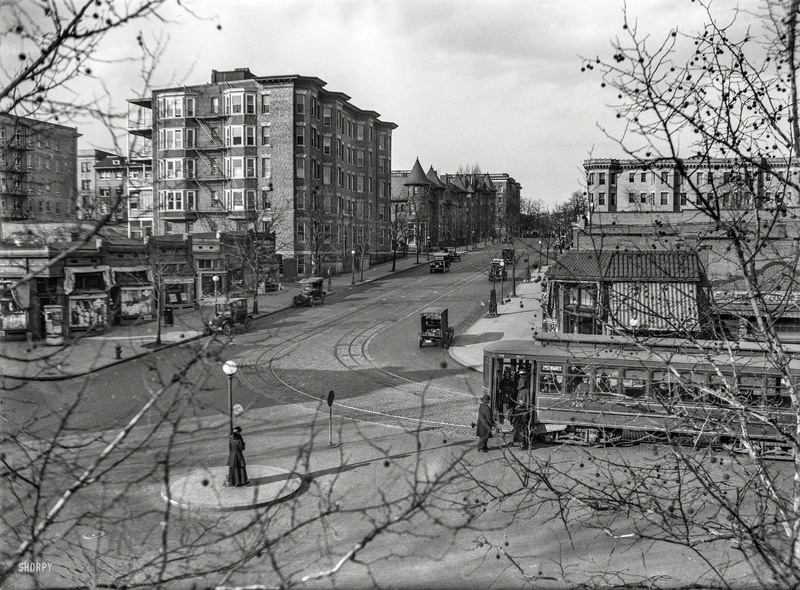
Washington Heights Historic District: Over its history, this architecturally eclectic neighborhood has been the home of many diverse communities.
The Washington Heights Historic District contains one of the most eclectic, yet cohesive collections of historic buildings in the Adams Morgan area. Platted in 1888, the neighborhood features intact…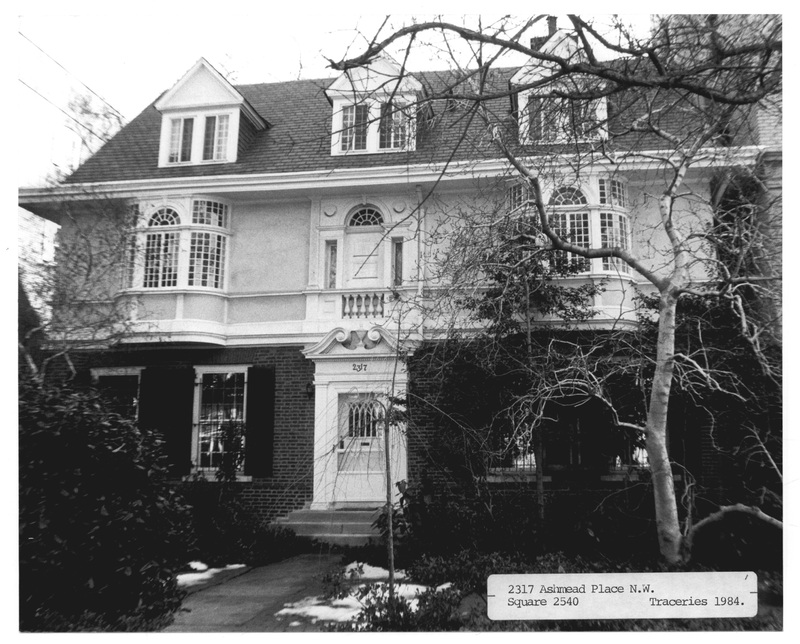
Kalorama Triangle Historic District: Kalorama Triangle represents the ambitions and ideals of DC's early-20th century middle class.
The development of the Kalorama Triangle neighborhood illustrates the transition from a rural to an urban environment that marked Washington's growth into a 20th century city. Kalorama Triangle…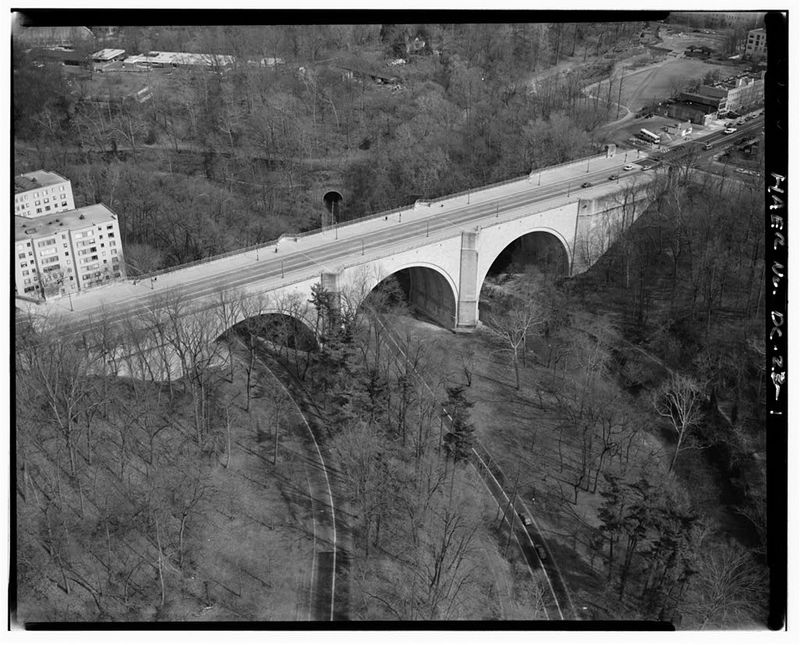
Duke Ellington Bridge (Calvert Street Bridge): Built in the 1930s to accommodate streetcars, this bridge was renamed for jazz musician Duke Ellington after his death in 1974.
Built in 1935, this bridge replaced the 1891 iron trestle bridge that had been constructed in the same location. The Commission of Fine Arts considered bridge designs for this site for years before…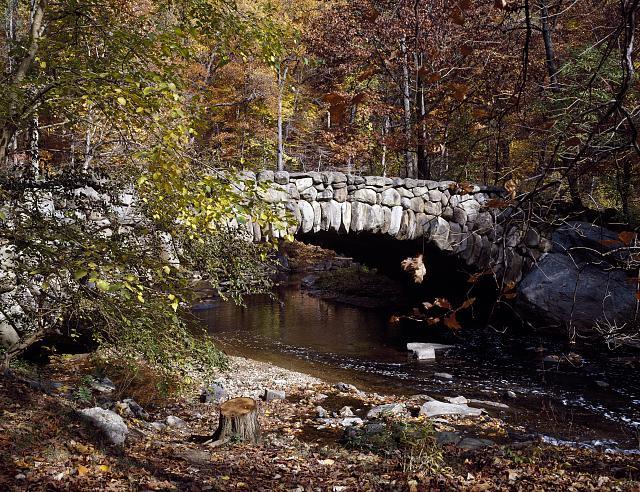
Rock Creek Park Historic District: This natural reserve tucked inside the District of Columbia is an urban refuge for wildlife and a recreational asset for the city.
Located in the Northwest quadrant of Washington D.C., the 1,754.62-acre property of Rock Creek Park Historic District is roughly bounded by 16th Street on the east, Oregon Avenue and Branch Road on…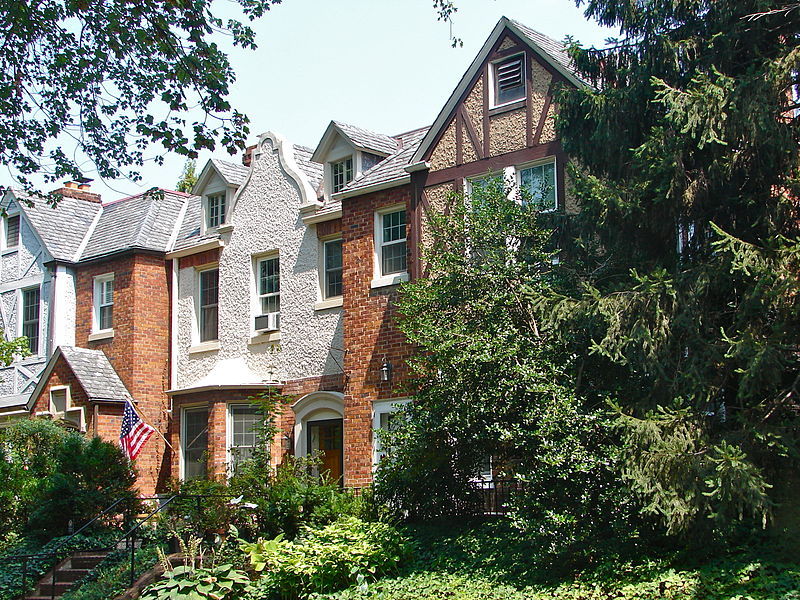
Woodley Park Historic District: Encompasses roughly the area bounded by Rock Creek Park to the east, Calvert Street and Woodley Road to the south, 29th Street to the west, and Cathedral Avenue to the north.
Platted in the mid-1870s, Woodley Park was originally conceived as a residential suburb which its promoters described as the finest country seats ever offered for sale near the urban center, a mere 20…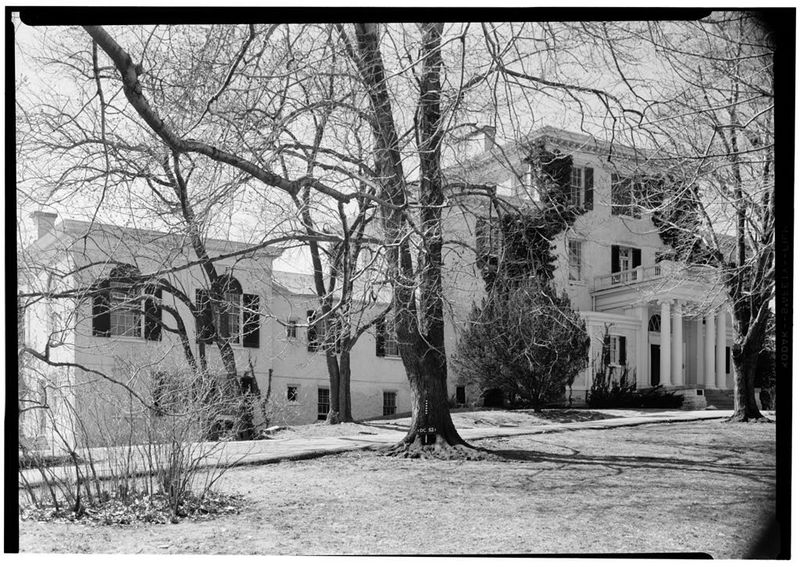
Woodley Mansion (Maret School): The Federal-style Woodley Mansion currently hosts the Maret School, but its residents since 1801 have included presidents and statesmen.
Built in 1801 by Philip Barton Key, the Federal-style Woodley Mansion is notable for its many brushes with figures instrumental in American history. Key, himself the uncle of "Star-Spangled Banner"…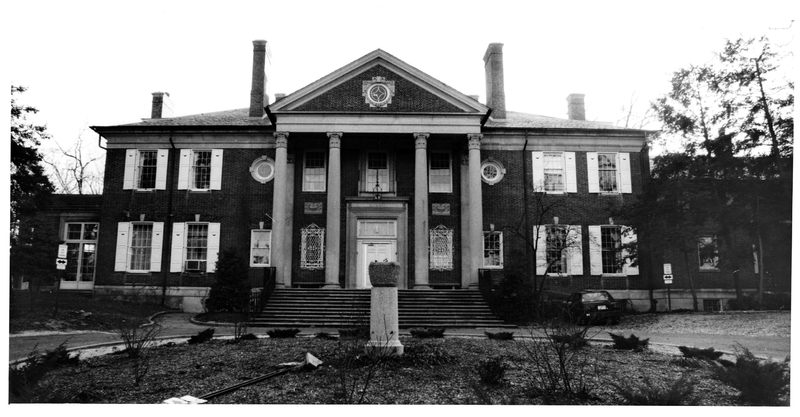
Tregaron (The Causeway): This Colonial Revival style estate is located on a landscaped, hilltop site above the Klingle Valley.
Tregaron (The Causeway), an estate designed in 1912 by Charles Adams Platt, is notable for its Colonial Revival design and landscaped grounds, as well as its former residents. Joseph Edward Davies and…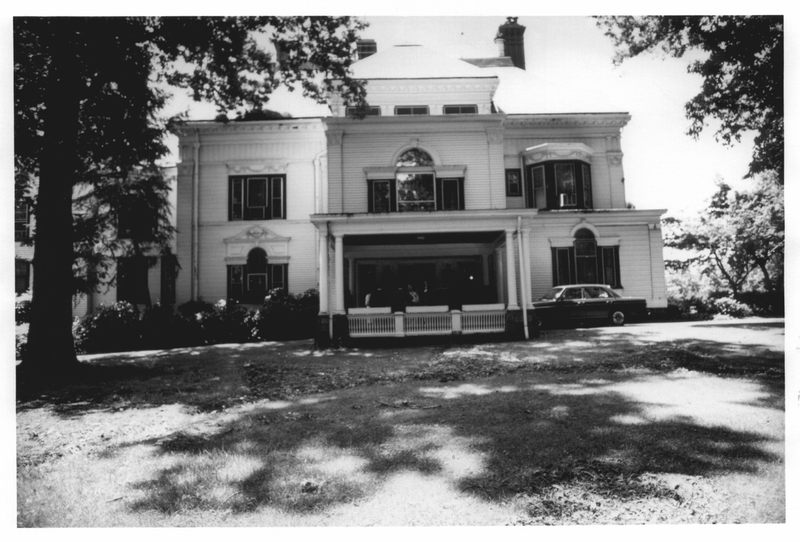
Twin Oaks: The Twin Oaks is an 18.1 acre-estate located in the Cleveland Park neighborhood.
Twin Oaks, designed in 1888 by Francis Allen, is one of the earliest extant examples of Georgian Revival architecture in this country, and is an excellent and notable example of this style. It is is…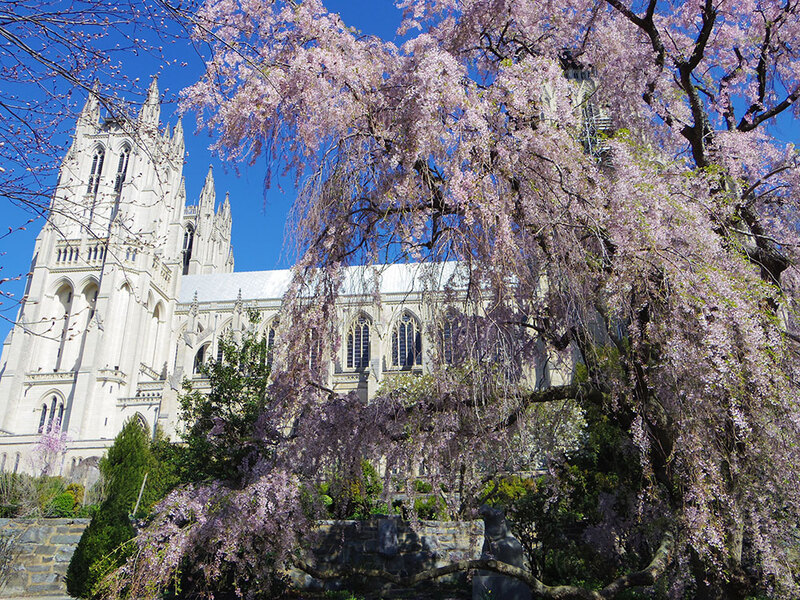
Washington National Cathedral and Close Historic District: The enclosed grounds of Washington Cathedral hold landscaped gardens and prominent educational institutions.
The Washington National Cathedral has been a landmark of religious significance for over a century, and its surrounding structures date back to the early twentieth century. The Cathedral Close (an…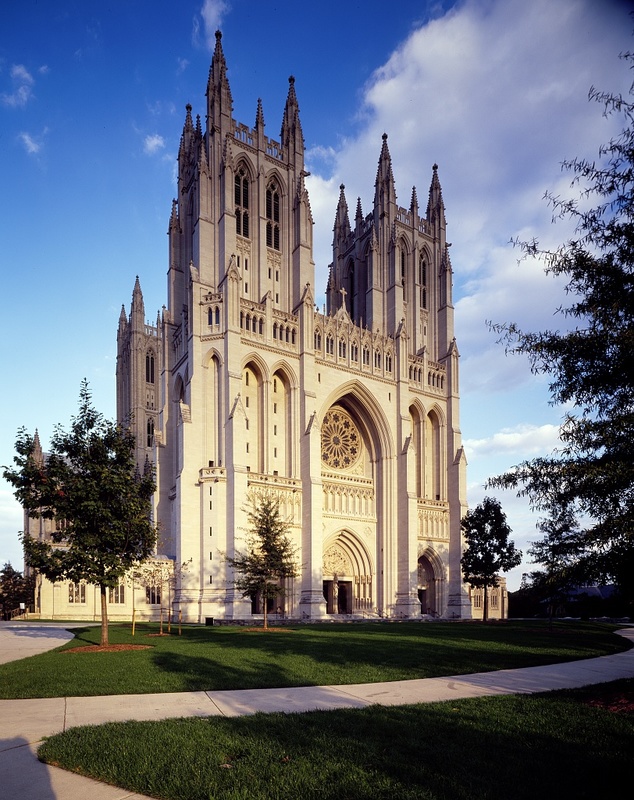
Washington National Cathedral: The Washington National Cathedral is a significant religious site in DC.
A Protestant Episcopal church, the Washington National Cathedral has a distinct ecumenical character, as it functions as the national church called for in the 1792 Plan of the Federal City.Beginning…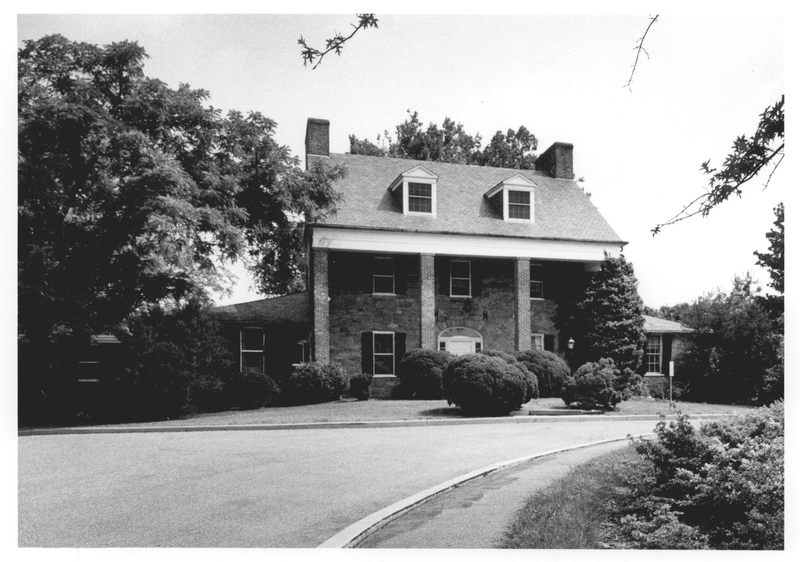
The Highlands (Sidwell Friends School): This Georgian style country house, now part of Sidwell Friends School, has been home to several significant Washingtonians.
Erected between 1817 and 1827 by the first U.S. Register of the Treasury, Joseph Nourse (1754-1841), The Highlands is a late-Georgian style country house. The Nourse family, who owned and lived in the…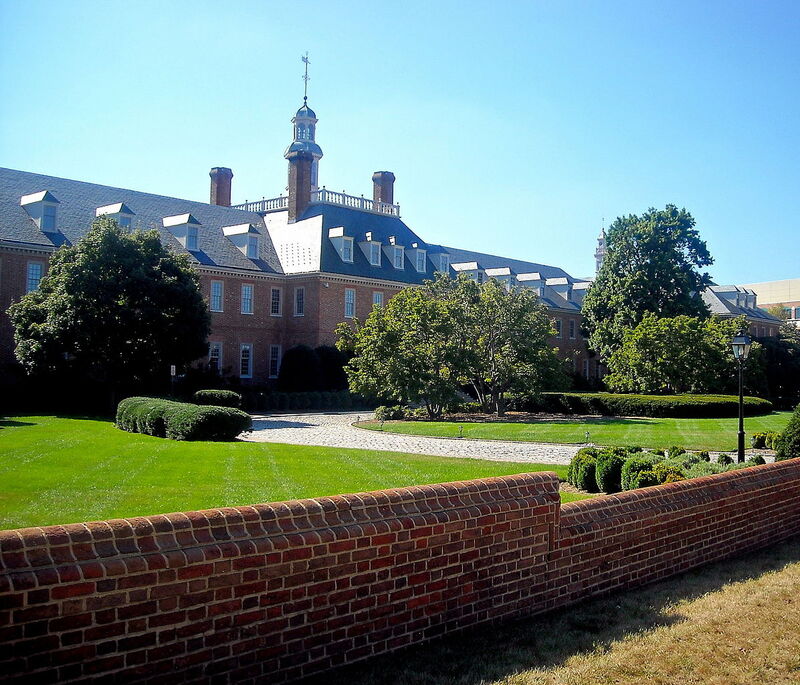
Equitable Life Insurance Company (Fannie Mae Headquarters): This building represents the growth in life insurance following World War II.
The Equitable Life Insurance Company was founded in Washington in 1885. Following World War II, the industry entered an age of major expansion and significant profit as it invested life insurance…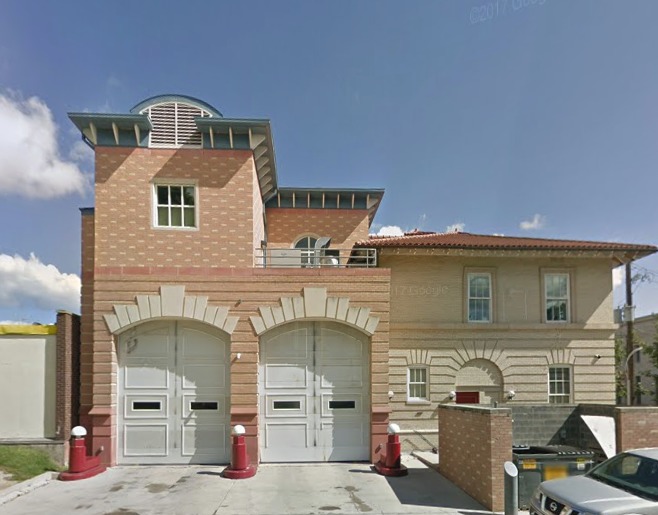
Engine Company No. 20 (Tenleytown Firehouse): As its first major public structure, Engine Company No. 20 ushered in a new era of development for Tenleytown.
Engine Company No. 20 was the first major public structure built in Tenleytown in 1900. At the time, Tenleytown was at the edge of Washington, DC's development. Soon after, the nearby residential…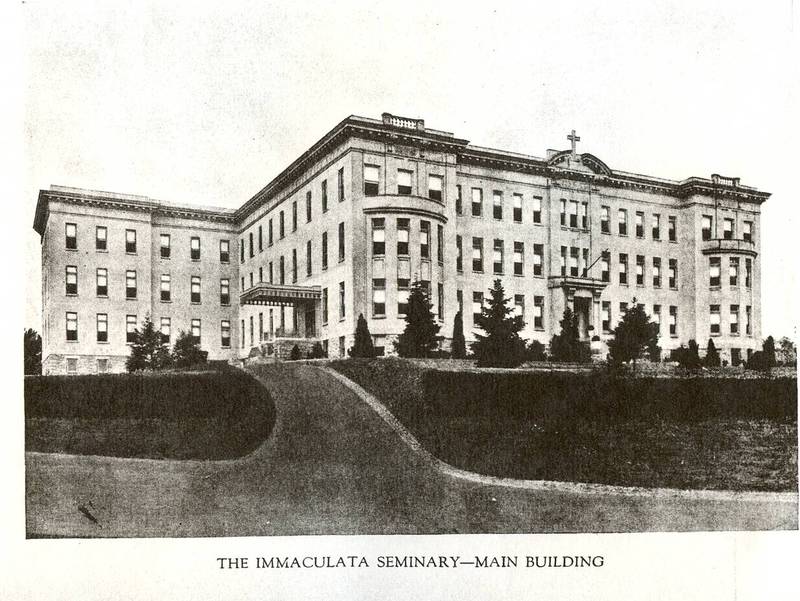
Immaculata Seminary Historic District: Upon its construction in 1904, this school for girls became a major landmark in an increasingly busy Tenleytown.
In the early 20th century, the Sisters of Providence of St. Mary of the Woods, a Catholic order, purchased the property to establish the Immaculata Seminary school for girls, and constructed an…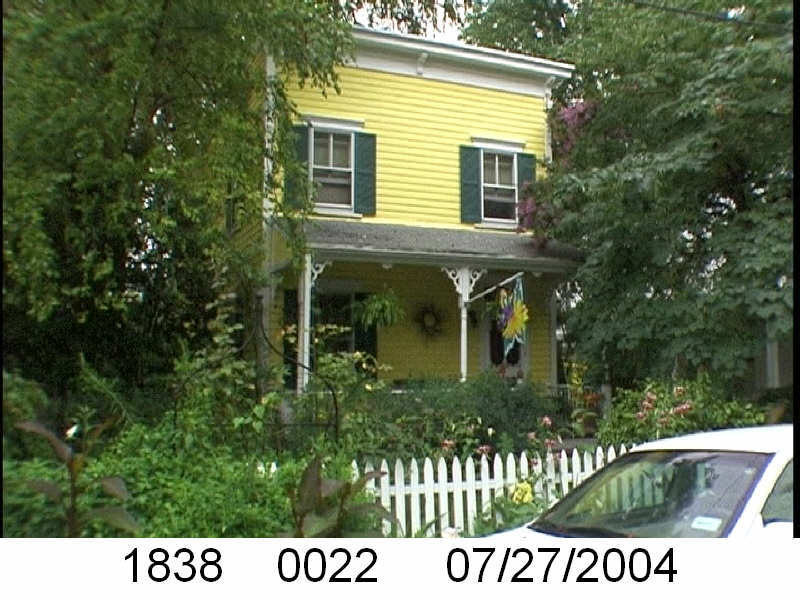
Grant Road Historic District: The Grant Road Historic District encompasses a distinctive remnant of the settlement that once stretched out along the country roads crisscrossing Washington County.
The Grant Road Historic District consists of a two-block remnant of a major east-west connector road that historically led from Tenleytown (formerly Tenallytown), on the important Frederick Road…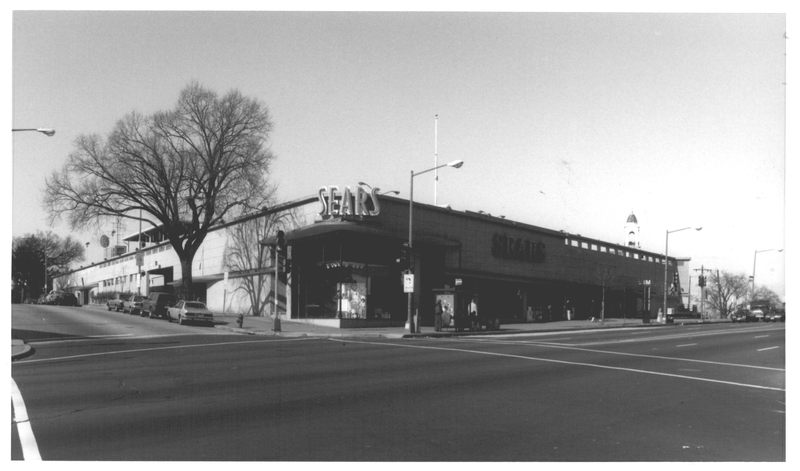
Sears, Roebuck & Company Department Store: This former department store building exemplifies shifting retail needs in suburban DC.
In the 1880s, Richard Sears and Alvah Roebuck began a mail-order business for watches. The mail-order business brought products to people that did not have the financial means or time to travel to…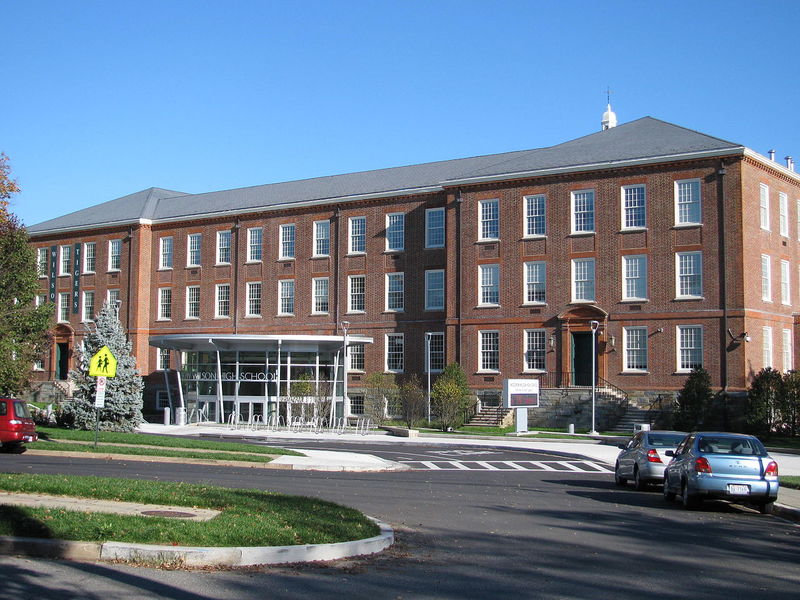
Jackson-Reed High School (Woodrow Wilson High School): This high school in Tenleytown opened in 1935 to help address overcrowding in DC's schools during the Great Depression.
Tenleytown's Jackson-Reed High School (originally called Woodrow Wilson High School) exemplifies the high standard of architectural quality that characterized Washington's public school design and…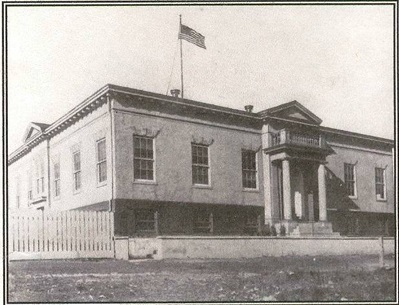
Jesse Reno School: The Jesse Reno School, built in 1903, was a predominantly African American elementary school in the Tenleytown neighborhood.
The Jesse Reno School was built in 1903 for African American children. Designed by municipal architect Snowden Ashford, the school had four rooms on the first floor and four on the basement level. Its…Tour curated by: DC Preservation League