Lingering on the Palate: The Ghosts of the DC Food Scene
Foods that bring familiar comfort change from year to year and decade to decade as residents of the nation’s capital bear witness to the ebb-and-flow of culinary tastes. Lingering on the Palate is a tour that will take you through some of the iconic restaurants that once peppered their way throughout the city’s neighborhoods and history, highlighting some of their lasting, inspiring dishes that can be recalled throughout generations.
From taverns to power lunches, the history of food in DC is one of many iconic establishments. Starting with the famous oysters that debuted at Harvey’s Oyster House in 1858, DC was a culinary hotspot due to its proximity to the Chesapeake Bay - offering everything from diamondback terrapin to canvasback duck. Harvey’s set the tone of the “seafood restaurant scene.” However, the seafood restaurant of the second-half of the 19th century would cater to a more luxurious clientele. The early 20th century saw the rise of the middle class, and a shift in the restaurant sphere which catered to a new audience - women. With the advent of the tea room, like the Woodies Tea Room in Woodward & Lothrop, shoppers had the opportunity for refreshment between purchases.
Prohibition, which started in DC in 1917, three years prior to the rest of the nation, brought yet another wave of new restaurants and led to the rise of the informal meal, or the “power lunch.” Soon enough, Washingtonians – like the broader American public – wanted a quick meal (i.e., fast food), which led to the establishment of businesses like the Little Tavern Shop chain of hamburger stands. Simultaneously, racial segregation and discrimination kept Washington, DC’s “fine restaurants” - the title given to generally the best white establishments - out of reach for African American Washingtonians. This led to a wide range of eateries, such as informal cafeterias and full-service commercial restaurants, that filled this gap, including the Southern Dining Room and Billy Simpson’s House of Seafood.
DC’s food history is not one dimensional, but tells the story of many different cuisines and people, whether it be Yenching Palace, Duke Zeibert’s, or Roma’s. Food, as it is so intrinsic to human nature and culture, is a reason to study the buildings that held these dining establishments - even if they have long since closed. Hence, why they “Linger” on the palate. Restaurants may be remembered for their menus, while their building is long forgotten. Memories are created in the dishes that are consumed, whether it be doro wat from Mamma Desta’s or apple turnovers from Heller’s Bakery. These once popular eateries are only a small glimpse into the hungry history of Washington, DC.
Resources:
DeFerarri, John. Historic Restaurants of Washington D.C. Charleston, SC: American Palate, 2011.
Limpert, Ann. “The Are the 50 Most Influential DC Restaurants of the Last Century .” Washingtonian, September 15, 2020. https://www.washingtonian.com/2020/09/15/these-are-the-50-most-influential-dc-restaurants-of-the-last-century/.
Menus from various restaurants may be found here: http://ciadigitalcollections.culinary.edu/digital/collection/p16940coll1
Sites 12
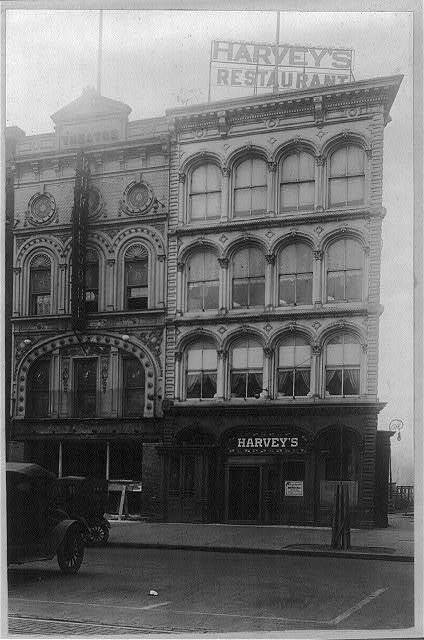
Lingering on the Palate: Harvey’s Restaurant (1858 - 1991): Also known as the “Restaurant of the Presidents,” Harvey's is notable for both its longevity and its place in restaurant history.
Harvey's Oyster House is one of the most famous Washington restaurants of all time. Founded as Harvey’s Ladies’ and Gentlemen’s Oyster Saloon by brothers George Washington Harvey (1840-1909) and…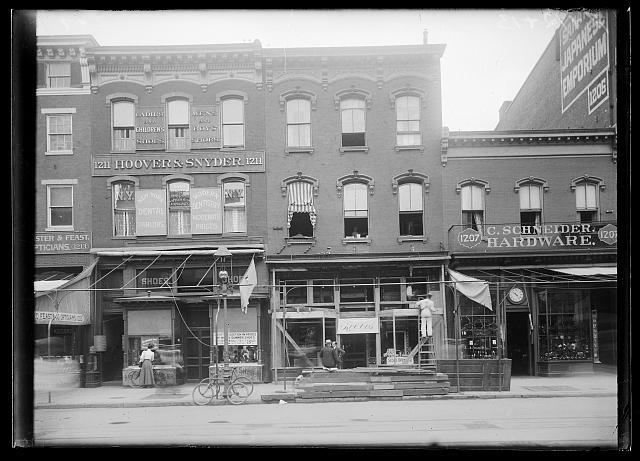
Lingering on the Palate: Reeve’s Bakery (1891 - 2007): This historic bakery saw just over a century of business in the heart of DC, and is a prime example of the early commercial development of food establishments.
Opened in 1891 by Sewell E. Reeves, Reeve’s Bakery began as a grocery store before becoming a tea room and then a soda fountain. Reeve’s drew customers of all kinds through its doors, as it offered…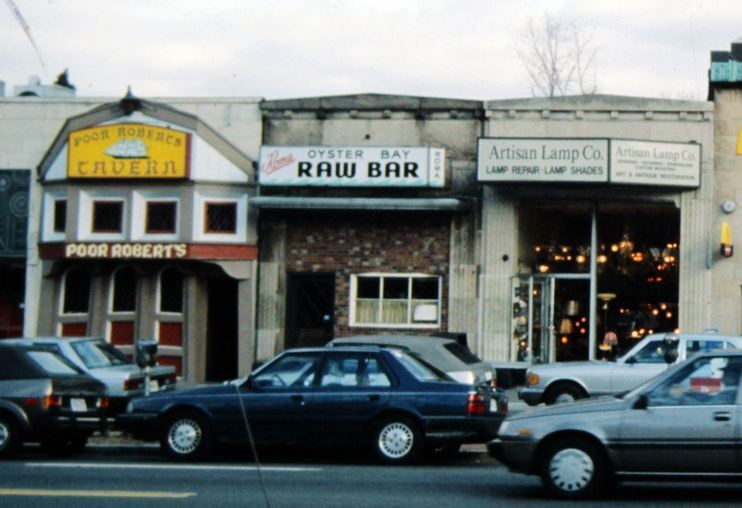
Lingering on the Palate: Roma’s (1920 - 1997): Roma’s was famous for its traditional Italian fare, including spaghetti and meatballs. The restaurant itself always drew a crowd, and patrons could even stomp on grapes in a large vat!
The early twentieth century brought on an influx of Italian immigrants who sought to recreate the taste of home in a new country. One of the earliest Italian restaurants to grace Washington, DC, was…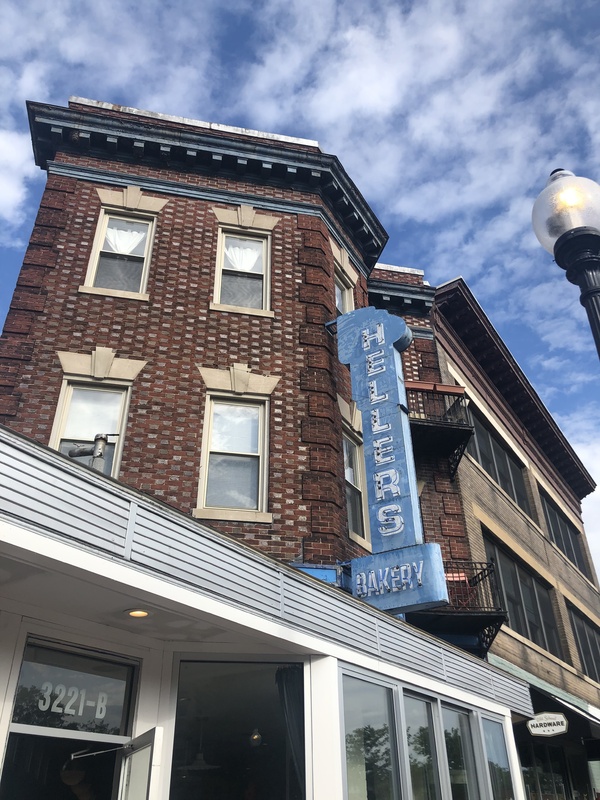
Lingering on the Palate: Heller’s Bakery (1928 - 2014): Opened by German immigrants, Heller’s Bakery was a Mount Pleasant institution, operating from the 1920s into the 2010s.
A “Pillar of Pastry,” as deemed by Paul Schwartzman of The Washington Post, Heller’s Bakery filled the air of the Mount Pleasant neighborhood with the sweet smell of doughnuts and apple turnovers for…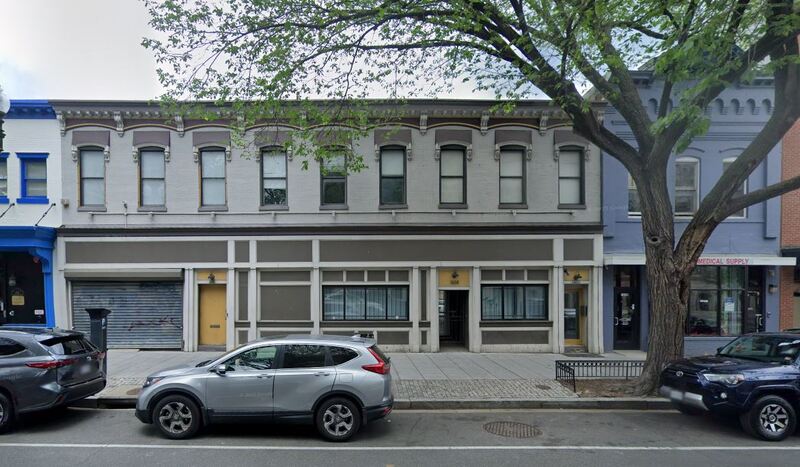
Lingering on the Palate: Southern Dining Room (1938 - 1980s): Hettie Gross, who was given the title “Soul Food Queen,” was the artist behind the soul food at the Southern Dining Room.
In the age of racial segregation and discrimination that kept Washington, DC’s “fine restaurants” out of reach for African American Washingtonians, a wide range of eateries, such as informal…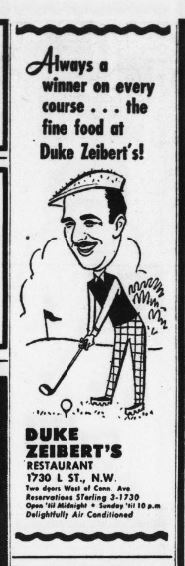
Lingering on the Palate: Duke Zeibert’s (1950 - 1994): With a menu ranging from trademark half-sour pickles to crab cakes, potato pancakes, and brisket, this DC establishment became best known for its stardom and fame.
A pinnacle of the power-dining culture of DC, Duke Zeibert’s opened in 1950 on L Street NW near Farragut Square, by David “Duke” Zeibert (1910 - 1997). Duke first gained a loyal following while…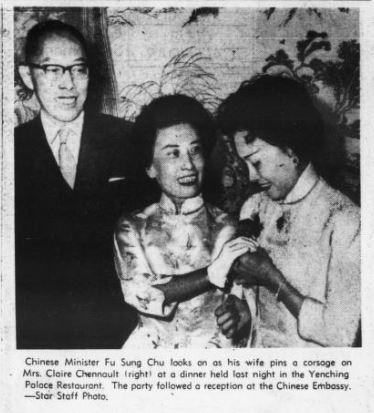
Lingering on the Palate: Yenching Palace (1955 - 2007): Frequented by celebrities and politicians, Yenching Palace played a pivotal role in the Cuban Missile Crisis, as the meeting place between the U.S. and U.S.S.R.
This restaurant opened as Peking Palace in 1955 and was located in the former space of Seafare, a restaurant which had operated in Cleveland Park since 1945. The original founder, S. Van Lung (1936-…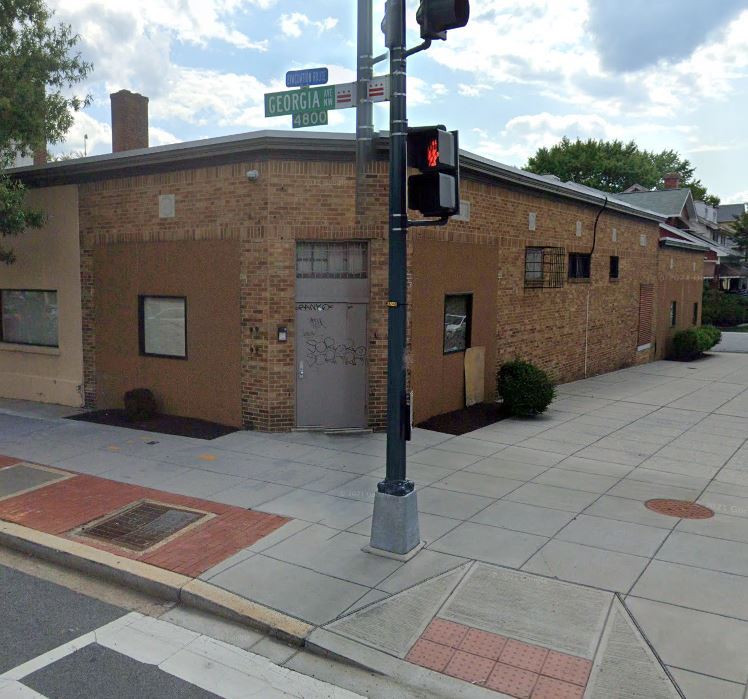
Lingering on the Palate: Mamma Desta’s (1978 - 1983): Desta Bairu’s Ethiopian cuisine offered the comforts of home and was the first Ethiopian restaurant in DC.
Opened in 1978, Mamma Desta’s would be the first and most well known Ethiopian restaurant in Washington, DC. A 1982 review from The Washington Post stated that the restaurant was a “simple vision of…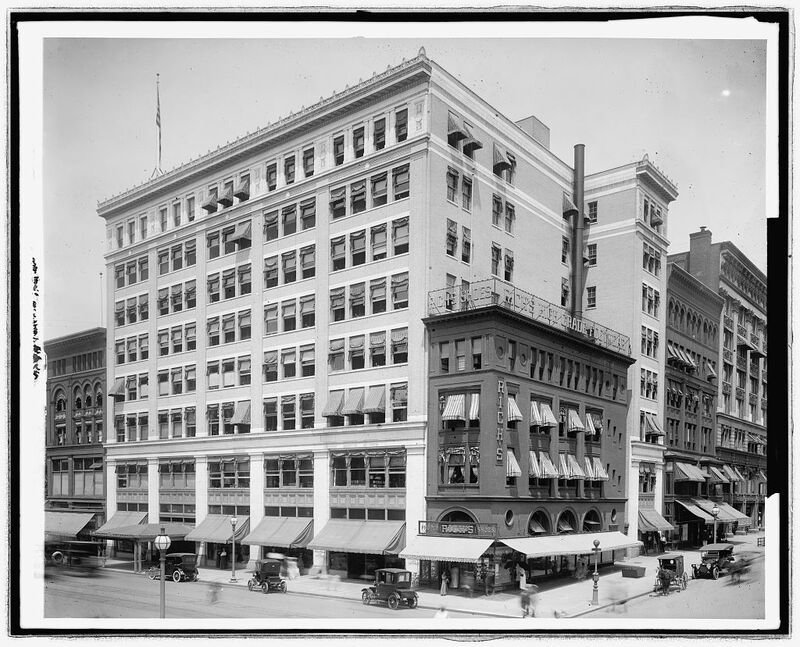
Woodward & Lothrop: This department store was one of DC's most popular for decades.
In 1870, Samuel Walter Woodward and Alvin Mason Lothrop met and began a decades-long partnership that resulted in one of the country’s first and leading department store ventures. After working…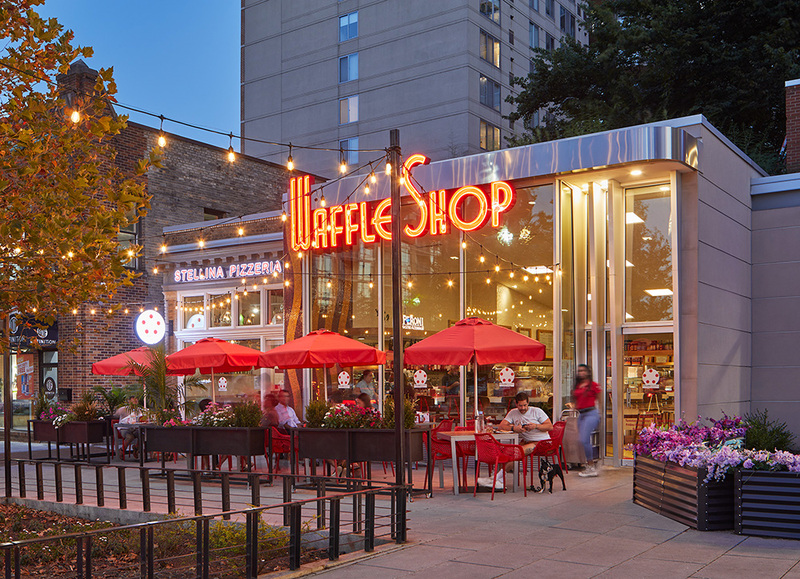
Waffle Shop (and Interior): This small restaurant's exterior includes interesting features typical of diners of the era.
Built in 1950 on 10th Street NW across from Ford's Theatre, this diminutive restaurant is virtually the last remaining example of the stylish mid-20th century commercial storefronts that were once…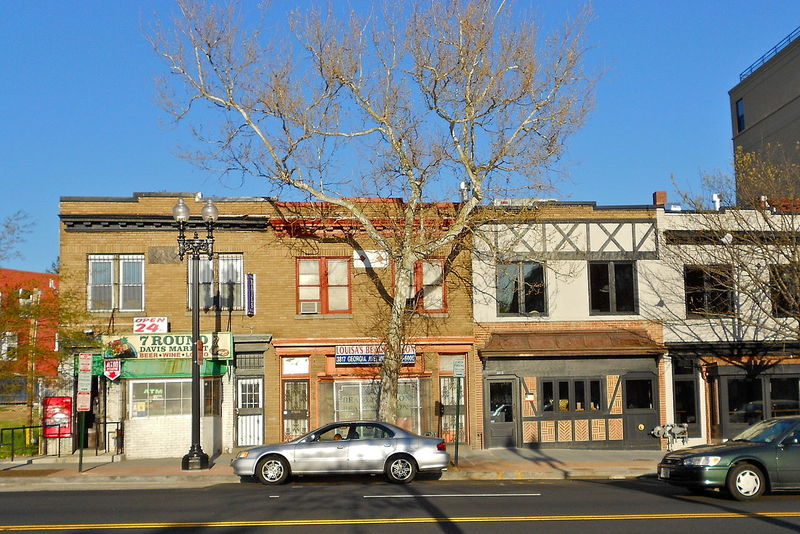
Billy Simpson's House of Seafood and Steaks: Billy Simpson's House of Seafood and Steaks served an important role in DC's mid-20th-century Black community.
Billy Simpson's House of Seafood and Steaks and its proprietor played a central role in the social and political culture of DC's African American community during the period of transition from…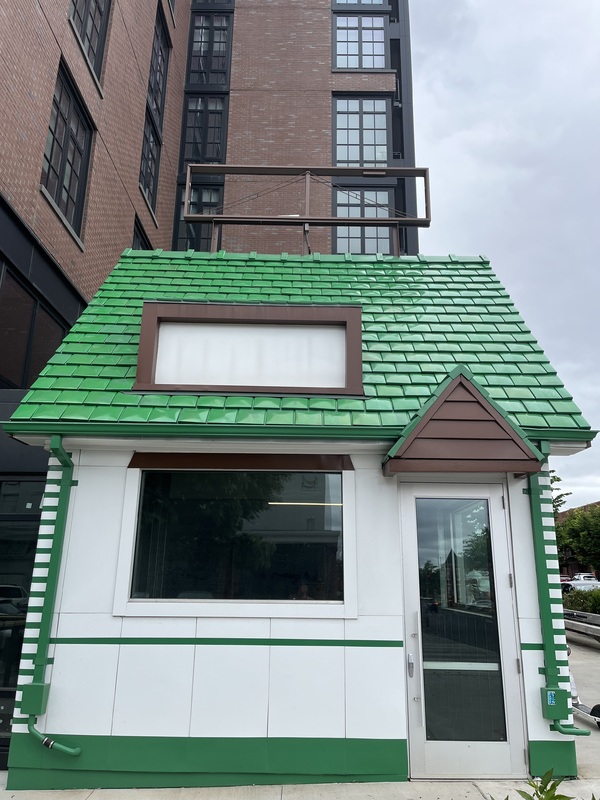
Little Tavern Shop No. 27: With its recognizable facade, Little Tavern Shop No. 27 is a reminder of Washington’s fast food history.
Built in 1963, Little Tavern Shop No. 27 prompts nostalgia for Washingtonians through its architecture. While the shop no longer serves the public in the fast food realm, it offers a fond memory to…Tour curated by: Isabelle Houseman and DC Preservation League